


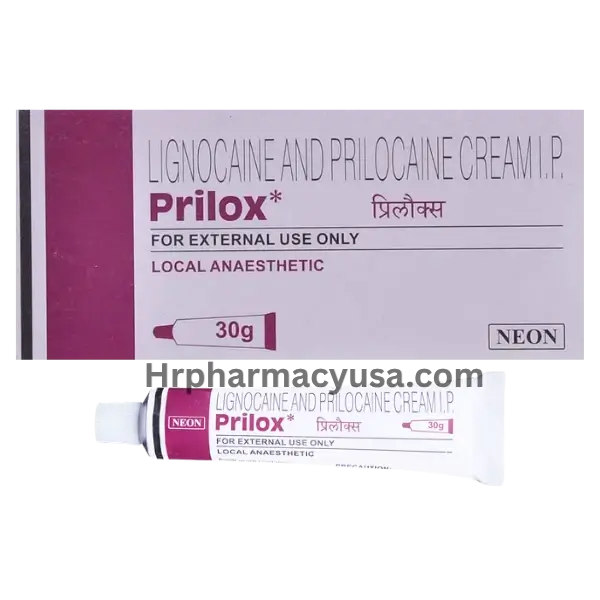
Prilox Cream (Prilocaine/Lidocaine)
Price range: $24.98 through $119.88
Prilox Cream (Prilocaine/Lidocaine) is used to temporarily reduce skin sensation. It blends two well-known local anesthetics that temporarily block pain signals from nerves near the skin's surface. People usually seek this cream for greater comfort during minor skin procedures or to manage sensitivity.
| Active Ingredient: | Prilocaine/Lidocaine |
|---|---|
| Indication: | local anesthesia |
| Manufacturer: | Neon Laboratories |
| Packaging: | 30g or 5g in 1 tube |
| Strength: | 30g / 5g |
| Delivery Time: | 6 To 15 days |
In Stock
Prilox Cream 30g (Prilocaine/Lidocaine)
| Variant | Price | Units | Quantity | Add to Cart |
|---|---|---|---|---|
| 3 Cream/s | $24.98 | $8.33 / Tube | ||
| 6 Cream/s | $66.93 | $11.15 / Tube | ||
| 12 Cream/s | $119.88 | $9.99 / Tube |
Prilox Cream 5g (Prilocaine/Lidocaine)
| Variant | Price | Units | Quantity | Add to Cart |
|---|---|---|---|---|
| 3 Cream/s | $14.09 | $4.69 / Tube | ||
| 6 Cream/s | $25.16 | $4.19 / Tube | ||
| 12 Cream/s | $47.30 | $3.94 / Tube |
Buy Prilox Cream (Prilocaine/Lidocaine)
Prilox Cream (Prilocaine/Lidocaine) is a topical numbing cream that combines two local anesthetics to temporarily reduce skin sensation. It is often used before minor skin procedures or to help with sensitivity concerns. Apply a thin layer only to intact skin, wait for numbing, then remove as directed. Avoid the eyes, mouth, and broken skin. Use the smallest amount necessary to achieve the effect.What Prilox Cream is commonly used for
Prilox Cream (Prilocaine/Lidocaine) is often used to numb intact skin before things like:
- Needle-related procedures (for example, certain injections or blood draws)
- Minor dermatology procedures (as advised by a clinician)
- Cosmetic treatments where numbing is commonly requested
How fast it works and how long it lasts
Prilox Cream (Prilocaine/Lidocaine) typically needs a bit of time to work on the skin. Many topical anesthetic creams start to numb within about 20 to 60 minutes, depending on how thickly it’s applied, the area of the body, and whether it is covered. The numbing effect can last for a while after removal, often around 1 to 2 hours, sometimes longer on certain areas. Results vary person to person.How to apply it (practical, safer use)
- Apply only to clean, dry, intact skin.
- Use a thin layer and gently rub it in only if the directions say so. Some creams work better if you just leave them on and don't rub them in very much.
- Leave it on for the recommended time, then remove it completely.
- Wash your hands right after applying (unless your hands are the area being treated).
- Do not put on extra cream repeatedly unless told to do so. Using more of a numbing cream does not always help.
If you are using it for sensitivity control, it’s especially important to remove the cream fully before close skin contact. That helps prevent unintentional numbing for a partner and lowers the chance of irritation.
Where not to use it
Avoid using Prilox Cream (Prilocaine/Lidocaine) on:
- Broken, irritated, or inflamed skin unless a clinician specifically instructs it
- Eyes, inside the mouth, or deep inside the nose
- Large body areas at once (raises the chance of side effects)
Side Effects of Prilox Cream
Mild effects around the application site can happen, including:
- Temporary redness, pale/white skin, or mild swelling
- Tingling or a burning feeling that usually settles
- Itching or mild rash
More serious reactions are uncommon but need urgent medical help, such as:
- Signs of an allergic reaction (hives, facial swelling, trouble breathing)
- Dizziness, confusion, unusual drowsiness
- Blue or gray lips/skin, shortness of breath, fast heart rate (this can be a sign of a rare blood-oxygen problem and should be treated as urgent)
Who should talk to a clinician first?
Check with a clinician before using Prilox Cream (Prilocaine/Lidocaine) if you:
- Have a history of allergy to local anesthetics (especially amide-type anesthetics)
- Have big heart rhythm problems, serious liver disease, or some blood problems
- Are you treating a child (kids are more sensitive to dosing)
- Are you pregnant or breastfeeding and want to use it beyond a small, short application
Available strengths
Prilox Cream (Prilocaine/Lidocaine) is most commonly found as a combination cream where each gram contains:
- Lidocaine 2.5% + Prilocaine 2.5% (often listed as 25 mg/g + 25 mg/g)
Depending on what’s stocked, you may also see similar combination numbing creams in other strengths, such as:
Availability can vary, so it helps to confirm the exact percentage on the box or tube.
Substitutes and alternatives in the market
If Prilox Cream (Prilocaine/Lidocaine) is not available or you are comparing options, common substitutes include:
- EMLA Cream (lidocaine 2.5% + prilocaine 2.5%)
- Lidocaine Ointment (Generic)
- Generic lidocaine-prilocaine cream (same active ingredients, same percentages)
- Xylocaine Ointment (Lidocaine)
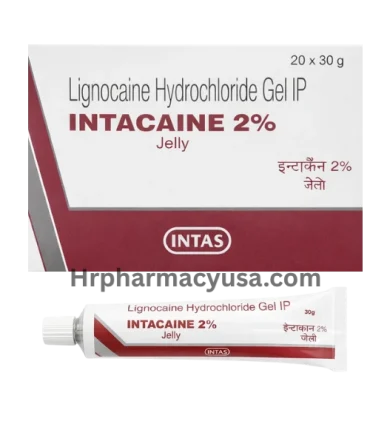
- Intacaine 2% Gel 30g (Lidocaine)
- Lidocaine 4% creams (often used for skin numbing, not the same combination)
- Lidocaine 5% topical products (cream or ointment forms, depending on brand and indication)
- For sensitivity concerns, some people compare against lidocaine sprays or other desensitizing products, though they can differ a lot in strength, base, and how easily they transfer
If you are using it for a medical procedure or a specific condition, matching the ingredient strength and directions matters more than the brand name.
FAQs
1) Can Prilox Cream (Prilocaine/Lidocaine) be used with condoms?
Possibly, but it depends on the product base and whether any residue remains. The safer approach is to fully remove the cream and wash the area before using a condom. If you are unsure, check the packaging details or ask a pharmacist.2) Will Prilox Cream (Prilocaine/Lidocaine) show up on a drug test?
Typical workplace drug screens usually do not look for lidocaine or prilocaine. False positives are rare, but no test is risk-free. If you are being tested for medical or legal reasons, disclose all medications used.3) Can I store Prilox Cream (Prilocaine/Lidocaine) in a hot car or take it while traveling?
Try not to leave it in direct sunlight or at high heat. Room-temperature storage is usually recommended for creams like this. For travel, keep it in its original packaging and make sure the cap is tightly closed to prevent leaks.4) How long is Prilox Cream (Prilocaine/Lidocaine) good for after opening?
Use the printed expiration date as your main guide. If the cream changes color, texture, or smell, or if the tube looks contaminated, it’s better to replace it even if it’s not expired.5) Can I use Prilox Cream (Prilocaine/Lidocaine) if I also take Viagra or Cialis?
There is no well-known direct interaction for most people, since Prilox is a topical product. Still, sexual performance concerns can have multiple causes, so it’s smart to check with a clinician if you are combining treatments or have heart/blood pressure conditions.| size | 12 Cream/s, 3 Cream/s, 6 Cream/s |
|---|

Reviews
There are no reviews yet.