


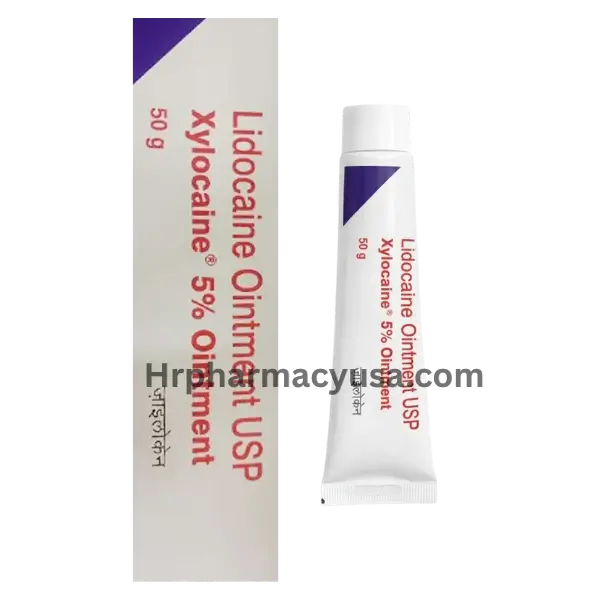
Xylocaine Ointment (Lidocaine)
Price range: $7.99 through $39.96
Xylocaine Ointment (Lidocaine) is a topical numbing medicine that relieves pain, burning, and itching by temporarily blocking nerve signals in the skin. It’s often used for minor cuts, scrapes, burns, insect bites, and irritated skin, and may be used for hemorrhoid discomfort when advised. Apply a thin layer as directed.
| Active Ingredient: | Lidocaine |
|---|---|
| Indication: | Local Anaesthesia |
| Manufacturer: | German Remedies Private Ltd |
| Packaging: | 30 gm in 1 pack |
| Strength: | 5% |
In Stock
About Xylocaine Ointment (Lidocaine)
Xylocaine Ointment (Lidocaine) is a topical anesthetic made to numb the surface of the skin and reduce discomfort where it’s applied. If you have a sore, irritated spot that stings, burns, or itches, this is the kind of medication many clinicians reach for because it works locally, right where the problem is. The goal is simple: calmer skin and less pain-related distraction so you can get through the day (or a procedure) more comfortably.How it works
Lidocaine blocks sodium channels in nerve endings. That’s how nerves send pain and irritation messages to the brain. When those signals are reduced, the area feels numb or less sensitive for a time. Relief may begin within minutes, though timing can vary by area and the severity of the inflammation.
Common uses people ask about
Xylocaine Ointment (Lidocaine) is commonly used to temporarily relieve discomfort from:
- Minor cuts and scrapes
- Minor burns, including mild sunburn
- Insect bites and mild skin irritation
- Itching and burning on intact skin
- Localized irritation in sensitive external areas (only when your clinician says it’s appropriate)
In some medical settings, lidocaine ointment is also used to reduce discomfort before minor skin procedures. For that kind of use, dosing and timing should be determined by the prescriber.
How to apply it safely
A thin layer is enough. More is not better with lidocaine. The ointment should sit on the skin and numb the surface; heavy use can increase the risk of side effects without added relief.General practical tips:
- Wash your hands before and after use.
- Clean and dry the area gently, then apply a small amount.
- Avoid getting it in the eyes, inside the nose, or deep in the mouth unless specifically instructed.
- Do not apply to large areas of skin or for extended periods unless a clinician specifically instructs you to do so.
- Avoid tight bandaging or heat (such as heating pads) over the treated area, as this can increase absorption.
If symptoms are severe, keep recurring, or are accompanied by spreading redness, pus, fever, or significant swelling, it’s worth getting checked instead of repeatedly numbing the area.
Side effects and when to get help
Mild effects may include temporary redness, irritation, or a tingling sensation at the site of application. Stop using it and seek medical help if you notice signs of an allergy (hives, swelling of the face or throat, trouble breathing). Also, get urgent care if you notice unusual gray or blue coloring of lips/skin, severe dizziness, confusion, or a racing heartbeat. Those symptoms are uncommon, but they matter because excessive local anesthetic absorption can be dangerous.Strengths and other lidocaine options
Xylocaine Ointment (Lidocaine) is most commonly found as:
- Lidocaine 5% ointment (a common prescription strength)
Other lidocaine strengths/forms you may see on the market (not the same ointment, but related options) include:
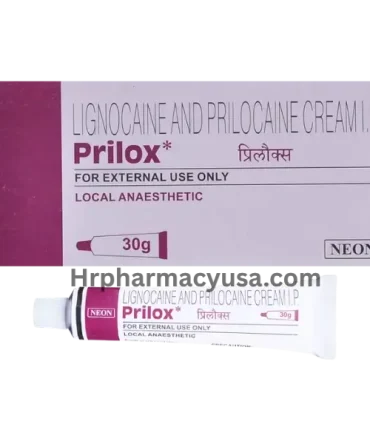
- Lidocaine 2% Gel 30g (Generic)
- Lidocaine 4% topical cream or solution
- Lidocaine 5% topical patch (for certain pain patterns)
The best choice depends on the location, the type of discomfort, and whether you need a longer-lasting surface effect (ointment) versus a different feel or drying time (gel/cream).
Substitutes
If Xylocaine Ointment (Lidocaine) is unavailable, a clinician may recommend an equivalent or alternative, depending on the condition and the area being treated. Common substitutes include:- Generic lidocaine 5% ointment (same active ingredient and strength)
- Lidocaine 4% cream products (different strengths and feels)
- Aspercreme Lidocaine (lidocaine topical, typically 4%)
- Salonpas Lidocaine topical products (often 4% in certain formats)
- RectiCare Lidocaine 5% (commonly used for hemorrhoid-related discomfort)
Because strengths, inactive ingredients, and labeled uses can differ, it’s smart to confirm you’re matching the right product to the right problem, especially for sensitive skin areas.
FAQs
1) Can I use Xylocaine Ointment (Lidocaine) during pregnancy or while breastfeeding?
It depends on the situation and the area being treated. Topical lidocaine is sometimes used when clearly needed, but you should ask a clinician to confirm it’s appropriate for you and to minimize unnecessary exposure.2) Will Xylocaine Ointment (Lidocaine) show up on a drug test?
Standard workplace drug screens typically do not test for lidocaine. If you’re facing a specialized toxicology test, you can disclose prescription or OTC medications you’re using.3) Can I use it before sex to reduce sensitivity?
Some people try topical anesthetics for that, but it can numb both partners and may cause irritation if used incorrectly. It’s better to discuss safer, purpose-made options with a clinician.4) Is it safe to use with condoms or lubricants?
Some ointment bases can weaken latex or alter the behavior of certain products. If you need it in that context, check condom labeling and ask a pharmacist what’s compatible.5) How should I store it, and how long is it good after opening?
Store at room temperature, away from heat and moisture. Use the expiration date on the tube as a guide. If it changes color, smell, or texture, replace it.| size | 1 Ointment, 3 Ointment/s, 6 Ointment/s |
|---|



Reviews
There are no reviews yet.