


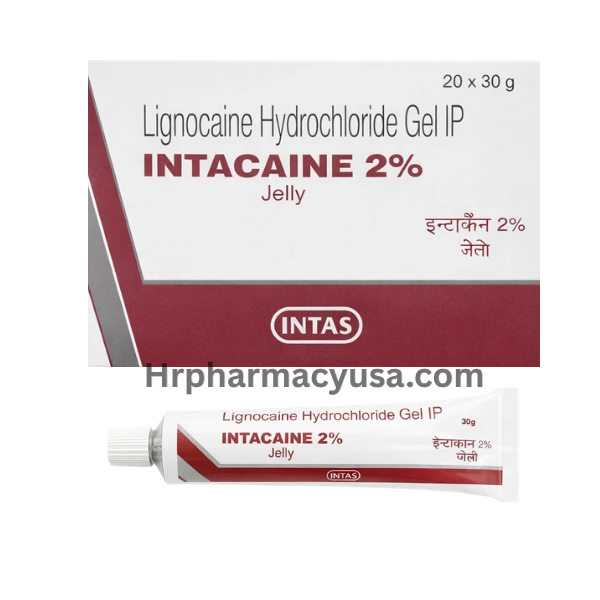
Lidocaine 2% Gel 30g (Generic)
Price range: $7.99 through $28.97
Lidocaine 2% Gel 30 g (Generic) is a topical numbing gel used to temporarily relieve pain, burning, or itching from minor skin irritations. It works by blocking nerve signals at the application site. The smooth gel spreads easily and absorbs quickly. Use only as directed, and avoid applying to large areas or broken skin unless a clinician told you to. Read the label before use.
| Active Ingredient: | Lidocaine |
|---|---|
| Indication: | Local Anaesthesia |
| Manufacturer: | Intas Pharmaceuticals Ltd |
| Packaging: | 30 gm gel in 1 pack |
| Strength: | 30gm |
| Delivery Time: | 6 To 15 days |
In Stock
Info About Lidocaine 2% Gel 30g (Generic)
Lidocaine 2% Gel 30g (Generic) is a topical anesthetic gel made for temporary numbing where it is applied. If you have a sensitive, irritated spot on the skin and need short-term relief, lidocaine is one of the most commonly used ingredients because it targets the nerves that carry pain and itch signals. The gel format is helpful when you want a smooth layer that spreads without needing to rub hard over tender skin.What it is used for
This type of lidocaine gel is typically used for short-term relief of discomfort from minor skin issues, such as the following:- Minor cuts and scrapes
- Minor burns, including mild sunburn
- Insect bites and minor rashes that itch or sting
- Small areas of skin irritation where numbing is appropriate
How it works
Lidocaine reduces sensation by blocking sodium channels in nerve endings. In simple terms, it temporarily prevents the nerve from transmitting "pain" or "itch" signals. It does not treat the underlying cause (like an infection or allergy), so if symptoms keep coming back, it is worth checking what is driving the irritation.How to apply it
General use looks like this, unless your label or prescriber tells you something different:- Wash your hands.
- Clean and dry the area gently.
- Apply a thin layer to the affected spot.
- Let it dry, then wash your hands again, especially if you might touch your eyes or face.
What to avoid
Topical lidocaine should be used carefully. Avoid:- Eyes and eyelids
- Inside the mouth, inside the nose, or deep/open wounds unless specifically directed by a clinician
- Large surface areas of skin, especially under tight coverings
- Applying to severely irritated, blistered, or broken skin unless you have medical guidance
How fast it works and how long it lasts
Lidocaine gel often starts to numb within minutes. How long it lasts can vary based on the area, skin condition, and how much is applied. Many people notice the effect wears off within about an hour, sometimes sooner or longer. If you feel like you need frequent reapplication to get through the day, that is a sign to reassess what is causing the pain or itching.Side Effects of Lidocaine 2% Gel
Mild effects can include the following temporary effects:- Stinging, redness, or irritation where applied
- Dryness or mild peeling
- Hives, swelling, severe rash, or trouble breathing
- Dizziness, faint feeling, confusion, or unusual drowsiness
- Irregular heartbeat
- Symptoms such as a blue or gray color of the lips or skin, severe fatigue, and shortness of breath are rare but require urgent medical attention.
Available strengths and other dosage forms
Lidocaine products come in several strengths and forms. Depending on what your clinician recommends and what is stocked, you may see options such as the following:- Lidocaine gel 2% (like this product)
- Lidocaine gel 4% (often marketed for stronger topical numbing)
- Lidocaine ointment 5%
- Lidocaine topical cream 4% (common OTC strength)
- Lidocaine viscous solution 2% (typically for mouth or throat use under medical direction)
- Lidocaine patch 5% (for localized pain, different use case than gel)
Substitute options
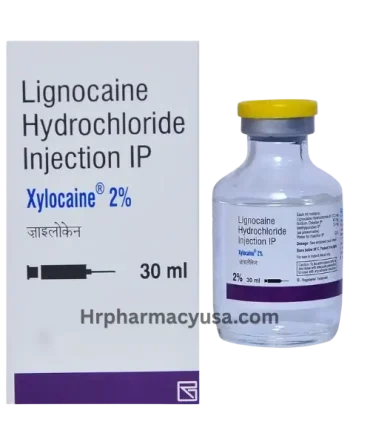
If you cannot find this exact gel, common alternatives include:- Xylocaine 2% Jelly (brand option often used in clinical settings)
- Generic lidocaine 2% jelly/gel (same active ingredient and strength, different manufacturer)
- Lidocaine 4% topical cream (OTC option, different strength and base)
- Lidocaine 5% ointment (thicker, more occlusive feel)
- Lidocaine 5% patch (localized coverage, longer wear time for some people)
- Pramoxine-based anti-itch creams (different numbing ingredient)
- Benzocaine topical products (different anesthetic, used for specific areas and products)
FAQs about Lidocaine 2% Gel
1. Can I use Lidocaine 2% gel before a tattoo, waxing, or laser hair removal?
Maybe, but it depends on the procedure rules and your skin sensitivity. Many studios and clinics have specific policies, and some treatments work better on clean, product-free skin. Ask the provider first and do a small patch test if approved.2. Can I use this gel on my gums or for tooth pain?
This gel is not automatically the right choice for mouth use. Oral tissues absorb medicines differently, and there are specific lidocaine products made for mouth and throat use, which are formulated to ensure safety and effectiveness for treating oral pain. For gum or tooth pain, ask a dentist or pharmacist what is appropriate.3. Will topical lidocaine affect a drug test?
Topical lidocaine is not commonly associated with standard workplace drug screens, but testing panels vary, and some specialized tests may still detect it if they are designed to screen for local anesthetics. If you are being tested for a specific reason, confirm with the testing site.4. Can I apply it with skincare products like retinoids, acids, or acne treatments?
Be careful. Some skincare ingredients increase irritation or absorption. If the skin is already peeling, very dry, or inflamed from active products, it may sting more. When in doubt, separate application times and ask a clinician.5. What if the gel looks watery, separated, or has an unusual smell?
Do not use it if the texture or odor seems off or if the seal is broken. Please verify the expiration date and ensure it is stored as instructed. When quality looks questionable, replace the tube.| size | 12 Jelly, 3 Jelly, 6 Jelly |
|---|


Reviews
There are no reviews yet.