


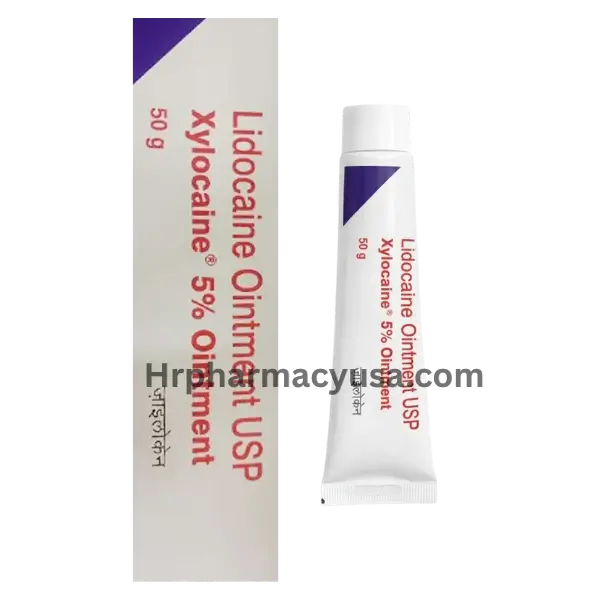
Lidocaine Ointment (Generic)
Price range: $7.99 through $39.96
Lidocaine Ointment (Generic) is a topical numbing medicine used to temporarily relieve pain, burning, itching, and discomfort from skin irritation. It works by blocking nerve signals where you apply it. Common strengths include 5% and 2.5%. Apply a thin layer to intact skin as directed, and avoid eyes, mouth, and broken areas unless a clinician tells you to. Read the label every time first.
| Active Ingredient: | Lidocaine |
|---|---|
| Indication: | Local Anaesthesia |
| Manufacturer: | German Remedies Private Ltd |
| Packaging: | 30 gm in 1 pack |
| Strength: | 5% |
In Stock
About Lidocaine Ointment (Generic)
Lidocaine Ointment (Generic) is a local anesthetic you apply to the skin to numb an area for a short time. People usually reach for it when a spot feels tender, stings, burns, or itches and they want relief that stays where they put it instead of taking a pill. Because it works at the nerve level in the skin, it can help you get through everyday discomfort without feeling “medicated” overall.What Lidocaine Ointment is used for
This ointment is commonly used for temporary relief from:- Minor skin pain and soreness
- Burning or stinging from mild irritation
- Itching from everyday causes (like mild rashes or insect bites)
- Small scrapes or minor cuts after the skin has been cleaned
- Minor burns, including mild kitchen burns (not severe burns)
How it works
Lidocaine helps calm the “alarm signals” coming from irritated nerves near the skin surface. It blocks sodium channels in nerve endings, which reduces the ability of nerves to send pain signals. That is why the area feels numb or less reactive for a period of time after application.How to apply it safely
For most people, the safest approach is simple:- Wash your hands before and after use.
- Clean and dry the area gently.
- Apply a thin layer only where needed. More is not better.
- Avoid getting it in your eyes, nose, or mouth.
- Do not cover with airtight bandages unless a clinician tells you to, since that can increase absorption.
What to avoid
To reduce irritation and safety risks, it is generally best to avoid:- Applying to large areas of skin at once
- Applying on deep puncture wounds, serious burns, or infected skin.
- Using multiple numbing products at the same time (layering different anesthetics can raise exposure)
- Applying right before activities where numbness could cause injury (for example, using it on hands before cooking)
Side effects of Lidocaine Ointment
Many people tolerate topical lidocaine well, but side effects can happen, especially if too much is used:- Mild stinging, redness, or irritation where applied
- Dryness or peeling
- Temporary numbness that feels “too strong”
Patients should consult a clinician before using.
It is smart to check first if you:- Have a history of allergy to lidocaine or other “-caine” anesthetics (some are different, so do not guess).
- Have significant liver disease or certain heart rhythm conditions or are taking antiarrhythmic medicines
- Are pregnant or breastfeeding and plan to use it repeatedly or on larger areas
- Need pain relief for symptoms that keep coming back or are getting worse
Available strengths and forms
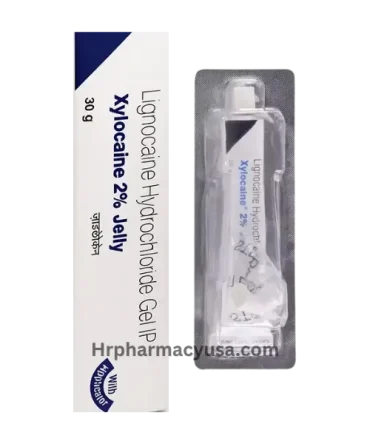
Lidocaine Ointment (Generic) is most commonly found as 5% lidocaine ointment. Depending on the manufacturer and supply, 2.5% lidocaine ointment may also be available. Lidocaine also comes in other topical forms that people sometimes compare when shopping, such as 4% lidocaine creams, lidocaine gels, sprays, and 5% lidocaine patches. The best choice often comes down to where you are using it, how long you need relief, and how sensitive your skin is.Substitute and alternative options
If you are comparing similar products, these are common alternatives people consider:- Xylocaine 5% Ointment (brand-name lidocaine ointment)
- Lidocaine 5% patch (generic version of Lidoderm style patches)
- Aspercreme Lidocaine 4% (topical cream)
- EMLA cream (lidocaine 2.5% + prilocaine 2.5%) for numbing before certain procedures (often prescription)
- Prilox Cream 30g (Prilocaine/Lidocaine)
- Benzocaine topical products (a different anesthetic, more allergy concerns for some people)
- Pramoxine creams for itch relief (not the same drug, but often used for itching)
Storage tips
Keep the tube tightly closed, store at room temperature, and do not use it past the expiration date. If the ointment changes color, texture, or smell, it is safer to replace it.FAQs
1. Can I use Lidocaine Ointment (Generic) with a heating pad or after a hot shower?
Heat can increase how much lidocaine your skin absorbs. It is safer to avoid heating pads, hot baths, or heavy heat exposure on the treated area unless a clinician specifically advises it.2. Is it okay to use lidocaine ointment (generic) before waxing, shaving, or laser hair removal?
It can mask pain that would normally warn you something is too hot or irritating. If you are considering it for hair removal, ask the provider doing the procedure or your clinician first.3. Does lidocaine ointment (generic) weaken latex condoms or diaphragms?
Many ointments are oil-based, and oils can weaken latex. Check the product base and labeling. If you rely on latex barrier protection, confirm compatibility or choose a safer plan with a clinician.4. Can kids use lidocaine ointment (generic)?
Children are more sensitive to dosing and absorption. Do not assume adult directions apply. For children, it is best to obtain pediatric guidance and use the smallest effective amount only when appropriate.5. Will Lidocaine Ointment (Generic) show up on a drug test?
Standard employment drug screens typically look for substances like opioids, THC, amphetamines, and similar drugs. Lidocaine is not usually part of those panels, but testing varies, so no result is guaranteed.| size | 1 Ointment, 3 Ointment/s, 6 Ointment/s |
|---|


Reviews
There are no reviews yet.