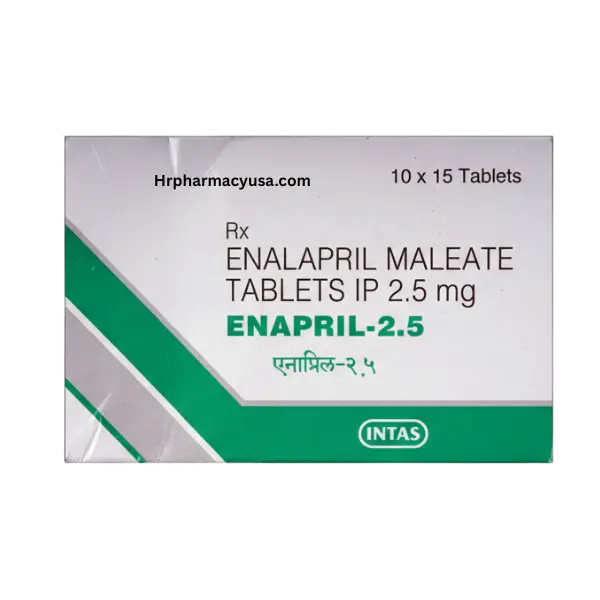
Understanding Your Enapril 2.5 mg Prescription: A Simple Guide
So your doctor just prescribed Enapril 2.5 mg. You're looking at that little slip of paper, maybe feeling a bit confused or overwhelmed. I get it. Medical stuff can sound complicated, but honestly, it doesn't have to be. Let's walk through what this medication is all about, in plain English.
What is Enapril 2.5 mg, really?
In simple terms, Enapril is part of a family of medicines called ACE inhibitors. That's a fancy name for a simple job: it helps relax your blood vessels.
Think of your blood vessels like narrow garden hoses. When they're tight and squeezed, your heart has to work extra hard to pump blood through them. That's what high blood pressure is—all that
extra force. Enapril basically tells those hoses to relax and open up a bit. When they're wider, the blood flows through more easily, and the pressure inside goes down. It just takes the strain off your whole system.
What do doctors use it for?
Most of the time, Enapril 2.5 mg is prescribed for one of two main reasons:
- High Blood Pressure (Hypertension): This is the big one. High blood pressure is sneaky because you often can't feel it, but over time, it's quietly straining your heart and arteries. Enapril helps bring those numbers down to a safer range, which seriously cuts the risk of future problems like heart attacks or strokes.
- Heart Failure: Now, that term can sound scary, but it doesn't mean your heart is stopping. It just means your heart isn't pumping as strongly as it should be. You might feel extra tired, short of breath, or notice swelling in your ankles. By relaxing those blood vessels, Enapril makes your heart's job a whole lot easier. It doesn't have to fight as hard, which can help you feel better and breathe easier.
You'll notice this is the 2.5 mg dose. That's often the starting point. Your doctor is basically seeing how your body handles it. It's super common for them to adjust the dose later, maybe moving up to 5 mg or 10 mg, to find the perfect amount for you.
How should you take it?
Getting into a good routine is key. Here are a few tips:
- Just follow the instructions. Take it exactly how your doctor told you to. Usually, it's once or twice a day. Don't play around with the dosage on your own.
- Timing isn't super strict, but consistency is. You can take it with food or on an empty stomach whatever works for you. The real trick is to take it around the same time every day. This keeps a steady level of medicine in your body so it works smoothly all day and night.
- Forgot a dose? No panic. Just take it as soon as you remember. But if it's almost time for your next one, skip the missed dose and stick to your normal schedule. Never take two doses to make up for one.
- Keep going, even if you feel fine. This is a big one. For high blood pressure, you need to keep taking it every day for it to work. If you stop suddenly, your blood pressure can jump right back up.
Let's talk about side effects.
Like pretty much any medicine, Enapril can have some side effects. Not everyone gets them, and for most folks, they're pretty mild.
Some common ones you might notice:
- A dry, tickly cough that just won't quit. This is probably the most well-known side effect of this type of drug.
- Feeling a bit dizzy or lightheaded, especially when you stand up too fast. This often happens because your blood pressure has just dropped! It usually gets better after your body adjusts.
- A mild headache or feeling more tired than usual.
These things are usually nothing to worry about, but it's always a good idea to mention them to your doctor at your next check-up.
Now, for the less common but more serious stuff. You should call your doctor right away if you notice:
- Any signs of an allergic reaction, like your face, lips, tongue, or throat swelling up. This is serious and needs immediate help.
- Really bad dizziness or if you actually faint.
- Your skin or the whites of your eyes turning yellow (that's called jaundice).
- A bad sore throat with a high fever, which could be a sign of an infection.
A couple of important warnings:
- If you're pregnant or planning to be, you should not take Enapril. It's really important to talk to your doctor about this.
- If you have kidney problems, your doctor will probably want to keep an eye on things with some simple blood tests now and then.
This isn't a full list of every possible side effect. For all the details, please read the leaflet that comes in your packet and have a good chat with your doctor or pharmacist.
Frequently Asked Questions
- I feel fine now. Can I stop taking it?
Please don't. Feeling fine usually means the medicine is doing its job perfectly. If you stop, your blood pressure can shoot right back up.
- This dry cough is really annoying. What can I do?
Definitely talk to your doctor about it. It's a very common reason people switch medications. Your doctor can easily move you to a different type of blood pressure pill that doesn't cause a cough.
- Is it okay to have a drink while on this?
You need to be a bit careful. Alcohol can also lower your blood pressure and might make you feel extra dizzy. It's best to check with your doctor about what's safe for you.
- I take other medicines. Is that a problem?
You should always, always tell your doctor and pharmacist about every other thing you're taking. This includes over-the-counter stuff like ibuprofen or naproxen, and any herbal supplements. Some things don't mix well.
- How long until I see results?
For blood pressure, it can take a couple of weeks to see the full effect. For heart failure, you might notice you're less short of breath a bit sooner.








Reviews
There are no reviews yet.