


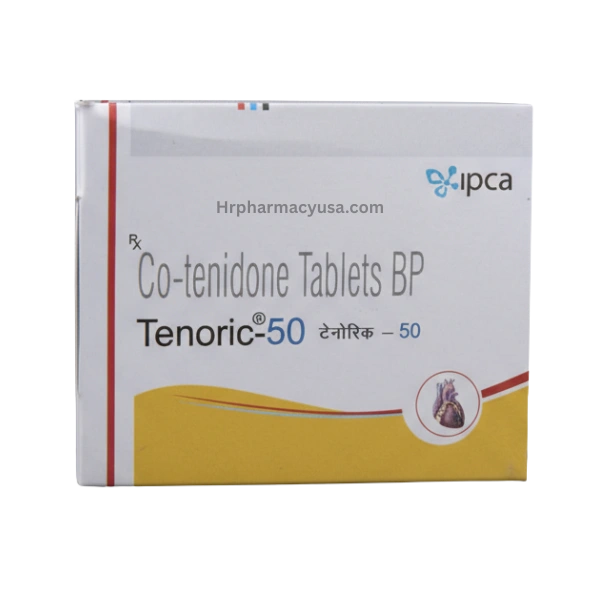
Tenoric 50 mg (Atenolol/Chlorthalidone)
Price range: $17.00 through $32.00
Tenoric 50 mg is commonly recognized as Atenolol 50 mg, a beta blocker prescribed to help manage high blood pressure and reduce the risk of heart problems. It is also used to help prevent chest pain from angina and to support heart recovery after a heart attack. Most people take it once daily, and it works by slowing the heart rate and easing the heart's workload. This medicine is prescription-only in the United States. Always check your package label for the exact active ingredient.
| Active Ingredient: | Atenolol/Chlorthalidone |
|---|---|
| Indication: | High blood pressure |
| Manufacturer: | Ipca Laboratories Ltd |
| Packaging: | 10 tablets in 1 strip |
| Strength: | 50mg |
| Delivery Time: | 6 To 15 days |
In Stock
Tenoric 50 mg Product Details
Tenoric 50 mg is often listed as Atenolol 50 mg, a cardioselective beta blocker that helps lower blood pressure and protect the heart. If your box or blister pack says Atenolol as the active ingredient, the information below applies. If your product contains Atenolol combined with another medicine, such as chlorthalidone, check your label for the exact strength and follow your prescriber's directions.What Tenoric 50 mg is used for
- High blood pressure control. Lowering blood pressure helps reduce the risk of stroke, heart attack, and kidney problems over time.
- Chest pain from angina. Atenolol helps prevent angina episodes by reducing the workload on the heart.
- After a heart attack, it may be prescribed to support the heart and lower the chance of future cardiac events.
- Specific heart rhythm issues. In some cases, Atenolol is used to help steady the heart rate.
How it works
Atenolol is a beta-blocker. It mainly targets beta-1 receptors in the heart to:- Slow the heart rate
- Reduce the force of heart contractions
- Lower blood pressure by easing the heart's demand for oxygen
Who might be prescribed Tenoric 50 mg
Doctors may prescribe this to adults who:- Need a simple, once-daily option to manage high blood pressure
- Have stable angina and need to reduce the frequency of chest pain
- Are you recovering from a heart attack and need long-term heart protection
How to take Tenoric 50 mg
- Take it at the same time each day with a glass of water. You can take it with or without food.
- Try to be consistent with meals if you have a sensitive stomach or diabetes.
- Swallow tablets whole. If your doctor says you can split the tablet, use a proper pill cutter for an even dose.
- Do not stop suddenly unless your doctor tells you to. Stopping abruptly can increase the risk of chest pain or a serious heart event.
Overdose warning
Taking too much can cause a very slow heart rate, low blood pressure, breathing difficulty, or fainting. Seek emergency help right away if you or someone else may have taken too much.Common side effects
Not everyone gets side effects. When they do happen, they are often mild and improve as your body adjusts.- Tiredness or low energy
- Dizziness or lightheadedness, especially when standing up quickly
- Slow heartbeat
- Cold hands or feet
- Mild stomach upset
- Sleep changes or unusual dreams
- Shortness of breath or wheezing in people prone to bronchospasm
- Very slow heart rate, fainting, or chest pain
- Signs of depression or mood changes
Important interactions
Tell your doctor or pharmacist about everything you take, including prescription, over-the-counter, supplement, and herbal products. Some interactions can be significant:- Other blood pressure or heart medications. Calcium channel blockers like verapamil or diltiazem, digoxin, or clonidine can intensify the effects on heart rate or blood pressure.
- NSAIDs like ibuprofen and naproxen. Long-term regular use may reduce blood pressure control. Occasional short-term use is usually acceptable, but ask your provider.
- Diabetes medications. Atenolol can mask some symptoms of low blood sugar, like a racing heartbeat. Monitor glucose closely.
- Asthma or COPD inhalers. Beta blockers can sometimes make breathing symptoms worse in sensitive people. Your doctor will weigh risks and benefits.
- Certain antidepressants and other heart rhythm drugs. These can affect heart rate and blood pressure and may need monitoring.
Who should not take it
This is not a complete list, but in general, Tenoric 50 mg is not appropriate for people with:- Severe bradycardia or advanced heart block without a pacemaker
- Cardiogenic shock or decompensated heart failure
- Known allergy to Atenolol or any tablet ingredient
Storage and handling
- Store at room temperature, 68 to 77°F (20 to 25°C).
- Keep tablets in the original container, tightly closed, away from moisture and direct light.
- Keep out of reach of children and pets.
- Do not use after the expiration date printed on the package.
Available strengths in the market
If your product is atenolol, common strengths include: Related combination products are also available in many markets, pairing atenolol with a diuretic like chlorthalidone. Common combination strengths include:- Atenolol 50 mg plus chlorthalidone 25 mg tablets
- Atenolol 100 mg plus chlorthalidone 25 mg tablets
FAQs About Tenoric 50 mg
- What is Tenoric 50 mg used for?Tenoric 50 mg is commonly recognized as Atenolol 50 mg. Doctors prescribe it to help control high blood pressure, prevent chest pain from angina, support recovery after a heart attack, and manage certain fast or irregular heart rhythms. It lowers the heart's workload and helps keep blood pressure in a healthier range.How should I take Tenoric 50 mg for best results?Take it once daily at the same time each day. You can take it with or without food. Consistency helps. Please do not stop taking it suddenly unless your doctor tells you to. If you feel dizzy at first, rise slowly from sitting or lying down. Track your blood pressure and heart rate regularly.What side effects should I watch for?The most common ones are tiredness, dizziness, slow heartbeat, cold hands or feet, and mild stomach upset. These often improve as your body adjusts. Seek medical advice if you have breathing trouble, fainting, a very slow heart rate, worsening chest pain, or mood changes.Can I drink alcohol or take ibuprofen with Tenoric 50 mg?Light alcohol intake can increase dizziness or lower blood pressure more than expected, so go easy and see how you feel. Occasional short-term use of ibuprofen is usually okay for many people, but regular use may reduce blood pressure control. Ask your healthcare provider if you use NSAIDs frequently or take other heart medicines.How long does it take to work and will I feel different?Some effects start within hours, but the full blood pressure benefit often takes 1 to 2 weeks. Many people do not feel any dramatic change, which is normal. Use a home monitor to track progress, and share readings with your prescriber. If you are taking it for angina, you may notice fewer chest pain episodes after the first week.
| size | 120 Tablet/s, 60 Tablet/s, 90 Tablet/s |
|---|




Reviews
There are no reviews yet.