


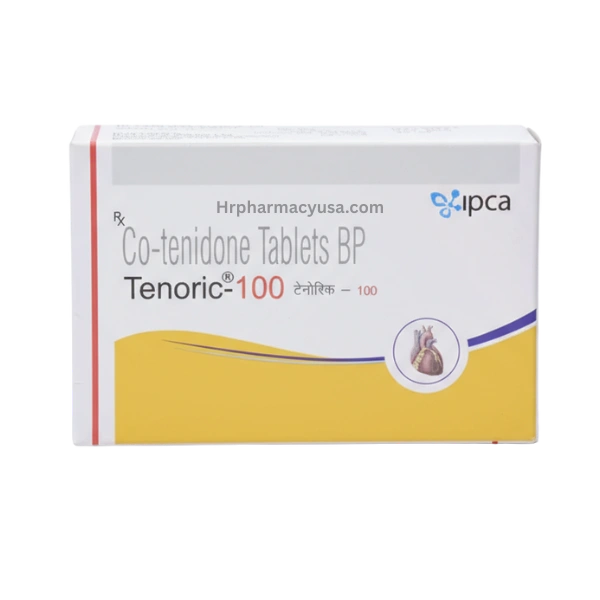
Tenoric 100 mg (Atenolol/Chlorthalidone)
Price range: $17.00 through $30.00
Tenoric 100 mg is commonly known to contain atenolol, a beta blocker used to help lower high blood pressure and reduce the risk of heart-related issues. It may also be prescribed to help prevent chest pain from angina or to manage certain fast heart rhythms. Tenoric 100 mg is usually taken once daily, and it's important not to stop it suddenly. Always check the tablet label for the exact ingredients and follow your prescriber's directions.
| Active Ingredient: | Atenolol/Chlorthalidone |
|---|---|
| Indication: | High blood pressure |
| Manufacturer: | Ipca Laboratories Ltd |
| Packaging: | 10 tablets in 1 strip |
| Strength: | 100mg |
| Delivery Time: | 6 To 15 days |
In Stock
About Tenoric 100 mg
If your doctor has mentioned Tenoric 100 mg and you're looking up what it does, how to use it, and what to expect, you're in the right place. Tenoric 100 mg is widely recognized as a strength containing atenolol, a beta blocker that helps your heart beat more calmly and effectively. That lowers blood pressure and eases strain on the heart. In some regions, combination products pair atenolol with a diuretic such as chlorthalidone, but Tenoric 100 mg is typically understood as the atenolol 100 mg single-ingredient tablet. If you're not sure which version you have, check the imprint and label on your bottle or ask a pharmacist.What Tenoric 100 mg is used for
- High blood pressure, also called hypertension. Lowering blood pressure helps reduce the risk of stroke, heart attack, and kidney problems over time.
- Angina, or chest pain, is caused by reduced blood flow to the heart.
- Certain fast or irregular heartbeats, as directed by a cardiologist.
- Sometimes, a doctor may use atenolol for other reasons at their discretion. If you've been told to use it for something else, follow your prescriber's plan.
How Tenoric 100 mg works
Atenolol is a beta blocker. It blocks stress hormones like adrenaline from pushing your heart to beat too fast or too hard. That leads to:- A steadier heart rate
- Lower blood pressure
- Reduced oxygen demand by the heart, which helps with angina symptoms
Who should be cautious or avoid it
- People with asthma or severe chronic obstructive pulmonary disease should use beta blockers carefully because they can narrow airways.
- Those with a very slow heart rate, certain heart blocks, or untreated heart failure should get a cardiologist's guidance.
- Anyone with severe circulation issues, like Raynaud's, who gets worse in the cold.
- If you have kidney issues, the dose may need to be adjusted.
- Always tell your prescriber if you're pregnant, planning, or breastfeeding. Atenolol has been used in pregnancy but is not always the first choice, especially early on or at higher doses.
Missed dose and overdose
- Missed dose: If it's only been a few hours, take it when you remember. If it's close to the next dose, skip the missed one. Do not double up.
- Overdose: Can cause a very slow heart rate, low blood pressure, dizziness, breathing trouble, or fainting. Call emergency services or poison control right away.
Common side effects
- Tiredness or low energy
- Dizziness or lightheadedness
- Slow heart rate
- Cold hands and feet
- Sleep changes or vivid dreams
- Mild stomach upset
Less common or serious effects
- Shortness of breath or wheezing, especially if you have asthma
- Swelling in the legs or sudden weight gain
- Very slow heart rate or fainting
- Mood changes
- Worsening angina if the medication is stopped abruptly
- Seek medical attention if you have trouble breathing, fainting, severe dizziness, or chest pain.
Important interactions
Always share a complete list of your medicines and supplements with your provider. Atenolol can interact with:- Other blood pressure or heart medicines that slow the heart, including verapamil, diltiazem, digoxin, and clonidine
- Diabetes medicines and insulin, because atenolol can mask shakiness from low blood sugar
- Asthma inhalers like albuterol may feel less effective.
- NSAIDs like ibuprofen or naproxen may slightly reduce blood pressure control if taken daily for long periods.
- Some antidepressants and antipsychotics can affect heart rhythm.
- Alcohol can increase dizziness and lower blood pressure more than expected.
- If you've been prescribed clonidine, do not stop it or atenolol suddenly without a plan from your prescriber. The sequence matters to avoid a rebound spike in blood pressure.
Available strengths
If your doctor wants a different dose, atenolol and Tenoric-branded tablets are available in other strengths depending on the market.- Tenoric 25 mg
- Tenoric 50 mg
- Tenoric 100 mgYou may also see atenolol sold under its generic name in:
- Atenolol 25 mg
- Atenolol 50 mg
- Atenolol 100 mg
Related combination options
In some places, atenolol is combined with chlorthalidone in one pill. These are often labeled by both amounts, such as:- Atenolol 50 mg plus chlorthalidone 25 mg
- Atenolol 100 mg plus chlorthalidone 25 mg
- These combinations are not the same as a single-ingredient Tenoric 100 mg. Check your label to confirm what you have.
Who should not use Tenoric 100 mg without medical review
- People with a heart rate consistently below 60, unless cleared by a provider
- Those with certain types of heart block or untreated heart failure
- People with severe asthma or a history of bronchospasm from beta blockers
- Anyone with severe circulation problems in the hands and feet
- If you're allergic to atenolol or any ingredient in the tablet
Pregnancy, breastfeeding, and fertility
- Pregnancy: Atenolol has been used during pregnancy, but may not be the first choice, especially early in pregnancy. It has been linked to lower birth weight when used at higher doses for long periods. If you become pregnant, talk to your provider about the safest option for you and the baby.
- Breastfeeding: Atenolol does pass into breast milk. Your pediatrician and obstetrician can help decide whether to use it while nursing or consider an alternative.
- Family planning is a great time to review your blood pressure plan and consider options with the best safety profile.
Alcohol, driving, and daily life
- Alcohol can add to dizziness or lightheadedness, especially at the start or after a dose increase.
- Until you know how Tenoric 100 mg affects you, be careful when driving or operating equipment. Most people feel fine once they're used to their dose.
Comparisons and alternatives
- Atenolol vs metoprolol: Both are beta blockers. Metoprolol can be more selective at specific doses and is available in extended-release formulations. Some people tolerate one better than the other.
- Atenolol vs combination pills: A combo pill like atenolol plus chlorthalidone can be convenient if you need both a beta blocker and a diuretic. It's not for everyone, and the chlorthalidone dose in fixed combos may be too high for some patients, so personalization matters.
- If you have asthma, diabetes, or significant peripheral vascular disease, your provider may prefer a different blood pressure strategy.
Important reminder
Information here supports, but does not replace, your prescriber's advice. Always follow the plan you've been given. If anything in your experience feels off or unsafe, call your healthcare team.FAQs for Tenoric 100 mg
- Is Tenoric 100 mg the same as atenolol 100 mg? In many markets, Tenoric 100 mg refers to a tablet that contains atenolol 100 mg. There are also combination products in some places that pair atenolol with chlorthalidone, which is different. Check your label for the exact ingredients and ask your pharmacist if you're not sure.
- How long does Tenoric 100 mg take to work for blood pressure? Atenolol starts working within a few hours, and you'll usually see the full blood pressure effect in about 1 to 2 weeks. Your provider may adjust your dose after checking your readings and how you feel.
- Can I drink coffee or alcohol while taking Tenoric 100 mg? Moderate coffee is usually fine, but pay attention to your heart rate and how you feel. Alcohol can make dizziness or lightheadedness more likely, especially when you first start or increase the dose. If you notice big swings, discuss it with your provider.
- What if Tenoric 100 mg makes my heart rate too low? If your resting heart rate drops too low or you feel faint, call your provider. Do not stop the medication suddenly unless your doctor tells you to. They may lower the dose, change the timing, or switch you to a different medicine.
- Do I need a prescription to buy Tenoric 100 mg in the USA? Yes. Atenolol-containing products require a valid prescription in the United States. It's essential to have medical guidance because dosing and monitoring are individualized, and stopping suddenly can be risky.
| size | 120 Tablet/s, 60 Tablet/s, 90 Tablet/s |
|---|




Reviews
There are no reviews yet.