


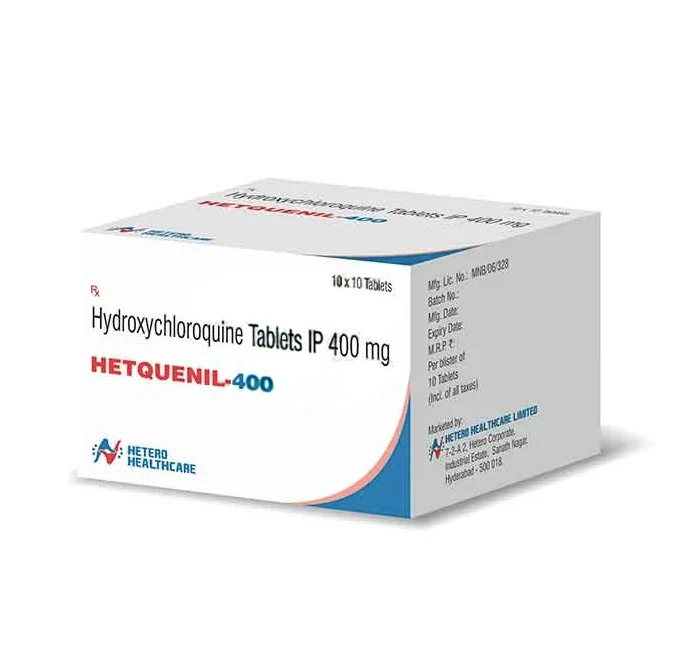
Hetquenil (Hydroxychloroquine)
Price range: $75.00 through $200.00
Hetquenil (Hydroxychloroquine) is a prescription medicine used to manage lupus, rheumatoid arthritis, and certain types of malaria. It helps reduce joint pain, swelling, and disease flares and may lower the risk of malaria when used as directed. The standard tablet is 200 mg. Always follow your prescriber's instructions, read the safety info, and ask a pharmacist about interactions. Do not use this medicine to prevent or treat COVID-19.
| Active Ingredient: | Hydroxychloroquine Sulfate |
|---|---|
| Indication: | Rheumatoid arthritis, Systemic lupus erythematosus (SLE) |
| Manufacturer: | Hetero Drugs Ltd |
| Packaging: | 10 tablets in 1 strip |
| Delivery Time: | 6 To 15 days |
In Stock
Hydroxychloroquine 200 mg – Hetquenil 200mg
| Variant | Price | Units | Quantity | Add to Cart |
|---|---|---|---|---|
| 100 tablet/s | $83.00 | $0.83 | ||
| 200 tablet/s | $137.00 | $0.69 | ||
| 300 Tablet/s | $200.00 | $0.67 |
Hetquenil (Hydroxychloroquine)
Hetquenil (Hydroxychloroquine) is an antimalarial that is also FDA approved to treat rheumatoid arthritis and lupus. Many doctors rely on it long term to help control inflammation, reduce flares, and protect organs. It is also used for the treatment and prevention of malaria caused by susceptible strains. This is a prescription-only medication. Your healthcare provider sets your dose and schedule based on your condition, body weight, and medical history.What it helps with
- Rheumatoid arthritis. It can reduce morning stiffness, swelling, and pain over time. It is often used alone in mild disease or together with other DMARDs.
- Lupus erythematosus. Helps prevent flares and may lower the risk of organ damage when taken regularly.
- Malaria. Used for treatment and prevention in areas where malaria parasites are sensitive to hydroxychloroquine.
How to take it
- Take with food or milk to reduce stomach upset.
- Swallow tablets with water. Do not crush or split unless your pharmacist says it is OK for your specific brand.
- If you miss a dose, take it when you remember, unless it is close to the next dose. Do not double up.
Typical dosing guidance
- Many adults take 200 to 400 mg per day for lupus or rheumatoid arthritis. Your doctor may start low and adjust.
- Malaria dosing is specific and depends on your travel plan or treatment needs. Always follow the exact regimen provided by your prescriber.
- Long-term users often get a baseline eye exam, then regular eye checks, to monitor for rare retinal changes.
Available strengths
- HCQs 300 mg (Hydroxychloroquine Sulfate)
- HCQs 200 mg (Hydroxychloroquine Sulfate)
- HCQS 400 Tablet (Hydroxychloroquine Sulfate)
- Hydroxychloroquine 400 mg – Hetquenil 400mg
- Hydroxychloroquine 200 mg – Hetquenil 200mg
- In some markets, 100 mg and 400 mg tablets may exist. Availability varies by manufacturer and pharmacy. Ask your pharmacist what is stocked near you.
Common side effects
- Nausea, stomach pain, diarrhea, loss of appetite
- Headache, dizziness, trouble sleeping
- Skin rash or itch, changes in skin tone
- These often improve as your body adjusts. If they do not, talk with your prescriber.
Serious warnings you should know about
- Eye health. Rare retinal problems can occur with long-term use or higher doses. Report any vision changes right away and attend regular eye exams.
- Heart rhythm changes. Hydroxychloroquine can affect the QT interval. Tell your doctor if you have heart problems or take other QT-prolonging drugs.
- Low blood sugar. Watch for sweating, shaking, confusion, or a fast heartbeat, especially if you also use diabetes medications.
- Blood problems in people with G6PD deficiency. Your doctor may test for this if needed.
- Severe skin reactions are rare but serious. Seek care if you see widespread rash, peeling, or mouth sores.
Drug interactions to mention to your provider
- Digoxin
- Insulin and other diabetes medicines
- Certain antibiotics and antifungals that affect the heart rhythm
- Antacids can reduce absorption. Separate by a few hours.
- Cimetidine may raise hydroxychloroquine levels
- Always share your full med list, including vitamins and herbal products.
Who should not use it
- Anyone allergic to hydroxychloroquine or similar medicines like chloroquine
- People with certain eye conditions, unless a specialist approves treatment
- Use with extra caution in psoriasis or porphyria
Pregnancy and breastfeeding
Hydroxychloroquine may be continued during pregnancy for conditions like lupus when the benefits outweigh the risks. Small amounts pass into breast milk. Decisions here are personal and should be made with your obstetrician and rheumatologist.Storage
Store at room temperature, away from moisture and light. Keep out of reach of children and pets.FAQs About Hetquenil (Hydroxychloroquine)
What is Hetquenil used for? Hetquenil (Hydroxychloroquine) is used for rheumatoid arthritis, lupus, and for the treatment or prevention of malaria caused by sensitive strains. It is not for COVID-19. How long does it take to work for arthritis or lupus? Some people notice symptom relief in a few weeks, but full benefit can take 2 to 3 months. Keep taking it as prescribed unless your doctor tells you otherwise. Do I need eye exams while on hydroxychloroquine? Yes. Long-term users typically have a baseline eye exam within the first year and regular follow-ups after that. Report any vision changes right away. What if I am also taking an antacid or stomach medicine? Antacids can lower how much hydroxychloroquine your body absorbs. Take hydroxychloroquine at least 4 hours before or after antacids, unless your doctor gives different advice. Is a prescription required? Yes. Hydroxychloroquine is a prescription medication. Your dose, duration, and monitoring plan must come from a licensed healthcare professional.| size | 100 Tablets, 200 Tablets, 50 Tablet/s |
|---|



Reviews
There are no reviews yet.