


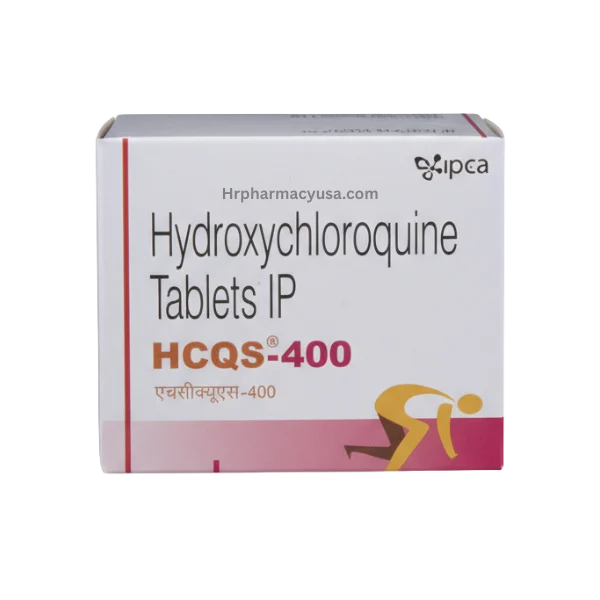
HCQS 400 Tablet (Hydroxychloroquine Sulfate)
Price range: $96.00 through $278.40
HCQS 400 Tablet is a hydroxychloroquine 400 mg tablet used for conditions like rheumatoid arthritis, lupus, and certain types of malaria. It is a prescription medicine in the United States and is often known as a generic alternative to Plaquenil. Many people use it to help manage joint pain, swelling, rashes, and flares. Always use it under a doctor's guidance and follow regular eye checkups while on long-term therapy.
| Active Ingredient: | Hydroxychloroquine Sulfate |
|---|---|
| Indication: | Rheumatoid arthritis, Systemic lupus erythematosus (SLE) |
| Manufacturer: | Ipca Laboratories Ltd |
| Strength: | 400mg |
| Packaging: | 10 tablets in 1 strip |
| Delivery Time: | 6 To 15 days |
In Stock
What is HCQS 400 mg
HCQS 400 Tablet is a hydroxychloroquine 400 mg tablet that doctors in the USA commonly prescribe for autoimmune conditions like rheumatoid arthritis and systemic lupus erythematosus. It can also be used for malaria prevention and treatment in areas where the parasite is still sensitive to this class of medicines. If you have been instructed to start hydroxychloroquine, you may see it referred to as HCQS 400 Tablet in some markets. In the US, many patients are familiar with this medicine as hydroxychloroquine or by the brand name Plaquenil. Regardless of the label, the active ingredient is hydroxychloroquine sulfate.What HCQS 400 Tablet is used for
- Rheumatoid arthritis. Helps reduce joint pain, swelling, and stiffness. It is often part of a long-term plan, sometimes alongside other disease-modifying antirheumatic drugs.
- Systemic lupus erythematosus and discoid lupus. Often used to prevent flares, improve skin and joint symptoms, and support overall disease control.
- Malaria. Used for prevention and treatment only in regions with chloroquine-sensitive malaria. Many parts of the world have resistance, so your travel clinic will advise you on whether hydroxychloroquine is appropriate.
How it works
Hydroxychloroquine is an antimalarial and disease-modifying antirheumatic drug. It alters the way your immune system functions, which can help calm inflammation in conditions such as lupus and rheumatoid arthritis. That is why it can take time to feel the full benefit. For malaria, it works by interfering with the parasite's ability to grow inside red blood cells.Who might consider HCQS 400 Tablet
- Adults with rheumatoid arthritis or lupus who need a medicine to reduce flares, pain, rashes, and inflammation.
- Travelers going to a location where malaria is chloroquine-sensitive. A travel health professional can confirm this.
- People who need a steroid-sparing option to help lower the total amount of steroids used over time.
Important note for COVID-19
Hydroxychloroquine is not recommended for the prevention or treatment of COVID-19 based on current evidence and guidelines in the United States.How to take it
Your prescriber will set your dose. Many adults with autoimmune conditions take hydroxychloroquine daily with food or milk to reduce stomach upset. Some people are told to split the dose between morning and evening. It usually takes a few weeks to start working for arthritis or lupus, and it may take a few months to feel the full effect. If you are taking it for travel, your clinician will give you a schedule that starts before you leave and continues after you return. Do not change your dose or stop suddenly without checking with your clinician, since stopping can lead to a flare in some conditions.Eye health and monitoring
Long-term use of hydroxychloroquine can rarely cause damage to the retina. That is why regular eye exams are recommended. Most clinicians recommend a baseline eye exam within the first year of starting, followed by annual screenings after approximately five years of continuous use, or earlier if you are at higher risk. Let your eye doctor know you are taking hydroxychloroquine. Report any vision changes immediately, such as blurring, trouble focusing, missing spots in your vision, or lights that appear dim.Hcqs 400 Mg Side Effects
Not everyone gets side effects, and many are mild and improve with time. Still, it helps to know what to watch for.- Upset stomach, nausea, vomiting, or diarrhea
- Loss of appetite or mild stomach cramps
- Headache
- Skin rash or itch
- Changes in skin tone or hair color in some people
- Sleep changes, vivid dreams
Serious but Less Common Side Effects
Call your prescriber promptly if you notice:- Vision changes, halos around lights, trouble reading, or blurred vision
- Severe rash, hives, peeling skin, or mouth sores
- Worsening muscle weakness
- Signs of low blood sugar, such as sweating, shaking, a fast heartbeat, confusion, or fainting
- Chest pain or an irregular heartbeat
- Ringing in the ears or hearing changes
- Pale skin, unusual tiredness, easy bruising, or infections that keep coming back
Who Should Be Extra Careful
- People with pre-existing eye disease or retinal problems
- Those with a history of heart rhythm issues or prolonged QT interval
- People with severe liver or kidney disease
- Those with psoriasis or porphyria
- Individuals with myasthenia gravis
- Anyone with a known allergy to hydroxychloroquine or related drugs like chloroquine
Drug interactions to keep in mind
This Is Not the Full List, but It Highlights Common Issues Seen in The Usa.- QT-prolonging drugs. Certain antibiotics and heart medications, like azithromycin or amiodarone, can raise the risk of an abnormal heart rhythm when combined with hydroxychloroquine.
- Digoxin. Levels can increase, which may raise the risk of side effects. Your doctor may need to monitor your levels more closely.
- Diabetes medicines and insulin. Hydroxychloroquine can lower blood sugar levels, so dose adjustments may be necessary to prevent hypoglycemia.
- Antacids. They can reduce absorption if taken too close to hydroxychloroquine. Your prescriber may suggest spacing them out by several hours.
- Cimetidine and some other acid reducers. It can affect how the drug is processed. Your clinician may suggest alternatives, such as famotidine, if needed.
- Methotrexate or other immunosuppressants. Often used together under supervision, but monitoring is essential.
- Tamoxifen. May increase the risk of eye side effects when used together.
Pregnancy and Breastfeeding
Many rheumatology and obstetrics specialists in the US consider hydroxychloroquine a helpful option in pregnancy when treating lupus or rheumatoid arthritis. It can lower the risk of flares, which is essential for both parent and baby. It passes into breast milk in small amounts and is generally considered compatible with breastfeeding. That said, these decisions are personal and medical in nature. Always consult with your obstetrician or pediatrician to ensure it is suitable for your specific situation.How Fast You Might Feel Better
- Rheumatoid arthritis. Some people notice early improvements within 2 to 4 weeks, with full benefit often taking 8 to 12 weeks or longer.
- Lupus. Skin and joint symptoms may settle over several weeks. Preventing flares is a key long-term benefit.
- Malaria treatment is short-term and follows a very different schedule, set by a travel or infectious disease specialist.
Practical Tips for Daily Use
- Take with food or milk to reduce nausea.
- Try to take it at the same time each day so it becomes a habit.
- If you miss a dose, take it as soon as you remember, unless it is close to the next scheduled dose. Do not double up.
- Keep an updated list of all your medications and share it with your healthcare provider at each appointment.
- Schedule regular eye exams. Put reminders on your calendar.
Storage and Handling
- Store at room temperature in a dry place, away from heat and moisture.
- Keep the bottle tightly closed and out of reach of children and pets.
- Do not use past the expiration date.
- If your tablets appear damaged or discolored, consult a pharmacist before use.
Safety Note for Children and Pets
Hydroxychloroquine can be dangerous if accidentally swallowed by a child or pet. Seek emergency help immediately if an accidental ingestion occurs.Travel and Malaria Notes for Us Customers
If you are using hydroxychloroquine for travel, ensure your itinerary includes areas where malaria is still sensitive to this medication. Many regions are resistant, which means a different medication is needed. A travel clinic or your healthcare provider can advise based on your exact destination and travel dates. Start the schedule when your clinician instructs you to, continue taking it throughout your trip, and continue for the recommended time after you return.What to Expect at The Pharmacy
In the USA, hydroxychloroquine is a prescription-only medication. Your pharmacist can review side effects, drug interactions, and how to take it with your other medications. Ask for a medication guide if you did not receive one. If cost is a concern, consider asking about generic options or discount programs. Many people search for the price of HCQS 400 or hydroxychloroquine 400 mg to compare costs. Ensure that you use a trusted source and comply with US laws and regulations.Available Strengths in The Market
Your doctor may choose a different strength based on your condition and body weight, especially for long-term therapy that aims to lower the risk of eye side effects.- Hcqs 200 Tablet
- Hcqs 300 Tablet
- Hcqs 400 Tablet
- Hydroxychloroquine 200 Mg Generic Tablets. Widely Available in The Us from Multiple Manufacturers. Some Tablets Are Scored, but Only Split Tablets if Your Prescriber or Pharmacist Says It Is Okay.
FAQs About HCQS 400 mg
What is HCQS 400 Tablet used for? HCQS 400 Tablet contains hydroxychloroquine, which is used to treat rheumatoid arthritis, systemic and discoid lupus, and for the prevention or treatment of malaria in certain regions. In the USA, it is a prescription-only medication. It can help reduce pain, swelling, skin rashes, and flares in autoimmune conditions. Your clinician will decide if this is the right fit for you. How long does it take for HCQS 400 to work for arthritis or lupus? It is not instant. Many people experience relief within 2 to 4 weeks, but it may take 2 to 3 months to benefit from the treatment fully. Continue taking it as directed, even if you don't feel better right away. Do not stop without consulting your clinician, as this can trigger a flare. What are the most crucial side effects I should know about? Most side effects are mild, including nausea, stomach upset, and headache. The rare but serious one people worry about is eye toxicity. That is why regular eye exams are recommended. Also, watch for symptoms of very low blood sugar, such as chest pain, changes in vision, or severe rashes, and seek medical advice promptly if these symptoms occur. Can I take HCQS 400 Tablet if I am pregnant or breastfeeding? Many specialists consider hydroxychloroquine to be helpful and appropriate during pregnancy for lupus or rheumatoid arthritis, and it is generally compatible with breastfeeding. That said, every situation is personal. Talk with your obstetrician, rheumatologist, or pediatrician to confirm the plan that is right for you. Does HCQS 400 help with COVID-19? No. Hydroxychloroquine is not recommended for the prevention or treatment of COVID-19 based on current US guidelines. It should only be used for approved conditions or when your clinician determines it is appropriate.| size | 100 tablet/s, 200 Tablets, 50 Tablet/s |
|---|




Reviews
There are no reviews yet.