


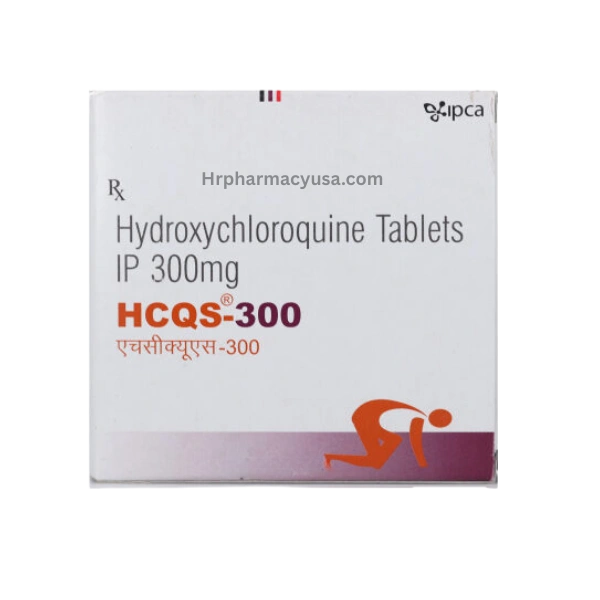
HCQs 300 mg (Hydroxychloroquine Sulfate)
Price range: $75.00 through $200.00
HCQs 300 mg is a hydroxychloroquine sulfate tablet used for conditions like lupus, rheumatoid arthritis, and certain types of malaria. It helps calm immune system activity and reduce inflammation. This medicine requires a valid prescription. It is not approved to treat or prevent viral infections. Always follow your prescriber's directions, get regular eye checkups, and talk to a healthcare professional if you have questions about side effects or interactions.
| Active Ingredient: | Hydroxychloroquine Sulfate |
|---|---|
| Indication: | Rheumatoid arthritis, Systemic lupus erythematosus (SLE) |
| Manufacturer: | Ipca Laboratories Ltd |
| Packaging: | 15 tablets in 1 strip |
| Strength: | 300mg |
| Delivery Time: | 6 To 15 days |
In Stock
What is HCQs 300 mg
HCQs 300 mg is a hydroxychloroquine sulfate tablet. it is well known in rheumatology and infectious disease care. Doctors commonly prescribe it for autoimmune conditions like systemic lupus erythematosus and rheumatoid arthritis. It is also used against malaria caused by certain susceptible parasites. If you have a prescription and are looking to buy hydroxychloroquine online in the USA, this page walks you through the essentials in clear, simple language. You may see this medicine described as hydroxychloroquine, HCQ, or HCQS. Brand versions include Plaquenil in the United States. The 300 mg strength exists in some markets. In the U.S., 200 mg tablets are the most common. Your prescriber and pharmacist may adjust how many tablets you take to match the dose on your prescription.What HCQs 300 mg is used for
- Lupus: Hydroxychloroquine helps control flares, skin symptoms, fatigue, and joint pain. Many rheumatologists consider it a long-term cornerstone of lupus care.
- Rheumatoid arthritis: It can reduce swelling and stiffness, and is often used along with other disease-modifying medicines. It is not a fast pain reliever, but it helps over time.
- Malaria: Hydroxychloroquine treats or prevents malaria in regions where parasites are still sensitive to it. It is not effective in some parts of the world due to resistance. Your clinician will advise based on your travel or exposure risk.
Important
- This medicine is not approved for treating or preventing viral illnesses. That includes COVID-19.
- A prescription is required in the United States.
How Hydroxychloroquine Works
Hydroxychloroquine changes how your immune system signals and processes specific inflammatory pathways. For lupus and rheumatoid arthritis, this means a reduced overactive immune response, which can ease symptoms and protect joints and organs over the long term. Malaria interacts with the way the parasite is managed by red blood cells, which helps prevent it from multiplying.When you might start to feel a difference
- Rheumatoid arthritis and lupus. Some people notice early improvements in 4 to 6 weeks. The full effect can take 2 to 3 months, sometimes a bit longer. Keep taking it as directed unless your prescriber changes the plan.
- Malaria. Dosing for malaria is different and is usually part of a short, specific schedule. Your doctor will give exact instructions.
How to take it
- Take HCQs 300 mg with food or milk. This can reduce stomach upset.
- Try to take it at the same time each day for steady levels.
- If you miss a dose, take it when you remember, unless it is close to your next dose. Do not double up without your prescriber's advice.
- Avoid taking it at the same time as antacids or kaolin. If you use these, separate them by several hours so the medicine can absorb properly.
Safety and monitoring
One reason hydroxychloroquine is widely used is its balanced safety profile when taken at appropriate doses. That said, there are necessary precautions.- Eye health: Long-term use can rarely affect the retina. Your prescriber will usually recommend a baseline eye exam, followed by regular screenings. Follow the schedule your eye doctor suggests.
- Heart rhythm: Hydroxychloroquine can affect the heart's electrical system, especially if you already have a prolonged QT interval or you take other medicines that also prolong QT. Tell your clinician about all heart conditions and all the medicines you take.
- Blood sugar: It can lower blood glucose, which is more noticeable if you have diabetes or are on insulin or other glucose-lowering drugs. Know the signs of low blood sugar, such as sweating, shakiness, dizziness, and confusion. Keep a quick source of glucose available if you are at risk.
- Kidneys and liver: People with kidney or liver problems may need extra monitoring or dose adjustments.
- Skin and allergy: Let your prescriber know if you have psoriasis or porphyria, since these can flare with hydroxychloroquine. Report rashes, hives, or severe skin reactions right away.
- Overdose risk in children: Even a small number of tablets can be dangerous for a child. Store securely, out of sight and reach.
HCQS 300 mg Side Effects
Not everyone experiences side effects, but these are the ones people most often mention:- Nausea, stomach cramps, or diarrhea
- Loss of appetite or a metallic taste
- Headache or dizziness
- Itchy skin or mild rash
- Mood changes or trouble sleeping
Serious side effects that need urgent care
Call your clinician or seek urgent medical help if you notice:- Vision changes, such as blurry vision, light flashes, difficulty focusing, or seeing halos
- Fainting, irregular heartbeat, chest pain, or shortness of breath
- Severe rash, peeling skin, or blistering
- Confusion, severe weakness, or severe low blood sugar symptoms that do not improve
Drug interactions to discuss with your prescriber
- Antacids and kaolin can reduce absorption. Separate by several hours.
- Digoxin levels may go up. You may need monitoring if you take digoxin.
- Insulin or oral diabetes medicines can have more potent effects. Watch for low blood sugar.
- QT-prolonging medicines such as certain antibiotics, antipsychotics, or antiarrhythmics. Combining them raises the risk of heart rhythm issues.
- Cimetidine and some other medicines may affect how hydroxychloroquine is processed. Always share a complete list of prescriptions, supplements, and herbs with your clinician and pharmacist.
Who should not use HCQs 300 mg
- People with a known allergy to hydroxychloroquine or related medicines such as chloroquine
- People with certain pre-existing retinal diseases, unless a specialist decides that the benefit outweighs the risk
- Those with a history of serious heart rhythm problems, unless closely supervised by a cardiologist
- People with active psoriasis or porphyria should use caution and seek specialist guidance
Pregnancy and breastfeeding
For many patients with lupus, staying on hydroxychloroquine during pregnancy is recommended because it can help keep the disease stable and is generally considered compatible. For rheumatoid arthritis, your doctor will weigh the risks and benefits for your situation. Hydroxychloroquine passes into breast milk in small amounts. If you are pregnant or nursing, discuss your plan with your obstetrician and specialist so you can make an informed choice together.Tips for Everyday Use
- Take it with a meal or a glass of milk to help your stomach.
- Use a pill organizer or set a phone reminder if your daily schedule is busy.
- Keep up with eye exams and routine lab checks as your prescriber recommends.
- If you feel off, write down what you notice and when it started. That helps your clinician fine-tune your plan.
- Do not stop suddenly unless you are told to. Stopping lupus or rheumatoid arthritis can cause flares.
Available strengths in the market
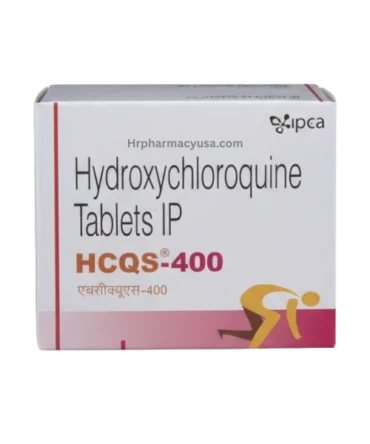
These are the strengths people most often find. Availability can vary by country and by pharmacy.- HCQS 400 Mg Hydroxychloroquine Tablets
- HCQS 300 Mg Hydroxychloroquine Tablets
- HCQS 200 Mg Hydroxychloroquine Tablets
Storage and Handling
- Store at room temperature, ideally 68 to 77 degrees Fahrenheit.
- Keep in a dry place, away from excess heat and humidity.
- Always keep the bottle tightly closed and out of reach of children and pets.
- Do not use past the expiration date printed on the label.
Travel and malaria notes
If your prescription is related to malaria prevention or treatment:- Not all regions have malaria parasites that respond to hydroxychloroquine. Resistance varies by location.
- Start and stop timing for prevention is specific. Your travel medicine provider will guide you on when to begin and how long to continue after travel.
- Use other prevention steps too. Avoid mosquito bites with repellent, protective clothing, and bed nets.
FAQ About HCQS 300 mg Tablet
Do I need a prescription to buy HCQ 300 mg in the USA? Yes. Hydroxychloroquine is prescription-only in the United States. A licensed clinician must decide if it is appropriate and safe for you. Online and local pharmacies require a valid prescription. How long does it take for hydroxychloroquine to work for lupus or rheumatoid arthritis? It is not instant. Many people begin to notice benefits in 4 to 6 weeks. The full effect can take 2 to 3 months. Keep taking it as directed unless your prescriber changes your plan. If you feel no improvement after several months, check in with your clinician to review options. Do I need regular eye exams while taking hydroxychloroquine? Yes. A baseline eye exam is usually recommended, followed by ongoing screening at intervals set by your eye doctor. This helps catch rare retinal changes early. Stick to the schedule even if your vision feels normal. Can I take antacids, antibiotics, or other medicines with 300 mg of HCQ? Tell your prescriber and pharmacist about all medicines you take. Antacids can reduce absorption, so separate them by several hours. Some antibiotics and other drugs can affect heart rhythm when combined with hydroxychloroquine. Your care team can help you avoid risky combinations. Is hydroxychloroquine safe during pregnancy or breastfeeding? For many people with lupus, continuing hydroxychloroquine in pregnancy is recommended to keep the disease stable. It is also often considered compatible with breastfeeding. Your situation is unique, so discuss it with your obstetrician and specialist to be sure the plan fits your health needs.| size | 100 tablet/s, 200 tablet/s, 50 Tablet/s |
|---|



Reviews
There are no reviews yet.