


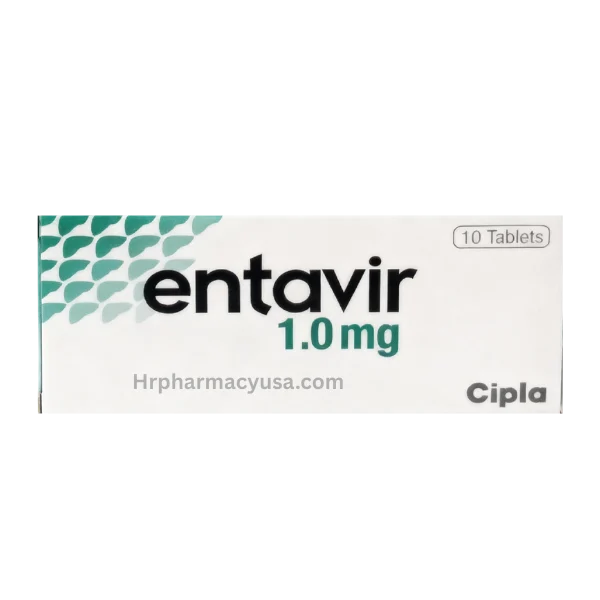
Entavir 1 mg (Entecavir)
Price range: $225.00 through $630.00
Entavir 1 mg (Entecavir) is an antiviral medicine used to treat chronic Hepatitis B. It helps reduce the amount of virus in the body and protects liver function.
| Active Ingredient | Entecavir |
|---|---|
| Manufacturer | Cipla Limited |
| Packaging | 10 tablets in 1 strip |
| Strength | 1mg |
| Delivery Time | 6 To 15 days |
In Stock
Entavir 1 mg (Entecavir) Tablets
A higher-strength antiviral tablet to help control chronic Hepatitis B. One tablet a day. Empty stomach. Reliable suppression of HBV when taken exactly as directed. In plain words: it keeps the virus down so your liver can get a breather.What This Product Is (and Who It’s For)
Entavir 1 mg contains entecavir, a nucleoside analog antiviral designed for long‑term management of chronic Hepatitis B. Doctors often choose the 1 mg strength if:- You have lamivudine-resistant HBV
- You have decompensated or more advanced liver disease
- Your doctor wants a stronger dose than 0.5 mg due to your clinical picture
- Anyone allergic to entecavir or tablet ingredients
- People with known or suspected HIV infection who are not on a complete HIV regimen (entecavir alone can cause HIV drug resistance)
- Individuals with serious kidney impairment unless the prescriber adjusts dose timing
How Entavir 1 mg Works (in plain words)
HBV needs a tool called DNA polymerase to copy itself. Entecavir blocks that tool. Once the virus can’t copy as easily, its numbers drop. Less virus usually means calmer liver tests (like ALT/AST), fewer flare-ups, and a better long‑term outlook. It’s not a one-and-done cure, but it keeps the virus in check—kind of like turning down a too‑loud radio.Key Benefits You May Notice
- Significant reduction in HBV DNA (viral load) with steady use
- Improved liver enzyme numbers over time
- Lower risk of disease progression when part of a proper care plan
- Once‑daily routine that’s simple to follow
- Generally well‑tolerated by most patients
What’s Inside Each Tablet
- Active ingredient: Entecavir 1 mg
- Inactive ingredients: Can include typical tablet excipients like lactose, microcrystalline cellulose, povidone, and magnesium stearate. Exact ingredients can vary by batch or manufacturer. If you have allergies (or lactose intolerance), check the package leaflet.
Directions: How to Take Entavir 1 mg
- Usual adult dose: 1 mg once daily (especially for lamivudine-resistant HBV or decompensated liver disease)
- Take on an empty stomach: At least 2 hours before or 2 hours after a meal. This helps the medicine absorb properly.
- How to take: Swallow the tablet whole with water. Don’t crush or chew unless a healthcare professional says it’s okay.
- Duration: Typically long‑term. Don’t stop on your own. Stopping without medical advice can trigger a serious hepatitis flare.
- Kidney issues: Your doctor may change how often you take it (for example, every 48–72 hours, or even weekly in severe cases) based on your kidney function tests.
- HBV with HIV: Do not use entecavir alone. It must be part of a complete HIV treatment regimen to avoid resistance.
- Pediatric use: Sometimes used under specialist care, but dosing is different and may use a liquid form. The 1 mg tablet isn’t usually the first choice for kids.
- If you forget and remember within a few hours, take it. If it’s close to your next dose, skip the missed one. Don’t double up.
- If you throw up within about 1–2 hours after taking the tablet, call your healthcare provider for advice on whether to take another dose.
- If you’ve taken more than prescribed, contact a healthcare professional right away.
Who It’s Especially Useful For
- People with lamivudine-resistant Hepatitis B
- Those with decompensated (more advanced) liver disease under close specialist care
- Patients who didn’t get the needed response on lower doses
Side Effects
Most side effects are mild and may improve as your body gets used to the medication. If anything feels off, tell your care team. Common:- Headache
- Fatigue or dizziness
- Nausea, upset stomach
- Trouble sleeping
- Lactic acidosis (rare but serious): Watch for unusual muscle pain, severe weakness, belly pain with nausea or vomiting, fast or difficult breathing, feeling very cold, or extreme tiredness. Seek urgent help if these appear.
- Hepatitis flare after stopping: Liver enzymes can spike after discontinuation. That’s why stopping must be guided by your doctor, with follow‑up labs.
- Lab changes: Your provider will monitor liver and kidney tests.
Warnings and Precautions
- HIV coinfection: Don’t take entecavir alone if you have HIV. It can cause resistance to HIV meds. You’ll need a full, coordinated regimen.
- Kidney function: Dose timing may need adjustment. Share recent creatinine/eGFR results with your prescriber.
- Pregnancy and breastfeeding: Data is limited. Your doctor will discuss potential benefits, risks, and monitoring.
- Alcohol: Alcohol stresses the liver. Best to limit or avoid during HBV therapy.
- Driving and machines: If you feel dizzy or very tired, wait until you feel okay before driving or using tools/machinery.
Drug Interactions
Entecavir doesn’t rely heavily on liver enzyme pathways, so it has fewer interactions than many medicines. Still, it’s smart to share everything you take—prescriptions, OTC meds, herbal products, and supplements. Use extra caution with:- Medicines that can affect kidney function (for example, high-dose NSAIDs, some antibiotics, tacrolimus, cyclosporine)
- Any HIV treatment—make sure your plan is complete and coordinated
- High-dose herbal products or supplements (best to clear them with your prescriber)
Monitoring and Follow‑Ups
- Lab tests: HBV DNA (viral load), ALT/AST, bilirubin, albumin, INR (if advanced disease), and kidney function
- Imaging/assessments: Your doctor may order liver ultrasound, elastography (fibrosis check), or other assessments
- Clinic visits: Regular follow‑ups help fine‑tune therapy and catch issues early
Storage and Handling
- Store at room temperature below 30°C (86°F)
- Keep away from moisture and direct sunlight
- Keep out of reach of children and pets
- Don’t use after the expiry date printed on the pack
- Keep tablets in the original blister or bottle until use
What You Get (Packaging May Vary)
- Entavir 1 mg film‑coated tablets
- Common pack: Blister strips (often 10 tablets per strip). Carton size varies by region.
- Leaflet with instructions and safety info
Why People Choose Entavir 1 mg
- Higher strength for specific HBV cases like lamivudine resistance or decompensated liver disease
- Once‑daily dose that fits into everyday routines
- Strong track record of reducing viral load when taken consistently
- Generally well‑tolerated and easy to take on an empty stomach
Real‑Life Tips for Better Results
- Pick a time you can stick with daily—many choose early morning before breakfast
- Set a phone reminder; consistency matters more than anything
- Keep your lab and clinic appointments; they show how well the plan is working
- Don’t change or stop the dose without checking in with your prescriber
- Share a full list of meds and supplements at every appointment
Frequently Asked Questions (FAQ)
Q1. What is Entavir 1 mg used for? Entavir 1 mg (Entecavir) is used to manage chronic Hepatitis B, especially in people with lamivudine-resistant HBV or more advanced liver disease where a stronger dose is needed. Q2. Is Entavir 1 mg a cure for Hepatitis B? No. It controls the virus while you take it. Many people see their viral load drop a lot, sometimes to undetectable levels, but you still need ongoing monitoring. Q3. How should I take Entavir 1 mg? Take one tablet once daily on an empty stomach—at least 2 hours before or 2 hours after eating. Swallow whole with water. Q4. How long will I need to stay on it? Usually long‑term. Your doctor decides based on viral load, liver tests, and your overall health. Don’t stop suddenly because flares can happen. Q5. What if I miss a dose? Take it when you remember if it’s within a few hours. If it’s close to your next scheduled dose, skip the missed one. Don’t take two tablets at once.Related Products You May Consider
- Entavir (Entecavir) – 0.5 mg: Often used for treatment‑naive adults with chronic HBV.
- Tenofovir Disoproxil Fumarate (TDF) – 300 mg: A widely used HBV antiviral when entecavir isn’t suitable.
- Tenofovir Alafenamide (TAF) – 25 mg: A newer tenofovir option that may be gentler on kidneys and bones, as advised by your doctor.
- Lamivudine – 100 mg: An older HBV antiviral used in select situations or combinations under specialist guidance.
- Pegylated Interferon Alfa (various strengths): Injectable therapy sometimes used for time‑limited courses in carefully chosen patients.
| size | 120 Tablet/s, 150 Tablet/s, 300 Tablet/s, 90 Tablet/s |
|---|


Reviews
There are no reviews yet.