


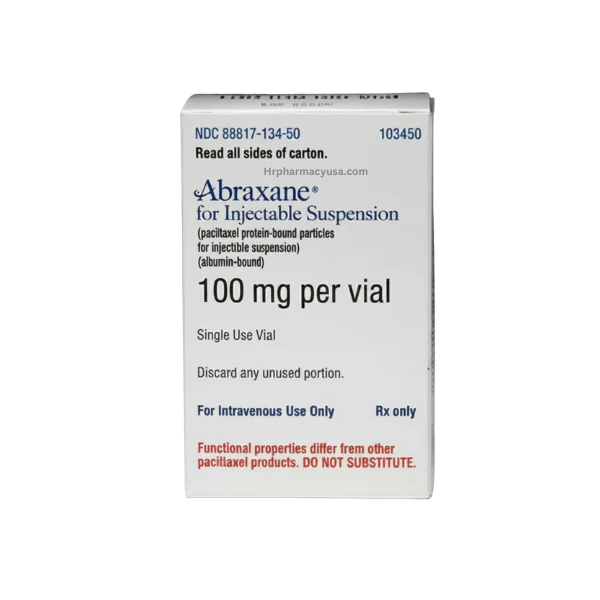
Abraxane 100 Mg Injection
Abraxane 100 mg Injection is a chemotherapy medication that contains paclitaxel protein-bound particles (albumin-bound). It is commonly prescribed for the treatment of breast cancer, non-small cell lung cancer, and pancreatic cancer.
| Active Ingredient | Paclitaxel |
|---|---|
| Manufacturer | Biocon Limited |
| Packaging | 0.25 mg in 1 sachet |
| Strength | 100mg |
| Delivery Time | 6 To 15 days |
Abraxane 100 Mg Injection – Product Description
Abraxane 100 Mg Injection is a chemotherapy medicine that doctors prescribe for treating different types of cancer. The main drug in it is Paclitaxel (in an albumin-bound form). This is not a normal tablet or capsule that you can take by mouth. It is given directly into the vein as an infusion by a doctor or nurse, mostly in a hospital or clinic setting.
Chemotherapy is tough but necessary in many cases, and Abraxane is one of the medicines that helps control the growth of cancer cells.
Key Details
-
Name: Abraxane 100 Mg Injection
-
Strength: 100 mg
-
Active Ingredient: Paclitaxel (albumin nanoparticles)
-
Form: Injection
-
Type: Chemotherapy / anti-cancer medicine
-
Prescription: Mandatory
-
Used For: Breast cancer, lung cancer (NSCLC), pancreatic cancer
How It Works
To put it simply, cancer cells are greedy cells. They keep dividing and spreading without stopping. Abraxane goes inside the bloodstream and finds these cells.
Inside every cell, there are tiny structures called microtubules. They are like little tracks that help the cell to split into two. Paclitaxel, which is the core of Abraxane, locks onto those microtubules. Once locked, the cancer cell can’t divide. If a cell can’t divide, it dies after some time.
Abraxane uses a special albumin-bound technology. This makes the drug travel better in the body and target the tumor area more effectively.
When Doctors Prescribe Abraxane
1. Breast Cancer
Abraxane is often used in patients with metastatic breast cancer, which means the disease has spread to other body parts. It is mostly given when other standard chemotherapy medicines are not working or when the patient cannot tolerate them.
2. Non-Small Cell Lung Cancer (NSCLC)
This is one of the most common lung cancers. Patients who cannot go for surgery or radiation are often given Abraxane in combination with Carboplatin Injection.
3. Pancreatic Cancer
Pancreatic cancer is one of the most difficult cancers to treat. Abraxane, when combined with Gemcitabine Injection, has shown good results. It may not cure, but it can extend survival and improve quality of life.
Benefits of Abraxane
-
Stops cancer cells from dividing
-
Works in multiple cancer types
-
Albumin technology improves drug delivery
-
Can be given when older paclitaxel injections fail
-
Helps shrink tumors and reduce symptoms
-
Improves overall patient survival rates
How It Is Given
-
Route: Intravenous infusion (direct into vein)
-
Given by: Doctor or nurse in hospital/clinic
-
Dose: Decided by doctor based on body size, type of cancer, and health condition
-
Schedule: Sometimes weekly, sometimes every 3 weeks
Note: This is not a medicine you can inject at home. Always given under medical supervision.
Side Effects
Chemotherapy drugs always come with side effects. Not everyone gets all of them, but some are common.
Common effects:
-
Hair loss (temporary)
-
Weakness and tiredness
-
Nausea or vomiting
-
Low blood counts (can lead to infections or anemia)
-
Mouth sores
-
Joint or muscle pain
-
Loss of appetite
Serious effects:
-
Severe allergic reactions (swelling, rash, difficulty breathing)
-
Persistent fever or sore throat
-
Numbness or tingling in hands and feet
-
Unusual bleeding or bruising
-
Breathing trouble or chest pain
Doctors usually run regular blood tests to keep an eye on these issues.
Safety Tips
-
Do not take Abraxane if allergic to Paclitaxel.
-
Not safe during pregnancy. It may harm the baby.
-
Do not breastfeed while on this medicine.
-
Patients with liver disease must be watched carefully.
-
Avoid alcohol and smoking during treatment.
-
Tell your doctor about all other medicines you take.
Storage
-
Store below 25°C.
-
Keep away from direct light and moisture.
-
Keep away from children.
FAQs
1. What cancers does Abraxane treat?
It is used for breast cancer, non-small cell lung cancer, and pancreatic cancer.
2. How is it given?
It is given as an IV infusion by a trained professional.
3. Can I take it at home?
No, it must only be given in a hospital or clinic.
4. Does it cause hair loss?
Yes, but usually temporary.
5. Is it safe in pregnancy?
No, it is unsafe during pregnancy.
6. How often do I need it?
Depends on your treatment plan. Could be weekly or every 3 weeks.
7. Does it cure cancer completely?
It does not guarantee a cure, but it helps shrink tumors and improve survival.
8. Can it be combined with other drugs?
Yes. Often with Carboplatin (lung cancer) or Gemcitabine (pancreatic cancer).
9. How long will treatment go on?
That depends on your type of cancer and your response. Only your doctor can decide.
Related Products
-
Carboplatin Injection – Often paired with Abraxane in lung cancer
-
Gemcitabine Injection – Combined with Abraxane for pancreatic cancer
-
Cisplatin Injection (Cytoplatin) – Widely used in chemotherapy
-
Docetaxel Injection – Another drug from the same class as Paclitaxel
-
Adriamycin (Doxorubicin) Injection – Used in breast and other cancers
| size | 2 Injection, 4 Injection, 6 Injection |
|---|



Reviews
There are no reviews yet.