


Combutol 1000 mg (Ethambutol) is an antibiotic used to treat tuberculosis (TB). It helps prevent the growth of TB-causing bacteria and is typically part of a combination therapy. Always follow the prescribed dosage and consult a healthcare professional for any concerns.
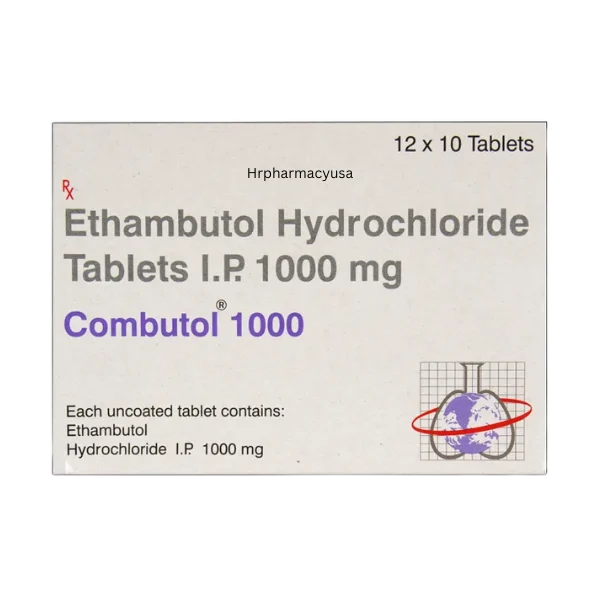
Combutol 1000 Mg (Ethambutol)
Price range: $25.00 through $68.00
| Active Ingredient | Ethambutol |
|---|---|
| Manufacturer | Lupin Limited |
| Packaging | 10 Tablets in Strip |
| Strength | 100 Mg |
| Delivery Time | 6 To 15 days |
In Stock
TB Journey: Living with Combutol 1000 Mg
When TB knocked on my door last year, I had no clue what I was in for. The doctor threw around terms like "Combutol" and "combination therapy" while I sat there wondering how my life would change. Looking back now, I wish someone had given me the real talk about what to expect. So here's my unfiltered experience with TB treatment, hoping it helps someone out there feeling just as lost as I was.What's This Combutol Stuff Anyway?
Combutol isn't some miracle pill – it's just ethambutol hydrochloride if you want to get technical. My doctor said it messes with the TB bacteria's cell walls, basically making them weak and stopping them from spreading. The weird thing is they never give you just Combutol. My treatment cocktail included three other drugs with names I could barely pronounce at first – Isoniazid, Rifampicin, and Pyrazinamide. My doctor called it the "HRZE regimen" like it was some fancy restaurant menu item! Apparently using all these drugs together keeps the bacteria from becoming resistant.The Daily Grind
My doctor calculated my Combutol dose based on my weight – around 15-25mg per kg daily. For me, that meant swallowing these horse-sized 1000mg tablets once a day. Trust me, they're huge! I started taking them with breakfast because they made me queasy on an empty stomach. The one thing my doctor drilled into my head was "same time, every day, no excuses." I set my alarm for 9AM sharp, and that became my medicine ritual. Some days I'd stare at those pills thinking "do I really need this today?" – especially when I started feeling better around week 6. But my doctor kept reminding me that feeling better doesn't mean the bacteria are gone. My treatment lasted a full 6 months, though I only took Combutol for the first 2 months (the "intensive phase" as they called it). Even after I stopped Combutol, I had to keep taking the other meds for another 4 months. Longest 6 months of my life, honestly.Doctor Visits Became My Social Life
Every two weeks at first, then monthly, I'd drag myself to the clinic for check-ups. They'd test my vision (apparently Combutol can mess with your eyesight), take blood to check if my organs were handling the meds okay, and collect my spit to see if the bacteria were dying off. I started keeping notes in my phone about weird symptoms or side effects. My doctor actually loved this – said most patients just show up saying "I don't feel right" without any details. The notes helped her figure out if my treatment needed tweaking.The Not-So-Fun Side Effects
Nobody warns you properly about the side effects. Some days were fine, others were rough. The annoying but bearable stuff included:- A queasy stomach that would come and go
- Random headaches that painkillers barely touched
- Feeling dizzy when standing up too fast
- Joints that ached for no reason
- Zero appetite some days
- This weird metallic taste that made my favorite foods taste like coins
- Itchy skin that drove me nuts
- Any vision changes – especially trouble seeing red and green (I tested this with my kid's colored pencils regularly)
- Skin rashes that looked angry or spread quickly
- Tingling in my hands and feet
- Confusion or hallucinations
- Joint pain so bad I couldn't move
Survival Tips From Someone Who's Been There
Looking back, here's what made those months more bearable:Keeping Track of Pills
I used an old pill box of my grandma's to organize my weekly doses. Kept it right by my coffee machine so I'd see it every morning. When I traveled for my cousin's wedding, I packed double the pills I needed – good thing too, since my flight home got canceled and I was stuck an extra day. Pro tip: Don't store these meds in your bathroom. The humidity from showers can damage them. I kept mine in my bedroom drawer instead.Dealing With Feeling Awful
Taking pills with a slice of toast helped my stomach. I started carrying a water bottle everywhere – staying hydrated really does help with the headaches. Some days I just had to call in sick and rest, especially in those first few weeks. When food tasted like metal, I found that cold foods weren't as bad. Popsicles, yogurt, and chilled fruit became my go-tos. When my appetite disappeared, I'd eat small snacks throughout the day instead of forcing down full meals.Getting Through Recovery
My mom kept pushing protein-rich foods on me – eggs, chicken, beans. Annoying at the time, but she wasn't wrong. My doctor had warned me to completely avoid alcohol, which meant awkward explanations at my friend's birthday party about why I wasn't drinking. I started with short walks around the block when I felt up to it, gradually building back to my normal routine. The TB support group at my local clinic turned out to be surprisingly helpful – something about talking to people who actually get what you're going through.Stuff My Doctor Warned Me About
Through all those clinic visits and support group chats, I picked up some important warnings:Drug Interactions
Found out the hard way that my occasional antacids were messing with my treatment. My doctor explained that aluminum-containing antacids prevent Combutol from being absorbed properly. Had to space them at least 4 hours apart. Also had to put my daily vitamins on hold unless my doctor specifically okayed them.Special Cases
A guy in my support group had kidney problems, and they had to adjust his dosage and test his blood more frequently. Another woman had some existing eye condition, and they monitored her vision weekly instead of monthly. The meds can be harder on your body if you already have liver or kidney issues.Pregnancy Stuff
One woman in our group discovered she was pregnant during treatment. The doctors had a whole team meeting about her case. They decided to continue most of her treatment because untreated TB posed a bigger risk to her and the baby than the medications did. But they modified some aspects of her treatment plan and watched her super closely.The Mental Toll Nobody Talks About
The physical symptoms were tough, but the mental side caught me off guard. There were days I felt so isolated, especially early on when I was still contagious and couldn't be around people. I worried about whether the meds were working, whether I'd infect my family, whether I'd ever feel normal again. My breaking point came about three months in, when I broke down crying in my doctor's office. She referred me to a therapist who specialized in chronic illness. Just having someone to talk to who wasn't family (with their worried faces) or medical staff (with their clinical approach) made a huge difference. I started journaling – nothing fancy, just notes on my phone about how I was feeling each day. Seeing the gradual improvement over weeks helped on days when it felt like this would never end.Life After TB
The day my doctor officially declared me cured felt surreal. The final round of tests confirmed the bacteria were gone. She warned me to stay alert for any return of symptoms in the future, but assured me that with completed treatment, recurrence is rare. This whole experience changed how I think about my health. I don't take simple things like climbing stairs without getting winded for granted anymore. I've kept up some habits from my treatment days – eating better, getting enough sleep, and checking in with my body regularly.Questions I Kept Asking My Doctor
Throughout those months, I bombarded my poor doctor with questions: How long am I contagious? Turned out most people aren't infectious after about two weeks of proper treatment. My doctor tested my sputum to confirm when I was no longer a risk to others. Can I drink coffee with these pills? I could, but not within an hour of taking Combutol. Something about caffeine affecting absorption. That meant rearranging my morning routine since I used to take pills with my coffee. Will this TB thing come back? As long as I completed the full treatment (which I did, religiously), the chances of TB returning are pretty low. But my doctor said to stay vigilant if I ever become immunocompromised in the future. How do I know if the meds are actually working? First sign was feeling better – less coughing, more energy, getting my appetite back. But the real proof was in my sputum tests, which showed fewer and fewer bacteria over time. Can I exercise during treatment? My doctor actually encouraged it once I felt up to it. I started with short walks, then gradually returned to my pre-TB activities. Exercise helped with both my physical recovery and my mood.| size | 120 Tablet/s, 150 Tablet/s, 300 Tablet/s, 90 Tablet/s |
|---|


Reviews
There are no reviews yet.