


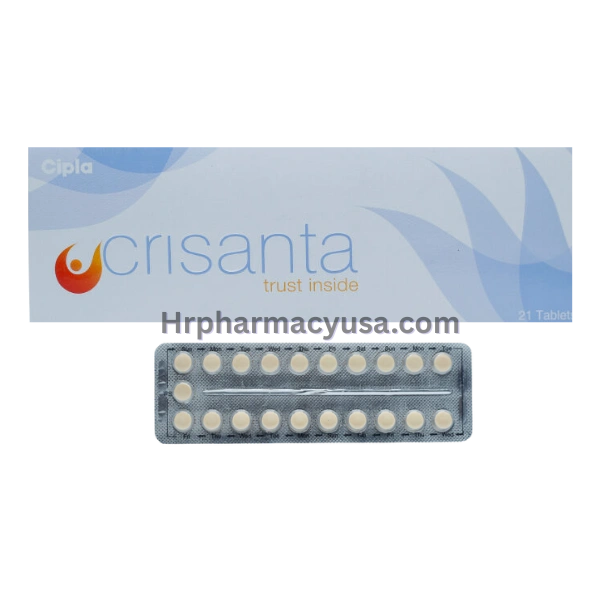
Crisanta (Ethinylestradiol/Drospirenone)
Price range: $16.50 through $33.75
Crisanta (Ethinylestradiol/Drospirenone) is a combination birth control pill that helps prevent pregnancy. It is taken by mouth once daily, usually as a 28-day pack with active pills and reminder pills. It does not protect against STIs. Taking it at the same time each day helps maintain steady hormone levels and reduces mistakes. Ask your prescriber if it fits your health history.
| Active Ingredient: | Ethinylestradiol/Drospirenone |
|---|---|
| Indication: | Contraception/Birth control |
| Manufacturer: | Cipla Limited |
| Packaging: | 21 tablets in 1 strip |
| Strength: | 0.03mg/0.15mg |
| Delivery Time: | 6 To 15 days |
In Stock
What is Crisanta (Ethinylestradiol/Drospirenone)
Crisanta (Ethinylestradiol/Drospirenone) is a combined oral contraceptive, meaning it contains two hormones: an estrogen (ethinyl estradiol) and a progestin (drospirenone). People often search for it using terms like “Crisanta birth control pill,” “drospirenone ethinyl estradiol tablets,” “combination oral contraceptive,” or “Yaz generic” (some drospirenone and ethinyl estradiol products are prescribed similarly, but the exact products and pack designs can differ).What Crisanta is used for
Crisanta is prescribed to help prevent pregnancy. It is a prescription medication, so the right choice depends on your medical history, your risk factors, and any other medications or supplements you use. Important note: like other birth control pills, Crisanta does not protect against HIV or other sexually transmitted infections (STIs).How It Works
Combination pills mainly work by:
- Preventing ovulation (so an egg is less likely to be released)
- Thickening cervical mucus (which can make it harder for sperm to reach an egg)
- Changing the uterine lining (which may make implantation less likely)
These effects depend on taking the pill consistently.
How to Take Crisanta
Most drospirenone and ethinyl estradiol products are taken once daily, in the order shown in the blister pack, at about the same time each day. Many people set a daily phone reminder because missed pills are a common reason for breakthrough bleeding and reduced pregnancy protection. Because pack layouts can vary by manufacturer, follow the directions that come with your specific pack and the instructions from your prescriber. If anything on the blister card does not match what you expected (number of pills, different colors, “reminder” pills), ask a pharmacist before starting.If You Miss Pills
Missed-pill instructions can vary depending on how many pills were missed and where you are in the pack.
In general, the safer approach is:
- Take the most recent missed pill as soon as you remember (even if that means taking two pills in one day)
- Continue the pack on schedule.
- Use back-up contraception if the package instructions recommend it for your situation.
For exact steps, use the patient leaflet that comes with the medication or contact your prescriber or pharmacist.
Side Effects of Crisanta
Many side effects improve after the first few cycles. Commonly reported effects with combination birth control pills can include:
- Nausea or mild stomach upset
- Breast tenderness
- Spotting or breakthrough bleeding (especially with missed doses)
- Headache
- Mood changes
- Changes in menstrual flow
If side effects feel severe, persistent, or disruptive, it is reasonable to ask about switching to a different formulation.
Serious risks and when to get urgent help
All combined hormonal contraceptives can raise the risk of blood clots in some people. Get urgent medical care for warning signs such as chest pain, sudden shortness of breath, coughing up blood, one-sided leg swelling or pain, a sudden severe headache, weakness on one side, or sudden vision changes. Tell your prescriber about any personal or family history of clots, stroke, heart disease, high blood pressure, migraine (especially with aura), diabetes complications, liver problems, or hormone-sensitive cancers. Also, share whether you smoke or use nicotine, because that can significantly change risk, especially as age increases. Drospirenone can also affect potassium levels. This matters more if you have kidney, liver, or adrenal problems, or if you take other medicines that may increase your potassium levels. Your clinician may recommend monitoring in some situations.Medication interactions to know about
Some medications can make birth control pills less effective or increase side effects. Examples include certain anti-seizure medicines and some treatments for tuberculosis, HIV, or hepatitis C. Always provide a full medication list (including over-the-counter products) so your prescriber and pharmacist can screen for interactions.Storage and handling
Store at room temperature, away from excess heat and moisture. Keep out of reach of children. If tablets look damaged or the packaging seems compromised, ask the pharmacy before use.
Available Strengths
Crisanta (Ethinylestradiol/Drospirenone) is commonly seen in the market in these related strengths for this hormone combination (availability depends on manufacturer and prescription selection):
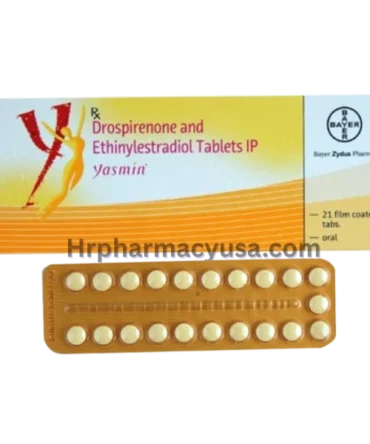
- Yaz (Drospirenone/Ethinylestradiol)
- Ovral L Tablet (Ethinyl Estradiol/Levonorgestrel)
- Progynova 1 mg (Estradiol)
- Progynova 2 mg (Estradiol)
- Crisanta LS (Ethinylestradiol/Drospirenone)
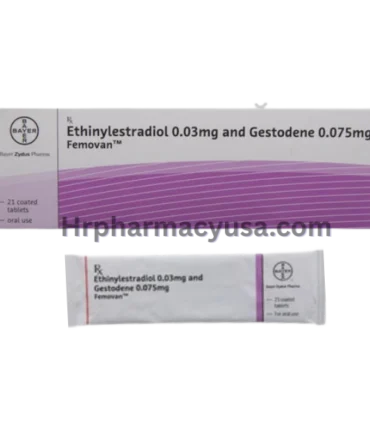
- Femovan (Ethinyl Estradiol/Gestodene)
- Ethinyl estradiol 0.02 mg / Drospirenone 3 mg tablets (often sold in 28-day packs with reminder tablets)
- Ethinyl estradiol 0.03 mg / Drospirenone 3 mg tablets (a higher estrogen dose version of the same progestin)
If you are unsure which strength you were prescribed, check the label or ask a pharmacist.
FAQs for Crisanta Contraceptive Pills
Can I use Crisanta to delay or skip my period?
Some people use certain pill packs continuously, but it should be done only with prescriber guidance because pack types differ, and spotting can be an issue.Is Crisanta safe to take while breastfeeding?
It depends on the timing after delivery and milk supply, as well as personal risk factors. Ask your OB-GYN or prescriber for a breastfeeding-specific recommendation.How soon can I start Crisanta after having a baby or after a miscarriage?
Start timing varies based on clot risk, breastfeeding status, and your health history. Your clinician can give a clear start date and backup method plan.What if I throw up soon after taking my pill?
Vomiting can affect absorption. The safest next step is to follow the instructions in your package insert or contact a pharmacist for exact guidance.Will Crisanta show up on a drug test?
Standard workplace drug tests do not typically screen for contraceptive hormones, but testing panels vary. If you have concerns, ask the testing site what is included in their panel.| size | 21 Tablet/s, 42 Tablet/s, 63 Tablet/s |
|---|


Reviews
There are no reviews yet.