


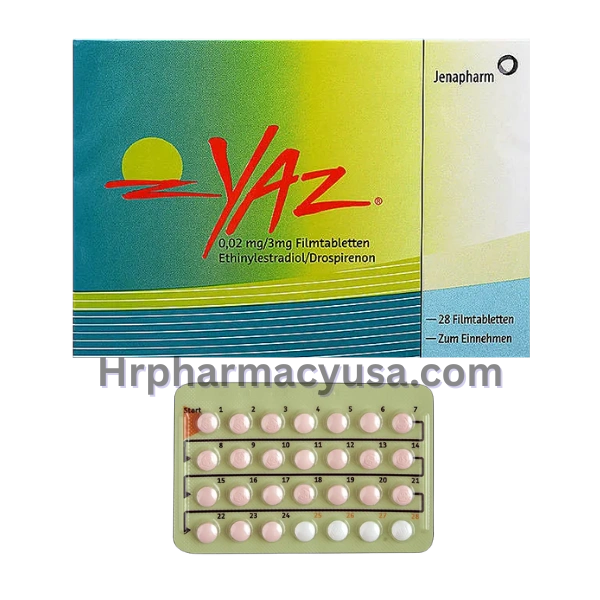
Yaz (Drospirenone/Ethinylestradiol)
Price range: $27.00 through $63.75
Yaz (Drospirenone/Ethinylestradiol) is a once-daily combined oral contraceptive used to help prevent pregnancy. Some people are prescribed it for PMDD symptoms or moderate acne when contraception is also desired. Most packs follow a 24 active pill and 4 inactive pill schedule. Take one tablet at the same time daily and follow the leaflet for missed pills. No STI protection. Ask your clinician about condoms.
| Active Ingredient: | Ethinylestradiol/Drospirenone |
|---|---|
| Indication: | Contraception |
| Manufacturer: | Bayer Zydus Pharma |
| Packaging: | 28 tablets in 1 strip |
| Strength: | 3mg/0.02mg |
| Delivery Time: | 6 To 15 days |
In Stock
About Yaz (Drospirenone/Ethinylestradiol)
Yaz (Drospirenone/Ethinylestradiol) is a prescription “combined birth control pill,” meaning it contains both an estrogen (ethinyl estradiol) and a progestin (drospirenone). People often look it up as “Yaz birth control,” “drospirenone ethinyl estradiol tablets,” or “24/4 birth control pill” because its pack is set up a little differently than the older 21/7 style.What Yaz is used for
The main reason Yaz is prescribed is pregnancy prevention. When taken as directed, combined oral contraceptives work by suppressing ovulation, thickening cervical mucus, and changing the uterine lining. Those effects make pregnancy much less likely. Yaz is also prescribed for certain other reasons in people who want oral contraception.Depending on the individual, a clinician may prescribe it for:
- PMDD (premenstrual dysphoric disorder), a severe form of premenstrual mood symptoms
- Moderate acne, when contraception is also desired
Not everyone is a good candidate for a combined pill, and not everyone responds the same way. If you are choosing a contraceptive mainly for acne or mood-related symptoms, it is worth talking through options carefully, since side effects and risks matter as much as potential benefits.
How the Yaz pack is laid out
Most Yaz packs follow a 28-day routine:
- 24 active tablets (contain hormones)
- 4 inactive tablets (do not contain hormones)
What people commonly notice after starting
Side effects can show up in the first weeks or months, even if you take the pill perfectly. Commonly reported effects include:- Nausea
- Headache
- Breast tenderness
- Bloating
- Mood changes
- Breakthrough bleeding
If you feel persistently unwell, or you notice mood changes that concern you, it is reasonable to reach out to your prescriber rather than waiting it out.
Important safety points
- Blood clot risk (serious): Combined hormonal contraceptives, including Yaz, can increase the risk of blood clots. The risk is higher in some people, including those who smoke cigarettes and are over age 35.
- Get urgent medical care if you notice clot warning signs:
-
- Chest pain
- Shortness of breath
- Coughing blood
- Sudden one-sided leg swelling or pain
- Sudden severe headache with neurologic symptoms
- Potassium levels can rise in some people; drospirenone may raise them. This matters more if you have kidney, liver, or adrenal problems, or if you take medications that can raise potassium. In some situations, a clinician may monitor labs.
- Not appropriate for everyone: Tell your prescriber if you have (or have had) any of the following:
-
- Blood clots
- Stroke
- Certain heart conditions
- Uncontrolled high blood pressure
- Migraine with aura
- Liver tumors or serious liver disease
- Hormone-sensitive cancers
Medication and supplement interactions
- Reduced effectiveness is possible: Some medications and supplements can reduce the effectiveness of hormonal birth control by altering hormone metabolism.
- Examples often discussed:
-
- Certain anti-seizure medicines
- Rifampin-like antibiotics
- St. John’s wort
- Practical tip: If you start a new prescription, over-the-counter medicine, or supplement, ask whether it interacts with oral contraceptives to help avoid unexpected breakthrough bleeding or reduced contraceptive reliability.
Available strength
Yaz active tablets (typical):
- drospirenone 3 mg / ethinyl estradiol 0.02 mg (usually in a 28-day pack with 24 active tablets and 4 inactive tablets)
Other drospirenone/ethinyl estradiol strengths available in the market (may be different products):
- Crisanta LS (Ethinylestradiol/Drospirenone)
- Femovan (Ethinyl Estradiol/Gestodene)
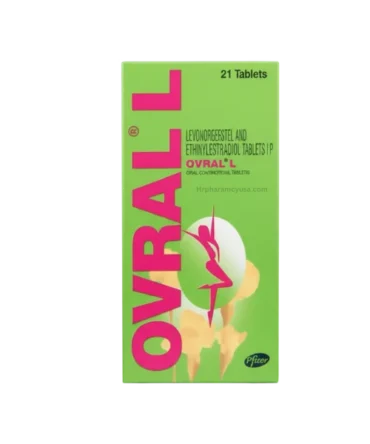
- Ovral L Tablet (Ethinyl Estradiol/Levonorgestrel)
- Progynova 1 mg (Estradiol)
- Progynova 2 mg (Estradiol)
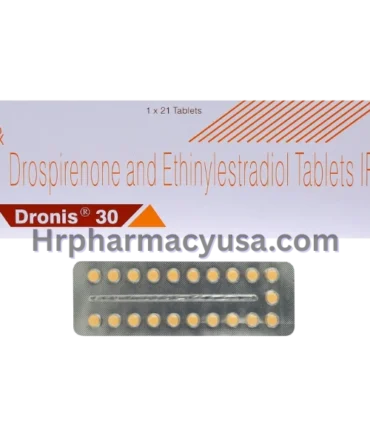
- drospirenone 3 mg / ethinyl estradiol 0.03 mg
- drospirenone 3 mg / ethinyl estradiol 0.02 mg with added folate in some formulations
Always confirm that the exact strength on the label matches your prescription.
FAQs About Yaz Contraception Tablets
1. Is there a generic version?
In many cases, yes. Availability can vary by supplier and state rules, and the tablet may look different. A pharmacist can confirm whether your prescription allows substitution.
2. How should I store it?
Store at room temperature, away from excess heat and moisture. Keep it in the original blister pack until use, so the days stay organized.
3. Can I take Yaz with food?
Many people take it with a small meal or snack if nausea is an issue. The most important thing is to take it consistently at the same time each day.
4. Should I stop Yaz before surgery or long immobilization?
Sometimes clinicians recommend stopping combined hormonal contraceptives before major surgery due to clot risk. Ask the surgeon and prescriber for a clear plan well in advance.
5. Will Yaz show up on drug tests?
Standard workplace drug screens do not test for contraceptive hormones. If you have a specialized athletic or medical test, ask the testing program what they measure.
| size | 28 Tablet/s, 56 Tablet/s, 84 Tablet/s |
|---|


Reviews
There are no reviews yet.