
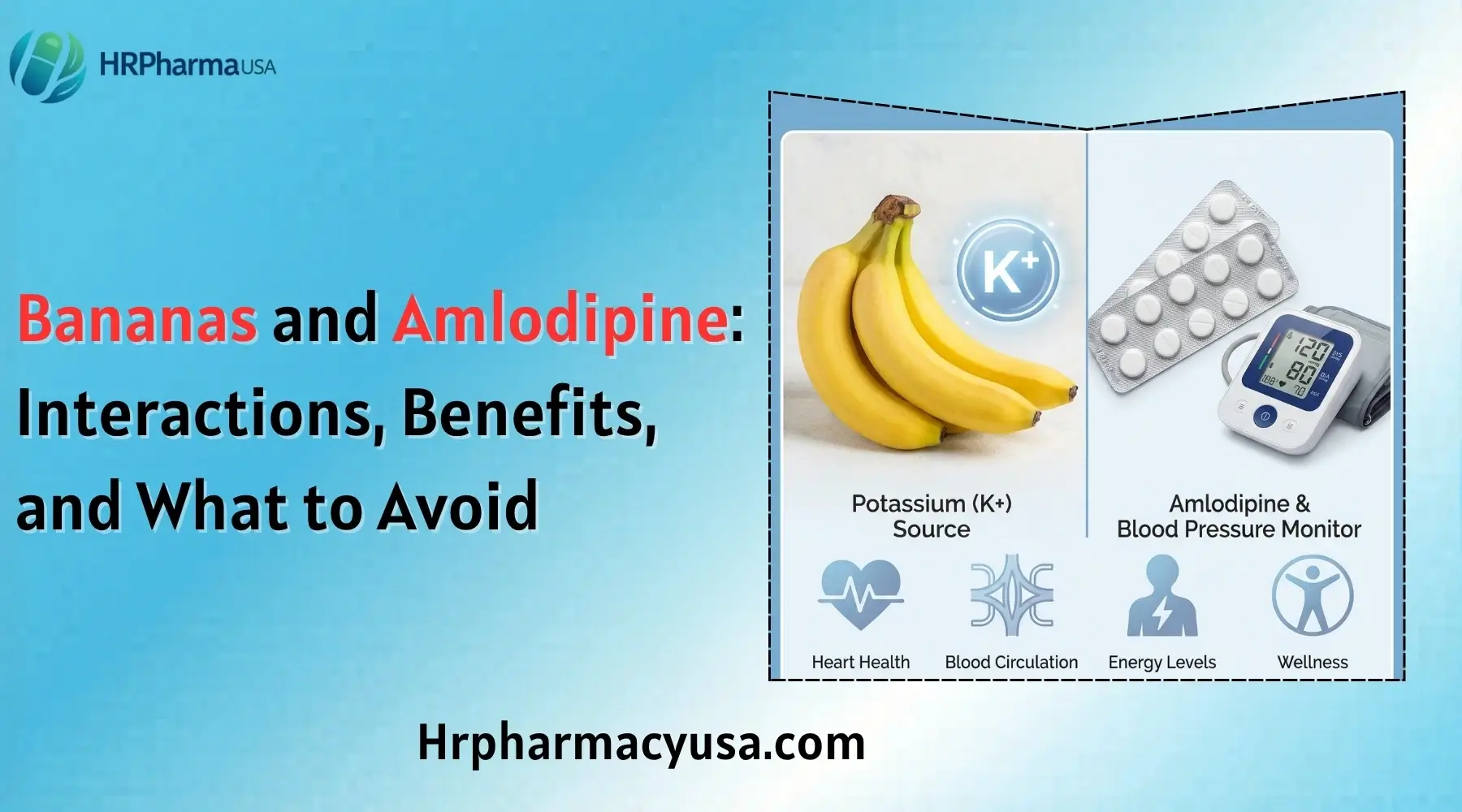
Amlodipine is a blood pressure medication in a group called calcium channel blockers. If that sounds technical, here’s the simple version: it helps your blood vessels relax and open up. When your vessels are less “clenched,” blood flows more easily—kind of like widening a busy highway so traffic stops piling up.
Why It’s Prescribed for Blood Pressure and Chest Pain
Doctors commonly prescribe amlodipine for:
- High blood pressure (hypertension) to reduce strain on the heart and arteries
- Chest pain (angina) by improving blood flow to the heart muscle
It’s usually taken once a day, and it tends to work steadily in the background—no drama, just consistent pressure control.
What’s Inside a Banana? (Nutrition Snapshot)
Bananas aren’t just a convenient snack—they’re basically nature’s “grab-and-go” carb plus mineral combo.
Potassium, Fiber, Magnesium, and Natural Sugars
A medium banana typically includes:
- Potassium (the big headline nutrient)
- Fiber (helps digestion and supports heart health)
- Vitamin B6 (involved in energy metabolism)
- Magnesium (supports muscle and nerve function)
- Natural sugars + carbs (quick energy, especially helpful if you’re active)
So the real question becomes: does any of this clash with amlodipine—or actually help you?
Can You Eat Bananas While Taking Amlodipine?
The Short, Practical Answer
For most people: yes, bananas are generally safe with amlodipine.
Bananas are not known to cause a dangerous or common drug–food interaction with amlodipine. In everyday life, many people take amlodipine and eat bananas regularly with zero issues.
Is There a Direct Drug–Food Interaction?
When people hear “banana” and “blood pressure meds” in the same sentence, they often think about potassium. That’s understandable—potassium gets talked about like it’s either a superhero or a villain.
What “Interaction” Really Means
A true drug–food interaction usually means the food changes:
- how your body absorbs the medication,
- A true drug–food interaction usually means the food changes how your body absorbs the medication, how your liver metabolizes it, or how strongly the medication acts in your system.
- how strongly the medication acts in your system.
Amlodipine does not significantly affect any of those factors when it comes to bananas.
Potassium Concerns: Are Bananas a Problem Here?
The potassium content is the aspect that causes the most concern, so let's clarify it.
Why Amlodipine Usually Isn’t the Culprit
Amlodipine does not typically raise potassium levels. It’s not a potassium-sparing diuretic, and it doesn’t usually push potassium upward the way some other blood pressure medications can.
So if you’re taking amlodipine alone, bananas are rarely an issue from a potassium standpoint.
When Potassium Can Become an Issue (The Real Scenarios)
Bananas can become a concern when potassium is already likely to run high—usually due to:
- Kidney disease (kidneys can’t clear potassium well)
- Other medications that raise potassium
- Potassium supplements or salt substitutes (often potassium chloride)
In those cases, it’s not “banana + amlodipine” that’s the problem—it’s “banana + everything else going on.”
Potential Benefits of Bananas for People Managing High Blood Pressure
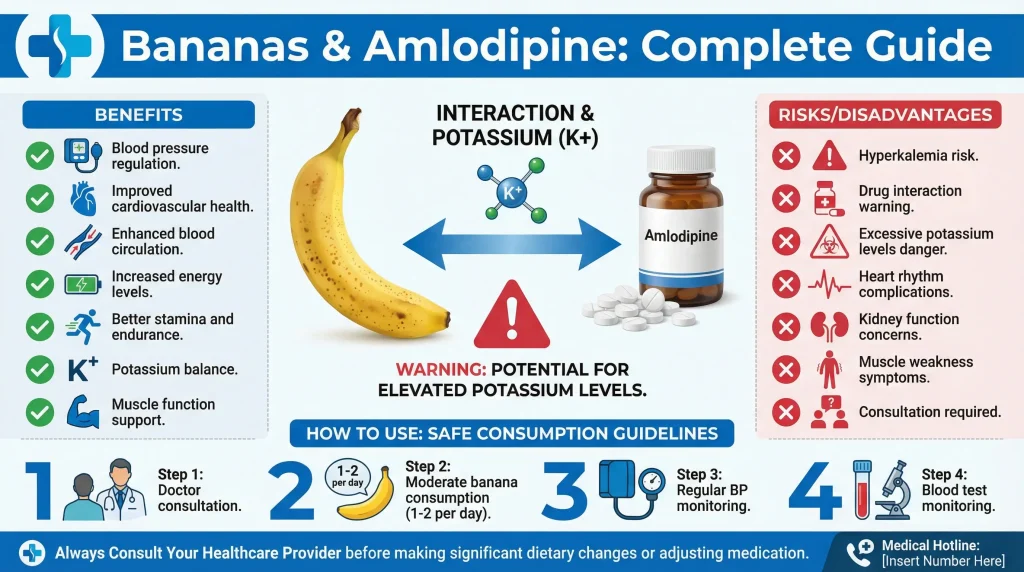
Bananas won’t replace medication. But they can support the bigger game plan—like adding solid players around your star quarterback, by providing essential nutrients such as potassium that can help manage blood pressure levels effectively.
Potassium and Blood Pressure: Helpful, Not Magical
Potassium helps balance sodium in the body and supports healthy blood vessel function. Diets rich in potassium-containing foods are often linked with better blood pressure outcomes.
But here’s the honest truth: potassium helps most when it’s part of an overall heart-smart diet, not when you “panic-eat” bananas after a salty meal.
Fiber for Heart Health and Cholesterol
Bananas contain soluble and insoluble fiber. Fiber can help:
- support healthy cholesterol levels,
- improve fullness (helpful for weight management),
- smooth out blood sugar spikes (especially when paired well—more on that soon).
If your blood pressure plan includes improving metabolic health, fiber is a quiet MVP.
Magnesium and Vascular Relaxation
Magnesium supports normal muscle and nerve function—including the smooth muscle in blood vessel walls. While bananas aren’t the highest-magnesium food out there, they do contribute.
Think of magnesium like oil in a hinge: it helps things move the way they’re supposed to, without sticking.
A “Swap” Strategy: Bananas vs. Salty Snacks
One of the most practical benefits of bananas is what they can replace. If a banana replaces the
- chips,
- instant noodles,
- processed meat snacks,
- or salty crackers,
…your blood pressure will probably thank you more than it would from the banana itself.
When to Be Cautious (Who Should Not Go Banana-Happy)
Most people can include bananas without stress. But a few groups should be more careful.
People with Chronic Kidney Disease (CKD) and those with Reduced Potassium Clearance should be more cautious.
If your kidneys aren’t working well, potassium can build up in the blood. In that case, bananas (and other high-potassium foods) may need limits.
Signs of High Potassium to Watch For
High potassium (hyperkalemia) can be silent, but possible symptoms include the following:
- unusual muscle weakness,
- tingling,
- nausea,
- irregular heartbeat or palpitations.
If you have kidney disease, please seek guidance based on your lab results rather than making assumptions.
If You Also Take Potassium-Raising Medications
This is where the “banana fear” often actually belongs—because some common meds raise potassium.
ACE Inhibitors and ARBs
Examples include medications like
- lisinopril (ACE inhibitor)
- losartan (ARB)
These can increase potassium for some people, especially with kidney issues or dehydration.
Potassium-Sparing Diuretics
Medications like spironolactone or amiloride are specifically designed to conserve potassium. Combine that with frequent bananas, supplements, or salt substitutes, and potassium can creep up.
Potassium Supplements and Salt Substitutes
Salt substitutes are a big gotcha. Many replace sodium with potassium chloride. If you are using a salt substitute and consuming high-potassium foods daily, it is easy to exceed the recommended potassium intake without realizing it.
If You’re on Multiple Blood Pressure Meds
Bananas don’t “boost” amlodipine directly, but if your overall blood pressure treatment is strong, you may notice more lightheadedness if your pressure dips.
Dizziness and Low Blood Pressure: The Stack Effect
If you combine:
- amlodipine,
- a diuretic,
- another vasodilator,
- alcohol,
- dehydration,
…you’ve essentially set yourself up for dizziness. It’s not the banana—it’s the whole tower wobbling.
Best Ways to Eat Bananas While on Amlodipine
How Much Is Reasonable?
For most healthy adults on amlodipine, one banana a day is typically reasonable as part of a balanced diet. Some people eat more without issue, but if you’re also eating lots of other potassium-rich foods (avocados, coconut water, and potatoes), moderation is smart.
If you have kidney disease or have been told your potassium runs high, your “reasonable” amount may be very different.
Timing: Should You Separate Banana and Amlodipine?
In general, you don’t need to separate them. Amlodipine can be taken with or without food, and bananas don’t meaningfully block absorption.
The only “timing” issue that matters is consistency: take amlodipine at the same time daily so blood levels stay steady.
Smart Pairings (What to Eat With a Banana for Stability)
Bananas are carb-forward. Pairing them well can help you feel better longer:
- Banana + Greek yogurt (protein + carbs)
- Banana + peanut/almond butter (healthy fats + protein)
- Banana + oats (fiber for a slower rise in blood sugar)
If you’ve ever eaten a banana alone and felt hungry again 30 minutes later, that’s why. Pair it like you’re building a more stable “fuel mix.”
What to Avoid (Food, Drinks, and Habits That Matter More)
If you want the big wins while taking amlodipine, these matter more than bananas.
Grapefruit and grapefruit juice are well-known for causing significant interactions with amlodipine.
Grapefruit is the classic troublemaker for many medications—including amlodipine for some people.
Why Grapefruit Changes Drug Levels
Grapefruit can interfere with enzymes (notably CYP3A4) that help break down certain drugs. That can lead to higher amlodipine levels, which might increase side effects like the following:
- swelling (especially ankles),
- flushing,
- dizziness,
- headaches.
Not everyone reacts the same, but it’s one of the most common food cautions given with amlodipine. If you love grapefruit, ask your clinician or pharmacist what’s appropriate for your dose and situation.
Alcohol: The Sneaky Blood-Pressure Dropper
Alcohol can widen blood vessels and lower blood pressure in the short term—exactly what amlodipine is also doing. Together, they can amplify the following:
- dizziness,
- lightheadedness,
- a faint feeling when standing up.
If you drink, keep it moderate and pay attention to how you feel—especially when starting or increasing your dose.
High-Sodium Foods That Undermine Your Meds
Amlodipine helps your vessels relax, but high sodium makes your body hold onto water, increasing blood volume and pressure. It’s like pressing the gas and the brake at the same time.
The “Salt Sponge” Effect
Processed foods can act like a salt sponge:
- deli meats
- canned soups
- fast food
- frozen meals
- sauces (soy sauce, bottled dressings)
If your blood pressure isn’t improving the way you hoped, sodium is often the hidden reason.
Licorice, Energy Drinks, and Stimulants
- Licorice (real licorice root) can raise blood pressure in some people.
- Energy drinks and high caffeine can spike heart rate and pressure and may make palpitations more noticeable.
If you ever think, “Why do I feel weird on this medication?” look at the stimulant intake first.
NSAIDs (Like Ibuprofen): A Common Blood Pressure Saboteur
Regular use of NSAIDs (ibuprofen and naproxen) can raise blood pressure for some people and may strain kidneys—especially if you’re already managing hypertension.
Occasional use may be fine for many, but frequent use is worth discussing with a clinician.
Supplements and herbs can complicate treatment.
St. John’s Wort
This herb can speed up the breakdown of some medications, potentially reducing effects. It’s one of those “natural” products that can still move the needle in a big way.
High-Dose Magnesium or Potassium Products
Normal food amounts are one thing. High-dose supplements are another. If you’re stacking:
- potassium supplements,
- electrolyte powders,
- salt substitutes,
- and high-potassium foods,
…you can drift into risky territory, especially with kidney issues or certain medication combinations.
Side Effects: What’s Normal, What’s Not
Common Amlodipine Side Effects
Some side effects, such as ankle or foot swelling, are relatively common, especially during the initial stages of treatment.
- ankle/foot swelling
- flushing
- headache
- dizziness
- fatigue
Food choices can support overall health, but they won’t always “fix” medication side effects.
When Food Won’t Fix It (But You Should Act)
If you feel that something is wrong, don’t try to compensate by eating more bananas.
Swelling, Palpitations, and Severe Dizziness
Contact a clinician promptly if you notice:
- sudden or severe swelling,
- fainting,
- chest pain that’s new/worse,
- irregular heartbeat or severe palpitations.
Common Myths (Clearing Up Confusion)
“Bananas Cancel Out Blood Pressure Meds”
Nope. Bananas don’t “neutralize” amlodipine. If your blood pressure changes, it’s more likely due to overall diet, sodium, hydration, stress, sleep, or medication adherence.
“Potassium Is Always Dangerous on BP Pills”
Also false. Potassium is essential. The risk depends on:
- kidney function,
- medication combinations,
- supplement use,
- and lab values.
“If It’s Natural, It Can’t Interact”
Grapefruit, licorice root, and St. John’s wort are all natural—and all can cause real issues in the right context. Nature is powerful; that’s the point.
A Simple Checklist for Everyday Use
Quick Do’s and Don’ts
Do:
- Eat bananas in reasonable portions as part of a balanced diet.
- Focus on overall sodium reduction for better BP control
- Stay consistent with your amlodipine schedule
- Ask about potassium if you have kidney disease or take ACE inhibitors/ARBs.
Don’t:
- Assume all “heart-healthy” supplements are automatically safe
- Combine grapefruit habits with amlodipine without guidance
- Ignore persistent dizziness, swelling, or palpitations.
- Overuse salt substitutes without checking what’s in them
When to Call Your Clinician
Check in if:
- You've been told your potassium is high,
- your kidney function is reduced,
- You're adding a new supplement/electrolyte powder.
- You're getting frequent dizziness or swelling,
- Your blood pressure readings swing unexpectedly.
Conclusion
For most people, bananas and amlodipine can coexist just fine—no dramatic interaction, no need to avoid bananas out of fear. The key is to maintain a balanced diet, exercise caution with grapefruit, alcohol, and certain supplements, and be particularly vigilant if you have kidney disease or are taking other medications that increase potassium levels. Think of amlodipine as the steady engine and your diet as the road—bananas can fit on that road, but salty processed foods and sneaky interactions are the potholes to avoid.
FAQs
Can I eat a banana right after taking amlodipine?
Yes. Most people don’t need to separate bananas and amlodipine. Amlodipine can be taken with or without food, and bananas don’t meaningfully interfere with it.
Do bananas make amlodipine side effects worse?
Usually not. Banana intake doesn’t typically worsen common amlodipine side effects like ankle swelling or flushing. If side effects are bothersome, it’s more likely dose-related or individual sensitivity.
If I’m on amlodipine and losartan, should I limit bananas?
Possibly. Losartan (an ARB) can raise potassium for some people. Many can still eat bananas, but if your potassium runs high or you have kidney issues, you may need portion guidance from your clinician.
Is grapefruit really worse than bananas with amlodipine?
Yes, grapefruit is the more recognized concern because it can increase amlodipine levels in the body and raise the chance of side effects in some people.
What’s a safer alternative if I’ve been told to limit potassium?
Lower-potassium snack options can include apples, berries, grapes, pineapple, or rice cakes (depending on your overall nutrition needs). If potassium restriction is due to a medical condition, such as chronic kidney disease ( CKD), ask for a personalized food list based on your lab results.