



What is an Autoimmune Disease?
Before diving into whether asthma is considered an autoimmune disease, it’s essential to understand what an autoimmune disease is. Autoimmune diseases occur when the body’s immune system, which is responsible for protecting us from harmful invaders like bacteria and viruses, mistakenly attacks the body’s own healthy tissues and organs. This malfunction can cause inflammation, tissue damage, and a wide range of symptoms, depending on which part of the body is affected. Some well-known autoimmune diseases include rheumatoid arthritis, lupus, and multiple sclerosis. These conditions often involve chronic inflammation and can lead to long-term damage if not treated properly.How Does Asthma Affect the Body?
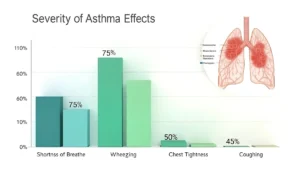
Asthma is primarily a respiratory condition, causing inflammation and narrowing of the airways in the lungs. This can make breathing difficult, especially during an asthma attack. The primary symptoms of asthma include wheezing, shortness of breath, chest tightness, and coughing. Asthma is often triggered by various environmental factors, including allergens like pollen, pet dander, and dust mites, as well as respiratory infections, cold air, or even exercise. While asthma is not traditionally classified as an autoimmune disease, it does involve the immune system in complex ways. To better understand this, let’s break down the immune system’s role in asthma.Asthma and the Immune System: Is There a Connection?
Asthma involves the immune system, but its mechanism is different from the one seen in autoimmune diseases. In asthma, the immune system overreacts to harmless substances (such as pollen or dust), mistaking them for harmful invaders. This results in an inflammatory response, which leads to the constriction of the airways, making it harder for air to flow into the lungs. The immune system’s role in asthma is more about an exaggerated immune response to environmental triggers rather than an attack on the body’s own tissues. The immune cells involved in asthma, such as mast cells, eosinophils, and T-cells, release chemicals that cause inflammation in the airways. This inflammation is a key factor in the symptoms of asthma, but it is not the same as the body attacking its own tissues as in autoimmune diseases.The Difference Between Asthma and Autoimmune Diseases
While asthma and autoimmune diseases both involve the immune system, they differ in significant ways. Here are a few of the main distinctions:1. Nature of the Immune Response
- Autoimmune Diseases: In autoimmune diseases, the immune system attacks the body's own healthy tissues, leading to chronic inflammation and potential organ damage.
- Asthma: In asthma, the immune system overreacts to environmental triggers but does not attack the body’s own tissues. Instead, it causes inflammation in the airways, leading to difficulty breathing.
2. Triggers and Causes
- Autoimmune Diseases: The exact cause of autoimmune diseases is not well understood, but genetic factors, infections, and environmental triggers may contribute to their development.
- Asthma: Asthma is often triggered by environmental factors like allergens, respiratory infections, or physical exertion. While genetic factors play a role, asthma is not the result of the immune system attacking the body’s tissues.
3. Treatment Approaches
- Autoimmune Diseases: Treatments for autoimmune diseases typically involve immunosuppressive drugs that suppress the immune system’s activity and reduce inflammation.
- Asthma: Asthma treatment focuses on managing inflammation in the airways using medications like inhalers (bronchodilators and corticosteroids), and avoiding triggers.
Is Asthma an Autoimmune Disease?
Given the differences outlined above, it’s clear that asthma is not classified as an autoimmune disease. However, the immune system’s involvement in asthma does show some overlap with autoimmune conditions. Asthma is considered an allergic disease rather than an autoimmune one. While asthma shares certain immune system elements with autoimmune diseases, such as inflammation and immune cell activation, it does not involve the immune system attacking the body’s own tissues. Instead, the immune system reacts to external allergens or triggers, leading to airway inflammation. In summary, asthma is a chronic inflammatory disease of the airways caused by an exaggerated immune response to environmental factors. It is not classified as an autoimmune disease because it does not involve the body’s immune system attacking itself.Risk Factors for Asthma
 Understanding the risk factors for asthma can help you manage the condition better. Here are some common risk factors:
- Genetics: A family history of asthma or allergies increases the likelihood of developing asthma.
- Environmental Triggers: Exposure to allergens like dust mites, pet dander, and mold can trigger asthma symptoms.
- Respiratory Infections: Severe respiratory infections during childhood can increase the risk of asthma.
- Exposure to Air Pollution: Living in areas with high air pollution or tobacco smoke can increase the risk of developing asthma.
Managing Asthma Effectively
While asthma cannot be cured, it can be managed effectively with the right approach. Here are some tips for managing asthma:- Use Medication: Follow your doctor’s recommendations for inhalers and other medications.
- Avoid Triggers: Identify and avoid environmental triggers that worsen your symptoms.
- Stay Active: Engage in regular exercise to strengthen your lungs and overall health.
- Create an Asthma Action Plan: Work with your doctor to develop a plan for managing your asthma and knowing what to do during an asthma attack.
FAQs About Asthma and Autoimmune Diseases
- Is asthma an autoimmune disease?
- No, asthma is not classified as an autoimmune disease. It is an allergic disease that involves the immune system’s overreaction to external triggers, such as allergens or irritants, but does not involve the immune system attacking the body’s own tissues.
- Can asthma lead to autoimmune diseases?
- Asthma does not directly lead to autoimmune diseases. However, people with asthma may be at a higher risk for other immune-related conditions, though this does not mean asthma itself causes autoimmune diseases.
- What are the common autoimmune diseases?
- Some common autoimmune diseases include rheumatoid arthritis, lupus, multiple sclerosis, and type 1 diabetes. These diseases involve the immune system attacking healthy cells in the body.
- Can asthma be cured?
- Asthma cannot be cured, but it can be managed effectively with the right medications, lifestyle changes, and avoidance of triggers. Regular medical checkups are essential for managing the condition.
- How does asthma differ from other immune diseases?
- Asthma involves inflammation in the airways due to immune system overreaction to external triggers, whereas autoimmune diseases involve the immune system attacking the body’s own tissues. The causes and treatments for these conditions differ significantly.