


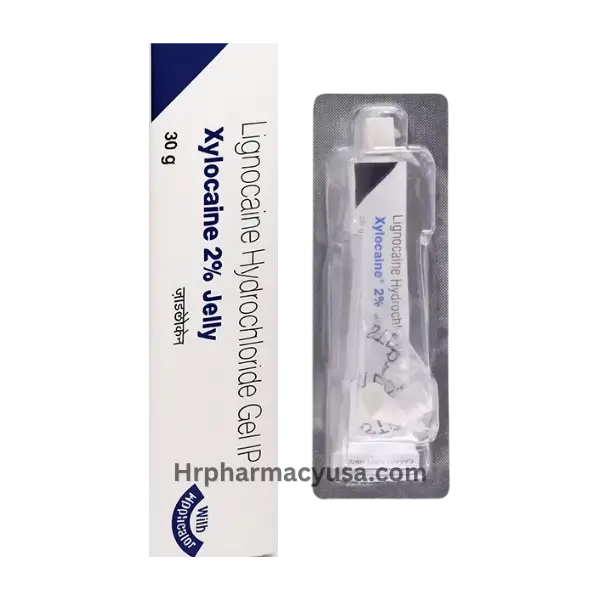
Lidocaine Jelly (Generic)
Price range: $5.99 through $32.97
Lidocaine jelly (generic) is a topical numbing medicine used to temporarily reduce discomfort on sensitive skin or mucous membranes. It’s often used before minor medical procedures, with catheter placement, or to ease irritation in delicate areas when a clinician recommends it. The jelly texture spreads easily and helps provide localized anesthesia without making you feel “drugged” overall.
| Active Ingredient: | Lidocaine |
|---|---|
| Indication: | Local Anaesthesia |
| Manufacturer: | German Remedies Private Ltd |
| Packaging: | 30 gm jellies in 1 pack |
| Strength: | 2% |
| Delivery Time: | 6 To 15 days |
In Stock
Info About Lidocaine Jelly (Generic)
Lidocaine jelly (generic) is a local anesthetic that helps numb a specific area for short-term comfort. It works by blocking nerve signals in the area where it’s applied, so pain signals do not travel as strongly. Because it acts locally, it’s commonly used when a targeted numbing effect is needed rather than whole-body pain control. This product is widely used in clinical settings and at home when a healthcare professional has advised it. Common uses include reducing pain during small skin procedures, relieving discomfort from irritation on sensitive areas, and assisting with certain urologic tasks like inserting a catheter. Lidocaine jelly is sometimes chosen instead of a cream because the jelly consistency can spread smoothly and provide a more even coating, especially on moist surfaces.How it’s typically used
Lidocaine jelly is applied in a thin layer to the affected area, only on the surface it’s intended for. The exact amount and how often to apply it depends on where it’s being used and why. For example, use on intact skin is different than use on mucous membranes, and medical procedures may require clinician-directed application. If your prescription label or clinician instructions differ from general guidance, follow those directions. A few practical points matter with numbing products:- Use the smallest amount that gets the job done. Using more does not always mean better results, and it can raise the risk of side effects.
- Avoid large areas and prolonged use unless a clinician specifically tells you to do so.
- Be careful with heat and occlusive coverings (tight bandages or plastic wrap), which can increase absorption.
- Keep it away from eyes unless you were specifically given a product and instructions for ophthalmic use (most are meant for topical use).
Safety notes people often overlook:
Because lidocaine can be absorbed through skin and mucous membranes, side effects are possible, especially if too much is used or it’s used too often. Mild effects can include temporary irritation, redness, or a burning or tingling sensation at the application site. More serious reactions are uncommon but important to recognize, such as dizziness, ringing in the ears, unusual drowsiness, blurred vision, irregular heartbeat, tremors, or seizures. Seek urgent care if severe symptoms occur. Allergy is another consideration. True lidocaine allergy is not common, but it can happen. If you’ve had an allergic reaction to lidocaine or other local anesthetics in the “amide” family, you should not use it unless a clinician confirms it’s safe. Use extra caution if the area is broken, severely irritated, or infected, since absorption may increase. Also let a clinician know if you have significant heart rhythm problems, severe liver disease, or if you’re using antiarrhythmic medicines. These factors can change risk.Available strengths and dosage forms
Lidocaine jelly is most commonly available in the form of Lidocaine HCl Jelly 2% (20 mg/mL).- Lidocaine HCl Jelly 2% (20 mg/mL)
- Lidocaine topical gel 4% (availability varies)
- Lidocaine viscous solution 2% (often for mouth/throat use when prescribed)
- Lidocaine ointment 5%
- Lidocaine cream (commonly 4%)
- The Lidocaine patch 5% is a different format specifically designed for localized pain relief.
Substitute options already on the market
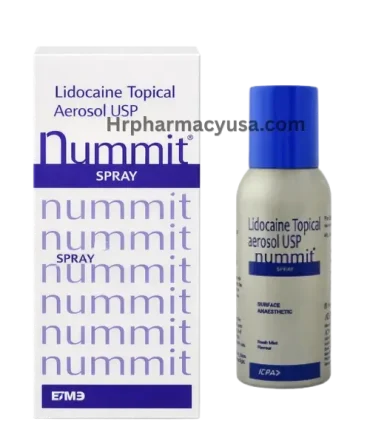
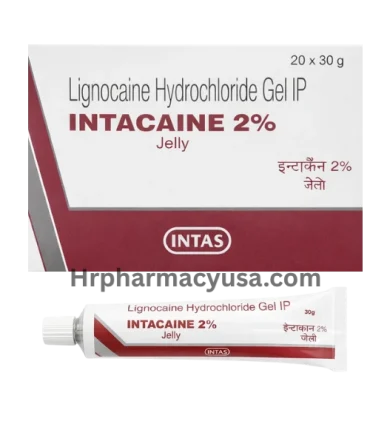
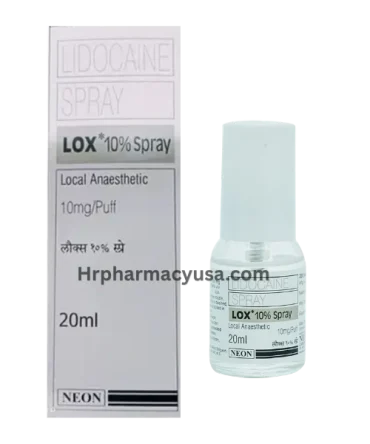
If Lidocaine Jelly (Generic) is not a fit, clinicians sometimes choose alternatives based on the body area and the goal (numbing vs. pain relief vs. procedure support). Common substitutes include:- Lidocaine 2% Gel 30g (Generic)
- Uro-Jet 2% (lidocaine jelly presentation commonly used for urologic applications)
- Lidocaine viscous 2% (different texture and intended uses)
- Lidocaine ointment 5% (thicker, more occlusive)
- Prilocaine/lidocaine cream (EMLA) (often used for skin numbing before needle procedures)
- Benzocaine topical products (a different anesthetic; not interchangeable for everyone)
FAQs about Lidocaine Jelly (Generic)
1. How fast does Lidocaine Jelly (Generic) work, and how long does it last?
Onset and duration vary by application site and amount used. Many people notice numbing within minutes. The effect often lasts around 30 to 60 minutes, sometimes longer on mucous membranes. If you feel you need frequent reapplication, ask a clinician before doing so.2. Is Lidocaine Jelly (Generic) sterile?
Some products are labeled sterile, especially certain prefilled syringes intended for procedural or urethral use. Others are not. Check the package labeling carefully and use it only for the route it’s intended for.3. Can I use Lidocaine Jelly (generic) during pregnancy or breastfeeding?
This is a common question, and the safest answer depends on where it’s applied, how much is used, and how often. Lidocaine is sometimes used in pregnancy when clearly needed, but you should confirm with a clinician for your specific situation.4. Will Lidocaine Jelly (Generic) damage latex condoms or dental dams?
It might, depending on the ingredients and lubricating base. Some topical products can weaken latex or increase break risk, particularly those containing oil-based ingredients, which can compromise the integrity of latex condoms or dental dams. If contraception or STI prevention is a concern, check the product labeling or ask a pharmacist which barrier types are compatible.5. What’s the best way to store it?
Store at a controlled room temperature and keep the cap tightly closed. Avoid excessive heat, and do not freeze unless the label specifically says it’s allowed. Discard it if the texture or smell changes noticeably or if it’s past the expiration date.| size | 1 Jelly, 3 Jelly, 6 Jelly |
|---|


Reviews
There are no reviews yet.