


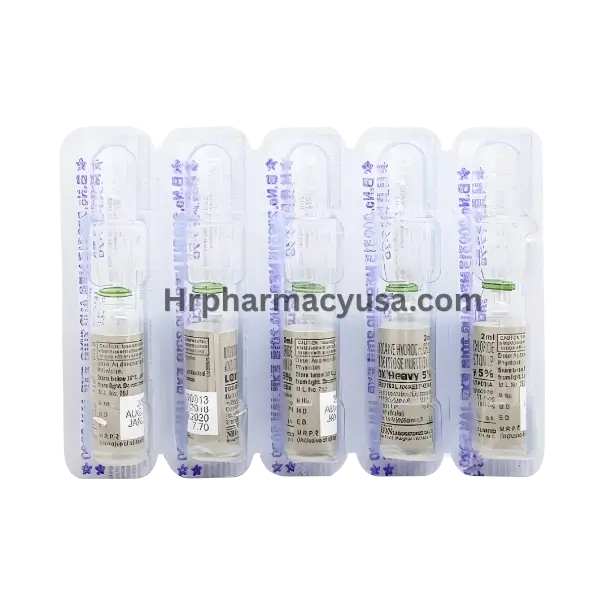
Lidocaine Heavy Injection (Generic)
Price range: $7.99 through $28.97
Lidocaine Heavy Injection (Generic) is a prescription local anesthetic used by anesthesiology professionals to create numbness, most often for spinal anesthesia during certain short procedures. “Heavy” usually means the solution is made hyperbaric (often with dextrose) to help control its spread in the spinal fluid. It’s administered in a monitored clinical setting, not for self-use.
| Active Ingredient: | Lidocaine |
|---|---|
| Indication: | Local anesthesia (Numb tissues in a specific area), Arrhythmias |
| Manufacturer: | Neon Laboratories |
| Packaging: | 2ml in Ampoule |
| Strength: | 2ml |
| Delivery Time: | 6 To 15 days |
In Stock
Info About Lidocaine Heavy Injection (Generic)
Lidocaine Heavy Injection (Generic) is a pain-relieving medicine given by a doctor that temporarily stops nerve signals to reduce or completely eliminate pain and feeling in a specific area. When you see the word “heavy,” it typically refers to a hyperbaric formulation, meaning the solution is denser than spinal fluid. In practice, that density can help the anesthesiologist guide where the medication settles when used for spinal anesthesia. This product is generally used in procedure-based care, not day-to-day home treatment. It may be chosen for cases where a predictable, relatively fast-onset numbing effect is needed, often involving the lower half of the body. The exact use depends on the formulation and how the prescriber plans to administer it, such as whether it is intended for injection, topical application, or another method of delivery.What it’s used for
Lidocaine is a well-known local anesthetic in medical and surgical settings. Depending on the specific product and route, it can be used for:- Spinal anesthesia (intrathecal use) for certain short procedures involving the lower abdomen, pelvis, or legs, when a hyperbaric (“heavy”) solution is appropriate.
- Local or regional anesthesia in other settings when lidocaine injection (non-heavy formulations) is used to numb tissue or block nerves.
How it works
Lidocaine blocks sodium channels in nerve tissue. When those channels are blocked, nerves cannot send pain signals normally. That is what creates numbness and, depending on the dose and placement, temporary loss of sensation and movement in the affected region.How it’s given
This medication is administered by trained healthcare professionals. For spinal use, the injection is placed in the appropriate space using sterile techniques and monitoring. Dosing is not “one-size-fits-all.” It depends on factors such as the type of procedure, the desired level of numbness, body size, and the clinician's judgment.Available strengths
Availability can vary by supplier and manufacturer, and labeling can differ, but these are common lidocaine injection strengths people often encounter in clinical care: Heavy (hyperbaric) formulations used for spinal anesthesia may include:- Lidocaine 5% (50 mg/mL) in dextrose (often referenced as “heavy”)
- 0.5% (5 mg/mL)
- 1% (10 mg/mL)
- 2% (20 mg/mL) Some products are also available with epinephrine to help reduce bleeding and slow absorption in certain local uses (not the same as “heavy” spinal formulations).
Side Effects of Lidocaine Heavy Injection
Side effects depend on dose, route, and individual sensitivity. Some effects may be expected with spinal anesthesia, while others are warning signs. More common or procedure-related effects may include the following:- Low blood pressure, lightheadedness
- Nausea
- Headache (including spinal headache in some cases)
- Temporary numbness, heaviness, or weakness in the lower body
- Trouble breathing, facial or throat swelling, hives (possible allergy)
- Seizure, confusion, severe dizziness
- Chest pain, fainting, irregular heartbeat
What to tell your clinician before it’s used
It’s important to share your health and medication history, especially the following:- Past reactions to lidocaine or other “-caine” anesthetics (especially amide-type local anesthetics)
- Heart rhythm problems or significant heart disease
- Liver disease (lidocaine is largely processed by the liver)
- Seizure history
- Current medication list, including antiarrhythmics and other drugs that may affect heart rhythm or lidocaine levels
Substitutes and alternatives
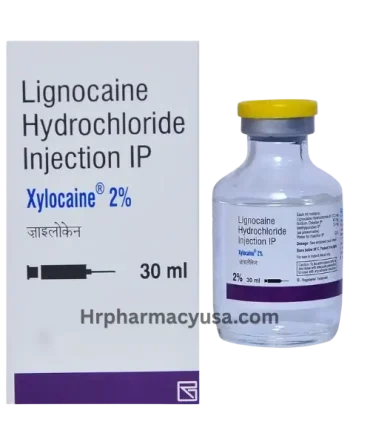
Your clinician may consider other anesthetics depending on the procedure and availability. Common alternatives include:- Xylocaine (availability depends on the specific presentation)
- Lidocaine HCl Injection USP (standard, non-heavy lidocaine injection in 0.5%, 1%, or 2%)
- Anawin 0.25% Inj. (Bupivacaine)
- Anawin (Bupivacaine)
- Anawin Heavy 5 Mg Inj. (Bupivacaine)
- Bupivacaine spinal (often used when a longer duration is needed)
- Chloroprocaine (sometimes used for short spinal anesthesia cases)
- Tetracaine (another spinal anesthetic option in certain settings)
FAQs
1. Is heavy-dose lidocaine injection (generic) the same as topical lidocaine cream or patches?
No. Topical products are made for skin-level numbing. “Heavy” injection products are intended for clinician-controlled injection use and may be formulated specifically for spinal anesthesia.2. Does this medication contain preservatives?
It depends on the manufacturer and the exact vial presentation. Some injectable anesthetics are preservative-free for certain uses. Always verify the package labeling or ask the dispensing pharmacy.3. Can I use Lidocaine Heavy Injection (Generic) at home for pain relief?
No. This is a prescription injection used in monitored medical settings. Using injectable anesthetics without proper training and monitoring can be dangerous.4. What if I had a reaction to “Novocain” at the dentist years ago?
“Novocain” usually refers to procaine (an ester anesthetic), which is different from lidocaine (an amide anesthetic). Past reactions should still be taken seriously. Tell your clinician exactly what happened so they can assess whether it's an allergy or a side effect.5. How should unopened vials be stored?
Storage conditions vary by manufacturer (temperature range, light protection, and whether freezing is allowed). Follow the vial/carton instructions and pharmacy guidance for the specific product you receive.| size | 10 Injection/s, 20 Injection/s, 5 Injection/s |
|---|



Reviews
There are no reviews yet.