KZ Cream - My Journey with This Antifungal Treatment
When my dermatologist first prescribed KZ cream for my stubborn scalp condition, I'll be honest - I had no idea what I was getting into. After months of trying different shampoos and home remedies that barely made a dent, I was pretty skeptical about yet another cream. But now, eight months later, I can say this stuff actually changed my life. Let me share what I wish someone had told me before I started using it.
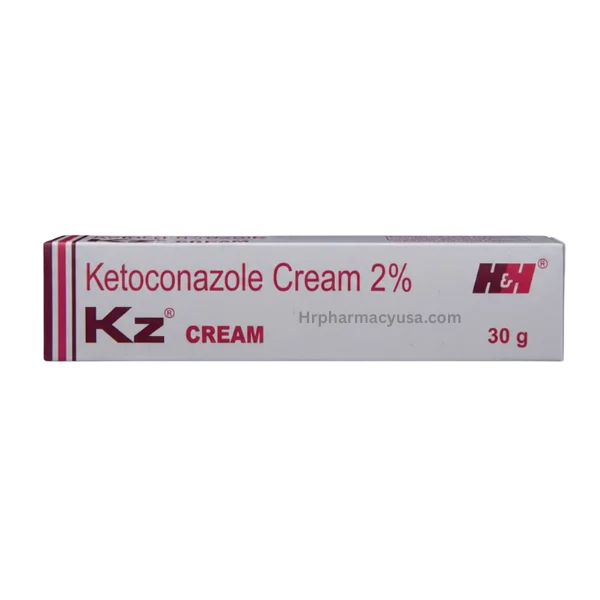
What exactly is KZ cream anyway?
So KZ cream is basically this prescription
antifungal medication that contains ketoconazole as its main ingredient. Think of ketoconazole as this tough guy that goes after fungal infections - it's the same stuff they put in some of those medicated shampoos you see at the pharmacy, but in cream form it's way more concentrated and targeted.
The way my doctor explained it was pretty straightforward - fungal infections on your skin are like weeds in a garden. You can cut them back, but unless you kill the roots, they keep coming back. That's where KZ cream comes in - it actually kills the fungus instead of just treating the symptoms.
My backstory with this cream
About a year ago, I started getting these weird, scaly patches on my scalp. At first, I thought it was just dandruff getting worse, so I tried every anti-dandruff shampoo on the market. Head & Shoulders, Selsun Blue, that expensive tea tree oil stuff - nothing worked.
The patches kept spreading, and honestly, it was getting embarrassing. I work in sales, so I'm meeting clients all day, and I was constantly worried about flakes on my shoulders or visible patches when the wind blew my hair around.
Finally, my girlfriend basically dragged me to a dermatologist. Dr. Martinez took one look and said, "This looks like seborrheic dermatitis with a fungal component. We need something stronger than over-the-counter shampoos."
That's when she prescribed KZ cream and explained that I'd need to use it consistently for several weeks to see real results.
The first two weeks - managing expectations
Here's the reality check nobody gives you - antifungal treatments don't work like magic. The first week, I was applying this cream to my scalp every night, expecting to wake up with perfect skin.
Week 1 experience:
- Day 1-3: The cream felt cooling, which was nice, but no visible changes
- Day 4-5: Maybe slightly less itching? Hard to tell if it was real or wishful thinking
- Day 6-7: Definitely less scratching at night, but patches still looked the same
I almost gave up after day 5 because I wasn't seeing the dramatic improvement I expected. Thank god I called the doctor's office, and the nurse explained that fungal infections take time to clear up completely.
Week 2 breakthrough: This is when things started getting interesting. The scaling was noticeably less, and the redness was starting to fade. More importantly, I wasn't waking up with an itchy scalp every morning.
Learning the proper application technique
Nobody really explains how to use this stuff effectively. Through trial and error (and a follow-up appointment), I figured out the routine that actually works:
My evening routine:
- Wash hair with regular shampoo, rinse thoroughly
- Towel dry until hair is just damp, not soaking
- Part hair in sections to expose the affected scalp areas
- Apply thin layer of KZ cream directly to the patches
- Gently massage in with fingertips (not fingernails!)
- Leave it on overnight
- Wash out in the morning with regular shampoo
Key mistakes I made initially:
- Applying to wet hair (dilutes the cream)
- Using too much cream (more isn't better)
- Not parting my hair properly to reach the scalp
- Trying to wash it out too soon
The game-changer was learning to section my hair properly. I bought one of those rat-tail combs, and it made targeting the affected areas so much easier.
Beyond scalp issues - other uses I discovered
About three months into treatment, I developed this itchy rash in my groin area. Probably TMI, but it was driving me crazy, especially during workouts. I mentioned it to my doctor, and she said I could try using the KZ cream there too.
Worked like a charm. Within a week, the itching was gone, and the rash cleared up completely. That's when I learned that ketoconazole treats various fungal infections, not just scalp problems.
I've since used it for:
- A small patch of ringworm I picked up from my gym
- Some weird fungal thing between my toes during a particularly humid summer
- A stubborn rash under my arms that regular deodorant seemed to make worse
The side effects reality check
The prescription info sheet listed all these scary potential side effects, but here's what actually happened to me:
Mild stuff I experienced:
- Slight burning sensation for the first few minutes after application (went away after the first week)
- My scalp felt a bit dry and tight in the mornings
- Occasional mild headache (though this might have been unrelated)
- The treated areas looked slightly red for the first few days
Things that worried me but were normal:
- Increased flaking during the second week (doctor said this was dead skin cells shedding)
- Hair felt a bit different texture-wise for a while
- Some areas looked worse before they looked better
Serious stuff that didn't happen to me:
- No severe allergic reactions
- No major skin irritation beyond the initial mild redness
- No hair loss or thinning
The long-term maintenance game
Here's something I wasn't prepared for - even after the initial infection cleared up, I needed to keep using the cream occasionally to prevent it from coming back. My dermatologist explained that some people are just prone to these fungal issues, especially if you have oily skin or live in a humid climate.
Now I use KZ cream maybe once or twice a week as maintenance, and I haven't had a major flare-up in over six months. It's become part of my routine, like brushing my teeth.
My current maintenance routine:
- Use KZ cream 1-2 times per week on previously affected areas
- Switched to a ketoconazole shampoo for regular washing
- Keep the cream handy for any new suspicious patches
- Pay more attention to keeping my scalp clean and dry
Cost and insurance headaches
Let's talk money because this stuff isn't cheap. The first tube my insurance covered partially, so I paid about $25. When I needed a refill, suddenly insurance decided it wasn't "medically necessary" anymore, and the full price was like $80.
Money-saving tips I learned:
- Ask your doctor about generic ketoconazole cream - works the same, costs less
- Some pharmacies have discount programs for prescription creams
- Buy the larger tube if you're treating multiple areas - better value
- Check if your insurance covers it under dermatology benefits vs. general prescriptions
I also found out that some online pharmacies sell it for way less than my local CVS, but you have to make sure they're legitimate.
When to worry and call your doctor
Through my experience and talking to other people who've used this cream, here are the red flags to watch for:
Call your doctor if:
- Severe burning or stinging that doesn't go away after a few days
- Signs of allergic reaction (hives, swelling, difficulty breathing)
- The infection seems to be spreading despite treatment
- No improvement after 3-4 weeks of consistent use
- You develop a fever along with the skin condition
Don't panic about:
- Mild irritation in the first few days
- Temporary increase in flaking as dead skin sheds
- Slight redness around treated areas
- The condition looking worse before it gets better
Tips for better results that nobody mentions
Lifestyle changes that helped:
- Changed my pillowcase more frequently (every 2-3 days during treatment)
- Started using a separate towel just for my hair
- Avoided wearing hats or caps during the initial treatment period
- Cut back on hair products that might feed the fungus
Application tips:
- Keep the tube at room temperature - cold cream is harder to spread
- Use a small mirror to check that you're covering all affected areas
- Apply right before bed so it has maximum contact time
- Don't use other medicated products at the same time unless your doctor approves
The psychological side nobody talks about
Having a visible scalp condition really messed with my confidence. I was constantly checking mirrors, avoiding certain lighting, and declining invitations to outdoor events where wind might mess up my carefully styled hair.
The worst part was the constant worry about flakes on my clothes. I started wearing only light-colored shirts so any flakes wouldn't show, and I'd brush my shoulders obsessively before meetings.
Once the KZ cream started working and the condition improved, it was like a weight lifted off my shoulders. I didn't realize how much mental energy I was spending on worrying about my appearance until I didn't have to anymore.
What I'd tell someone starting KZ cream today
Be patient. This is the biggest thing. Fungal infections didn't develop overnight, and they won't disappear overnight either. Give it at least 3-4 weeks of consistent use before deciding it's not working.
Follow the routine religiously. Missing applications or not applying it properly will just extend your treatment time. Set phone reminders if you have to.
Don't stop too early. Even after the visible symptoms are gone, keep using it for another week or two to make sure you've killed all the fungus.
Keep a treatment diary. Take photos and notes about your progress. It's easy to forget how bad it was when you're feeling better.
Stock up. If it works for you, get a backup tube. Nothing's worse than running out on a weekend when pharmacies are closed.






Reviews
There are no reviews yet.