


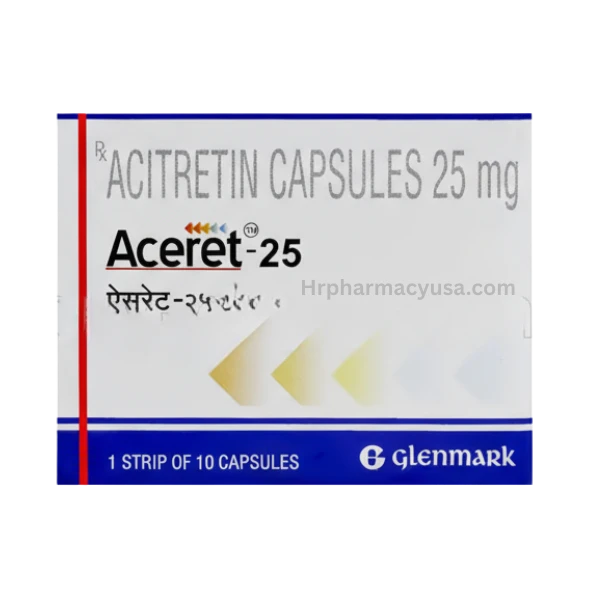
Aceret 25 Mg (Acitretin)
Price range: $87.00 through $245.00
Aceret 25 mg (acitretin) is an oral retinoid prescribed for severe psoriasis; it works by normalizing skin-cell growth and reducing scaling and inflammation.
| Active Ingredient | Acitretin |
|---|---|
| Manufacturer | Glenmark Pharmaceuticals Ltd. |
| Packaging | 10 capsules in 1 strip |
| Strength | 25 Mg |
| Delivery Time | 6 to 15 days |
In Stock
Buy Aceret 25 Mg (Acitretin) – Product Description
Let's have a real talk about Aceret 25 mg. If your dermatologist has mentioned this medication, you're likely dealing with a very severe, stubborn, and frustrating skin condition that hasn't responded to other treatments. You’re probably at your wit's end, and the name "Acitretin" might sound intimidating. It’s a powerful medicine, and it's not one to be taken lightly. But for the right person, it can be life-changing. So, let's break down everything you need to know about Aceret in a way that actually makes sense, without the scary medical-speak.What Exactly is Aceret 25 Mg?
Aceret isn't your average cream or a simple antibiotic. It's what doctors call a "systemic retinoid." Let's unpack that. "Systemic" means it's a pill that works throughout your entire body, not just on the spot where you put it. "Retinoid" means it's a member of the Vitamin A family. Think of it as a super-powered, prescription-only version of Vitamin A, designed to tackle major skin problems from the inside out. This is what dermatologists call a "big gun" treatment. They bring it out when the creams, the ointments, and even the light therapies haven't been enough to get your severe psoriasis under control.How Does This Pill Actually Help My Skin?
To get how Aceret works, you need to know what's going wrong with your skin in the first place. With severe psoriasis, your skin's production line has gone into hyperdrive. It's making new skin cells so fast that they don't have time to mature properly. They just pile up on the surface, creating those thick, red, scaly plaques. Aceret steps in and acts like a new factory manager. It gets into your system and tells those out-of-control skin cells to slow down. It helps regulate the growth and shedding of skin cells, bringing the whole process back to a more normal, healthy pace. As the production of new cells slows, that pile-up on the surface stops. This allows the scaling to reduce, the thickness of the plaques to go down, and your skin to finally get a chance to heal itself. It's not a quick fix; it's a long-term strategy to fundamentally change how your skin is behaving.What Is Aceret 25 Mg Used For?
This medicine is reserved for very specific, severe skin conditions. You won't be prescribed this for a little bit of eczema. Its main uses are:- Severe Plaque Psoriasis: For widespread, thick, and debilitating psoriasis that has not improved with other treatments.
- Pustular Psoriasis: A less common but very severe form of psoriasis that causes pus-filled blisters.
- Other Severe Keratinization Disorders: A group of rare skin conditions where the skin becomes thick and scaly.
The Really, Really Important Stuff You Absolutely Must Know
Okay, this is the most critical part of the whole conversation. Aceret comes with some very serious rules that are non-negotiable.- PREGNANCY: AN ABSOLUTE NO.
Acitretin (the drug in Aceret) is known to cause severe, life-threatening birth defects.
- If you are a woman who can become pregnant: You MUST use two effective forms of birth control while taking this drug, and you must continue to use them for THREE YEARS after you stop taking it. We are not kidding. Three. Years. You will need to have regular pregnancy tests before, during, and after treatment.
- If you are a man taking this drug: The drug can be present in your semen. You must use a condom during sex with a partner who could become pregnant.
- ALCOHOL: AN ABSOLUTE NO. This isn't just a friendly suggestion. When you drink alcohol while taking Aceret, your body converts the drug into another substance called etretinate. This substance stays in your body for a very long time, dramatically extending the risk of birth defects. You must not drink any alcohol—not a beer, not a glass of wine, not even in cough syrup—while taking Aceret and for TWO MONTHS after you stop.
- BLOOD DONATION: AN ABSOLUTE NO. You cannot donate blood while taking Aceret or for THREE YEARS after your last dose. This is to prevent a pregnant woman from accidentally receiving your blood, which would put her baby at extreme risk.
How to Take Aceret 25 Mg
- Take It with a Fatty Meal: This is a weird but important one. The drug is absorbed much better by your body when taken with a meal that contains some fat (like milk, cheese, or eggs). This helps the medicine work more effectively.
- Follow the Dose: Your doctor will start you on a specific dose. Don't change it or stop taking it without talking to them.
- Be Patient: This medicine takes time to work. We'll talk more about that in the FAQ.
Let's Talk About Side Effects
Because this is a powerful, Vitamin A-based drug, the side effects are very real and, frankly, pretty common. The main theme is DRYNESS. The Almost-Guaranteed Annoying Stuff:- Dry Lips: Get ready to become best friends with a very good lip balm. Your lips will be chapped.
- Dry Skin: Your whole body might feel dry and itchy. A good, thick, fragrance-free moisturizer is a must.
- Dry Eyes: Your eyes might feel gritty or irritated. Artificial tears can help.
- Dry Nose: You might get nosebleeds from the dryness inside your nose. A little petroleum jelly can help.
- Hair Thinning: Some hair shedding is common. It usually returns to normal after treatment.
- Peeling skin on your palms and soles.
- Headaches
- Muscle or joint pain
- Changes in your vision, especially night vision
- Signs of high cholesterol (your doctor will check this with blood tests)
- Signs of liver problems, like yellowing skin/eyes, dark urine, or severe stomach pain (your doctor will monitor your liver with regular blood tests).
Frequently Asked Questions (FAQ)
Q: How long will it take to see results? I'm desperate! A: This is a slow and steady race, not a sprint. It can take 2 to 3 months of consistent use before you start to see significant improvement in your skin. Some people see changes sooner, but you have to be patient and stick with it. Q: Seriously, no alcohol at all? Not even one drink at a wedding? A: We know it's a huge lifestyle change, but yes, seriously. The risk of creating that long-lasting, dangerous substance in your body is just too high. It's a hard rule for your own safety. Zero alcohol. Q: Why do I need so many blood tests? A: Because Aceret can affect your liver and your cholesterol/triglyceride levels. The regular blood tests are just a safety check to make sure your body is handling the medication well. It's your doctor's way of keeping you safe while you're on treatment. Q: Will my skin get worse before it gets better? A: It can happen. Sometimes, in the first few weeks, your skin might seem a bit more red or irritated as it starts to adjust to the medication. This is often called a "retinoid flare." It usually settles down, but if you're worried, definitely check in with your dermatologist. Q: What happens when I stop taking it? Will my psoriasis come back? A: Psoriasis is a chronic condition, so there's a good chance it will come back eventually after you stop treatment. The goal of Aceret is to get a severe flare-up under control and hopefully achieve a long period of remission, or clear skin, that lasts for a while even after you've stopped the pill.Related Products You Might Hear About
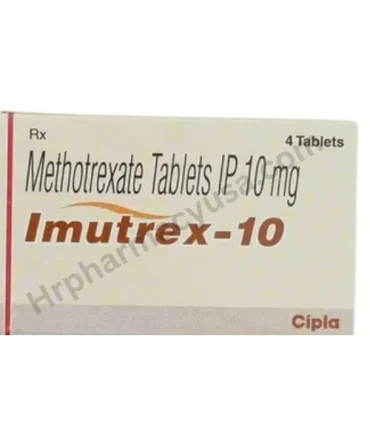
If you're in the category of needing Aceret, you've likely tried or heard about other powerful psoriasis treatments:- Methotrexate (like Imutrex): Another systemic pill for psoriasis that works by calming the immune system.
- Cyclosporine: A powerful immunosuppressant pill, usually used for short-term control of a very bad flare-up.
- Biologics (like Humira, Stelara, Cosentyx): These are newer, injectable medications that target very specific parts of the immune system that cause psoriasis.
- Topical Steroids (like Clobetasol): Very strong steroid creams and ointments. You've probably already tried these.
- Topical Vitamin D Analogues (like Pasitrex/Calcipotriol): Creams or ointments that also work to slow skin cell growth.
| size | 30 Capsule/s, 60 Capsule/s, 90 Capsule/s |
|---|


Reviews
There are no reviews yet.