

$5.00 – $23.00Price range: $5.00 through $23.00
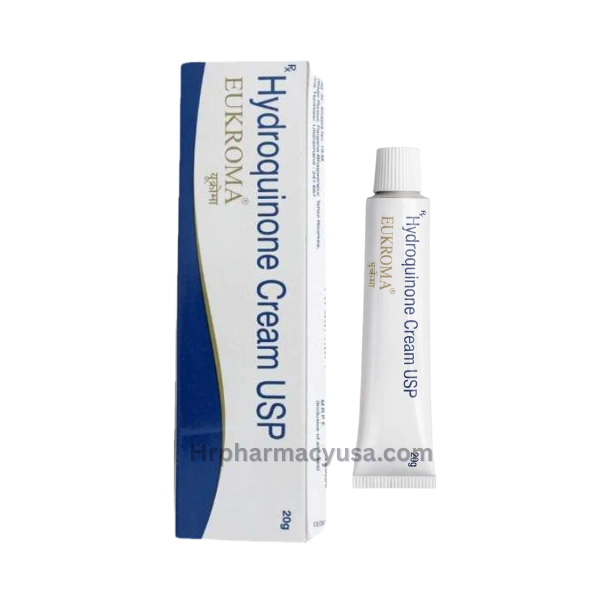
Hydroquinone Cream 20 Gm (Generic) is a topical cream used to help fade dark spots and uneven skin tone caused by conditions like melasma, sun spots, or post-acne marks. It works by reducing excess pigment in the treated area. Apply only to affected skin as directed, and use daily sunscreen since treated skin can become more sun-sensitive.
| Active Ingredient: | Hydroquinone |
|---|---|
| Indication: | Hyperpigmentation, Melasma |
| Manufacturer: | Yash Pharma Laboratories Pvt Ltd |
| Packaging: | 20g in tube |
| Strength: | 20g |
| Delivery Time: | 6 To 15 days |
Use Coupon Code: HR20 for 20% OFF
| Variant | Price | Units | Quantity | Add to Cart |
|---|---|---|---|---|
| 1 Cream | $5.00 | $5 / Cream | ||
| 3 Cream/s | $12.00 | $4 / Cream | ||
| 6 Cream/s | $23.00 | $3.83 / Cream |
Hydroquinone Cream 20 Gm (Generic) is a commonly used prescription-strength topical option for people dealing with stubborn discolouration that will not fade on its own.
If you are seeing patches of darker skin from melasma, sun exposure, acne marks (post-inflammatory hyperpigmentation), or age spots, hydroquinone is one of the better-known ingredients dermatology has used for years to help even things out.
Hydroquinone is used to reduce the look of hyperpigmentation. That includes:
It is not meant for full-face “brightening” or overall skin lightening. Most skin experts recommend using it only where you actually see discolouration.
Hydroquinone helps reduce melanin production, the pigment that gives skin its colour. When a patch has extra melanin, it looks darker than the surrounding skin. By gradually decreasing pigment production, the darkened area may blend closer to your normal skin tone.
Directions can vary depending on the strength and your prescriber’s plan, so follow the label instructions you receive. In general, people are often told to:
A lot of people make the mistake of using more than they need. With hydroquinone, using extra does not usually mean faster results. It more often means more irritation.
This is not a quick fix. Many people need several weeks to start seeing a noticeable difference, and more time for fuller improvement. If you do not see any change after a couple of months, it is worth checking in with a clinician rather than continuing indefinitely.
If you use hydroquinone without sunscreen, dark spots can come right back, and sometimes look worse. Daily broad-spectrum sunscreen (often SPF 30 or higher) and limiting direct sun exposure are key parts of any dark spot treatment plan. Sun protection is not an “extra” with this type of medication.
Mild burning, dryness, redness, or peeling can happen, especially early on. If you get intense irritation, swelling, blistering, or severe itching, stop using it and seek medical advice.
Long-term or improper use has been linked to rare but serious skin darkening (exogenous ochronosis). This is one reason many clinicians limit hydroquinone to time-limited courses and may recommend breaks or alternative treatments.
Hydroquinone is sold in different strengths depending on local rules and whether it is a prescription or compounded. Common strengths you may see include:
Always confirm the exact percentage listed on your product packaging for Hydroquinone Cream 20 Gm (Generic), since “20 gm” refers to tube size, not strength.
Store it at room temperature, tightly capped, away from heat and direct light. Do not freeze it. If it changes colour or smells noticeably different, ask a pharmacist before using it.
Apply it when you remember, unless it’s close to your next scheduled time. If it’s close, skip the missed application. Do not double-apply to “catch up.”
Sometimes they are used together, but the risk of irritation goes up. A clinician should guide this combo, and many people need a slow start or alternating nights.
Usually, yes, after the cream has fully absorbed and dried. If makeup stings, pills, or increases irritation, simplify your routine and consider gentler products.
Get medical advice promptly if you develop severe swelling, blistering, hives, trouble breathing, or intense burning that does not improve after stopping the cream.