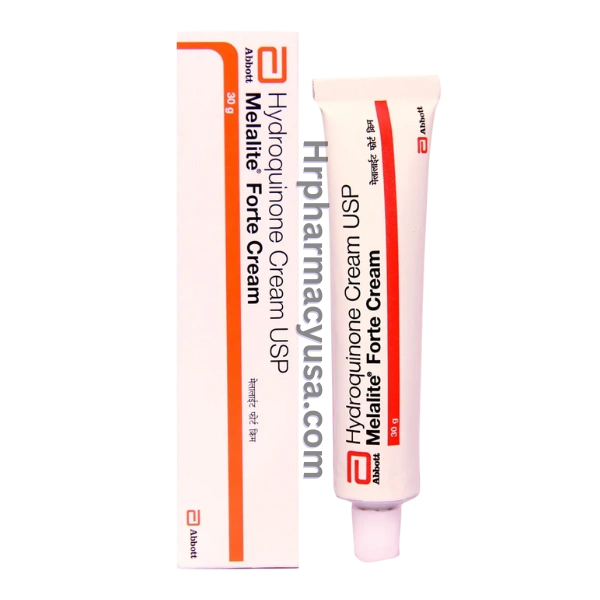
What is Melalite Forte Cream (Hydroquinone)
Melalite Forte Cream (Hydroquinone) is often chosen when dark patches or stubborn discoloration feel like they are taking over your skin routine.
People usually look for it when they are dealing with
melasma, sun spots, age spots, or post-inflammatory hyperpigmentation (those lingering marks after acne, irritation, or minor skin injury).
If your goal is a more even-looking tone, hydroquinone is one of the better-known dermatologist-used ingredients for targeted spot fading.
What Melalite helps with
This type of hydroquinone cream is generally used for localized areas of hyperpigmentation, not for full-face “bleaching” or casual brightening.
It is typically used for concerns like:
- Melasma patches (often on cheeks, forehead, upper lip)
- Sun-induced dark spots
- Post-acne marks that look brown or gray-brown
- Uneven tone from previous irritation or friction
If your spots are new, changing, itchy, bleeding, or have uneven borders, it is worth getting them checked before treating at home. Not every dark mark is simple hyperpigmentation.
How Melalite Forte Works
Hydroquinone helps reduce the look of dark spots by lowering excess melanin production in the treated area. Melanin is the pigment that gives skin its color.
When your skin “over-produces” pigment in a patch, hydroquinone can help that patch gradually fade so it blends in better with the surrounding skin.
Results are not instant. Most people notice gradual lightening over time, and the timeline varies depending on the depth of pigment, sun exposure, and how consistently you use protection.
How to use Melalite Forte Cream
Always follow the directions on your label or the plan from your prescriber. In day-to-day use, many people apply hydroquinone to clean, dry skin in a very thin layer, focusing only on the dark areas (not the normal surrounding skin). Using more does not speed things up; it mainly raises the chance of irritation.
A few common-sense tips that matter with hydroquinone:
- Wash your hands after applying.
- Keep it away from the eyes, lips, and inside the nose.
- Avoid applying to cuts, open acne, rashes, or sunburn.
- If you are also using other active skincare (acids, retinoids, strong exfoliants), irritation is more likely. Many people simplify their routine while treating dark spots.
Sun protection is not optional
If you use hydroquinone without daily sun protection, dark spots often return or fail to fade. UV exposure is one of the most common triggers of melasma and sun spots.
A broad-spectrum sunscreen and basic sun avoidance (hat, shade) make a noticeable difference in how well dark spot treatment holds up.
What you might feel on the skin
Mild dryness, slight redness, or light peeling can happen, especially early on. That can be a normal “active ingredient” response, but strong burning, swelling, blistering, or intense itching is not something to push through. If that happens, stop and get medical advice.
Safety notes worth knowing
Hydroquinone is not a casual, forever product. It is usually used in planned courses with breaks, under guidance, because overuse can irritate the skin and, in rare cases, lead to longer-term pigment problems.
If you have very sensitive or
eczema-prone skin or a history of reactions to topical treatments, it is smart to patch-test a small area first.
If you are pregnant, trying to become pregnant, or breastfeeding, ask a clinician before using any pigment treatment. For kids or teens, it should be clinician-directed.
Storage and handling tips
Keep the tube tightly closed, store at room temperature, and avoid heat or direct light. If the product changes color, texture, or smell in an unusual way, do not use it.
Available Strengths
Hydroquinone creams are sold in different strengths depending on the product and local regulations.
Commonly seen options include:
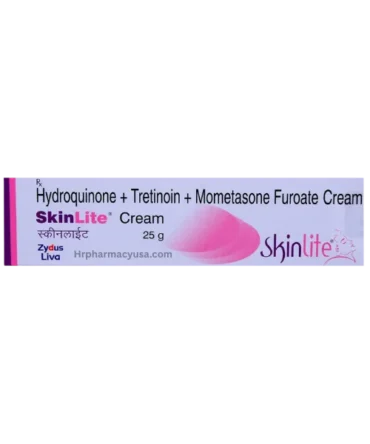
Some markets also carry combination creams that pair hydroquinone with other actives (for example, a retinoid and/or a mild steroid). Those are not the same as hydroquinone-only products, so it is important to confirm the exact ingredients and percentages on your package.
FAQs About Melalite Forte Cream
1. Can I use Melalite Forte Cream (Hydroquinone) under makeup?
Many people do, but it is best to let the product absorb fully first. If makeup causes stinging or pilling, consider using hydroquinone at night only and keep the morning routine gentle.
2. Can I apply it to underarms, inner thighs, or bikini line darkening?
Some people use hydroquinone on body areas, but these areas can be more prone to irritation. It is safer to get guidance first, especially for intimate areas.
3. What should I do if I miss an application?
Skip the missed application and continue with your next scheduled use. Doubling up increases the risk of irritation and rarely improves results.
4. Can hydroquinone stain towels or clothes?
It can sometimes discolor fabric if it has not fully dried or if it transfers to the fabric. Let it dry completely and consider using older pillowcases or towels.
5. Can I use it right before or after waxing, threading, chemical peels, or laser?
Procedures that irritate the skin can increase the likelihood of reactions. Many clinicians recommend pausing strong actives around these treatments, but the exact timing depends on the procedure and your skin. It is best to ask the provider who is providing the service.





Reviews
There are no reviews yet.