Combutol 400 Mg (Ethambutol): My TB Treatment Journey
Been on Combutol 400 mg for almost a year now, and figured I'd share what it's really like. When doc first handed me that prescription, I was clueless - just another med with a weird name. Now, this tablet's been part of my daily routine longer than my gym membership ever lasted.
What This Stuff Actually Is
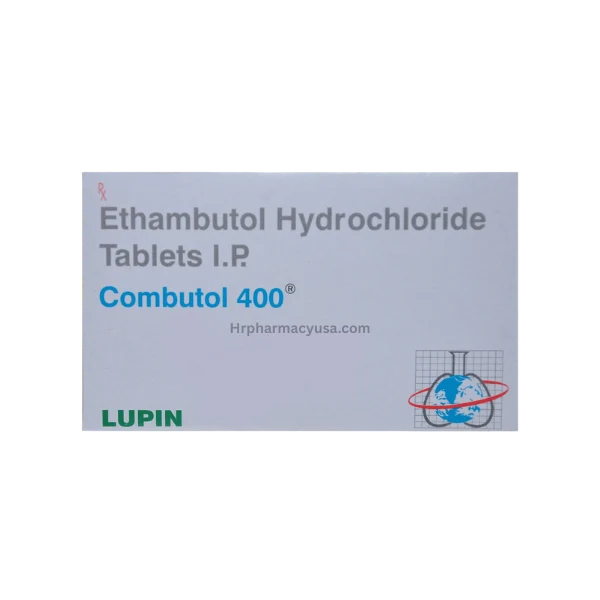
Combutol 400 mg tablets contain ethambutol
hydrochloride - double the strength of the 200 mg version. It's one of the main fighters in the TB battle. Doc explained it works by attacking the TB bacteria's cell walls, basically stripping away their armor so your body and the other meds can finish them off.
Never took Combutol by itself - TB treatment always means a cocktail of meds. My regimen included Combutol plus three other drugs with names I still butcher every time I try to pronounce them.
Dosage Breakdown
| Who's Taking It |
Typical Daily Amount |
How Long |
Things to Know |
| Adults (over 50kg) |
15-25 mg per kg |
2-12 months |
Usually one daily dose |
| Adults (under 50kg) |
15-25 mg per kg (fewer tablets) |
2-12 months |
Doc adjusts based on weight |
| Kids |
15-20 mg per kg |
2-12 months |
Parents: double-check dosing! |
| Older folks |
Standard dose usually |
Standard time |
Might get reduced dose if kidneys aren't great |
| People with kidney issues |
Reduced dose |
Standard time |
Expect extra kidney tests |
For me at 72kg, I took 2 tablets (800mg) daily. With the 400 mg tablets, you typically need fewer pills than with the 200 mg version, which was nice - fewer things to swallow.
Taking This Stuff Daily
Taking Combutol became automatic after a while. Wake up, pop pills, start day. Found taking it on empty stomach worked best - about an hour before breakfast. The 400 mg tablets are bigger than the 200s, but still manageable.
Got myself one of those weekly pill organizers with little compartments. Absolute lifesaver. When you're taking multiple meds every day for months, you WILL forget whether you took today's dose. That plastic box kept me straight.
Side Effects Nobody Warns You About
Here's what actually happened to me:
- Eye issues: About three months in, noticed red traffic lights looked weirdly orange. Mentioned it to doc immediately. Had my dose adjusted and got regular eye checks after that.
- Achy joints: Knees and ankles felt stiff most mornings. Not terrible, but annoying. Doc said it was common.
- Stomach stuff: If I didn't eat something small with the pills, I'd feel queasy. Learned to have at least a banana or toast.
- Headaches: First month was rough - dull headache almost daily. Gradually improved though.
- Weird taste: Everything had this metallic tang for weeks. Coffee tasted awful, which nearly broke me. Got better eventually but took time.
- Tingling hands: Sometimes got pins and needles in my fingers. Doc added B6 vitamin which helped.
Tests You'll Get Real Familiar With
Prepare to know your lab techs by name:
- Eye exams: Before starting and regularly during treatment. Color vision tests where you look for numbers in dots, visual acuity checks, the works.
- Blood draws: So many needle sticks. Checking kidney function, liver enzymes, and other markers.
- Weight checks: Every visit they'd weigh me because dosing depends on weight.
Started tracking all my results in my phone. Helps when you see different doctors and they ask about your
last test results.
Drug Interactions Worth Knowing
Found these out through experience:
- Antacids: My heartburn meds with aluminum completely messed with Combutol absorption. Had to take them at least 4 hours apart.
- Iron supplements: Was taking iron for mild anemia, but had to separate it from Combutol by several hours.
- Pain relievers: Some over-the-counter stuff puts extra stress on your liver. Always checked with doc first.
- Alcohol: Just don't. Tried a beer once about six months in and felt horrible for two days after.
Stuff That Made Life Easier
- Phone alarms: Set daily reminders that wouldn't stop until I marked them complete.
- Water bottle: Carried everywhere. Staying hydrated made side effects more manageable.
- Pill cutter: Sometimes needed to adjust dose slightly, and the 400 mg tablets have a score line for splitting.
- Support group: Found an online TB survivors forum. Nothing beats talking to people who actually get it.
- Calendar tracking: Marked off each day of treatment. Seeing progress helped on tough days.
Questions People Actually Ask
- Q: Can I just take one 400 mg instead of two 200 mg tablets?
A: That's what I did. Doc switched me to 400 mg tablets about two months in because it meant fewer pills overall. Just make sure your doctor specifically prescribes the switch.
- Q: What if I miss a dose?
A: If I remembered within 12 hours, I'd take it then. If it was almost time for next day's dose, I'd skip and continue normally next day. Never doubled up - that's dangerous. Always called my TB nurse when this happened.
- Q: How long until I feel better?
A: Started noticing less coughing after about 3-4 weeks. Energy came back gradually. Full recovery took months though, even with the meds working.
- Q: Can I take it with food?
A: Doc said ideally on empty stomach, but if it caused too much nausea, a small non-dairy snack was okay. Avoided milk products within 2 hours of taking it.
- Q: How do I know if it's working?
A: Less coughing, more energy, better appetite were my first signs. But the real proof came from follow-up tests - when my sputum samples started coming back negative for TB bacteria.
- Q: Will I be contagious forever?
A: Doc said most people aren't contagious after about 2-3 weeks of proper treatment. Still wore masks around others for first month to be safe.






Reviews
There are no reviews yet.