Experience with Combunex 800 mg: The Real Story
When my doctor first handed me that prescription for Combunex 800 mg, I honestly felt overwhelmed. TB wasn't something I ever thought I'd deal with, and suddenly I was facing months of treatment with medications I couldn't even pronounce properly.
What exactly is this stuff anyway?
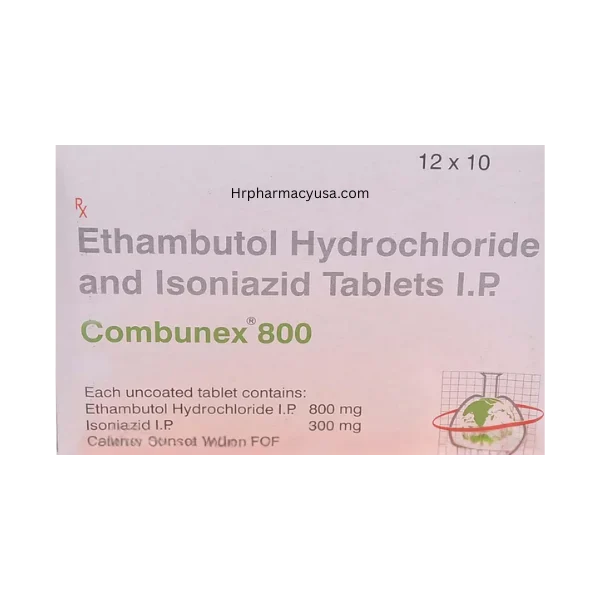
So Combunex is basically a combination pill containing two TB fighters - ethambutol (800 mg) and isoniazid (400 mg). My doctor explained that using these two together works better than either one alone. Something about "
preventing drug resistance" which honestly scared me even more. The thought that these bacteria could actually outsmart the medicine was terrifying.
I remember googling both drugs late at night when I couldn't sleep. Ethambutol apparently works by stopping the TB bacteria from building their cell walls properly. And isoniazid (which everyone at the clinic just called "INH") interferes with the bacteria's metabolism. Basically, they attack TB from different angles, which is why they work well together.
The daily pill routine
Taking Combunex became part of my morning ritual. One tablet daily, always before breakfast. The pills are pretty big - I struggled at first since I've never been great at swallowing tablets. My trick became taking it with yogurt instead of water, which somehow made it easier to get down.
My doctor was super strict about taking it at the same time every day. I set an alarm on my phone labeled "TAKE YOUR MEDS!!!" with about five exclamation points. On days when I felt nauseous (which happened a lot during the first few weeks), I'd still force myself to take it, sometimes with a plain cracker to settle my stomach.
The hardest part was remembering not to take my calcium supplements or antacids anywhere near the same time. Apparently, they can mess with how the medicine gets absorbed. I ended up putting sticky notes on my bathroom mirror as reminders.
Side effects nobody warned me about
The information sheet from the pharmacy listed all these possible side effects in tiny print, but reading about them versus experiencing them are two completely different things.
The weirdest one was how my pee turned this reddish-orange color. Freaked me out the first time until I remembered the nurse had mentioned it might happen. Still, seeing it was jarring.
Then there was the tingling. About three weeks in, I started getting this pins-and-needles feeling in my fingers and toes. My doctor explained it was because isoniazid can affect vitamin B6 levels, so she added a B6 supplement to my daily pills. That helped, but didn't completely eliminate it.
My taste buds went haywire too. Everything tasted metallic for a while - even my morning coffee, which was devastating since that's basically my life force. I found that really cold foods didn't taste as bad, so I ate a lot of popsicles and ice cream during those first months. My sweet tooth was thrilled, but my waistline, not so much.
The vision stuff scared me the most. My doctor had warned me that ethambutol can sometimes affect eyesight, especially color perception. I became paranoid about it, constantly checking if red things still looked red and green things still looked green. I even downloaded a color blindness test app on my phone and would test myself weekly. Thankfully, my vision stayed normal, but that fear was always in the back of my mind.
The whole monitoring thing
I never realized how much blood they'd need to take from me during treatment. Every two weeks at first, then monthly, I'd sit in the lab while they filled what felt like a million tubes. They were checking my liver function mainly, since both drugs can be hard on the liver.
The eye exams became routine too. I'd see this ophthalmologist who'd make me read charts and look through different lenses. He explained that catching any vision changes early was important because they could reverse if the medicine was stopped in time.
I also had to collect my sputum (fancy word for phlegm) in these little containers periodically. Gross, but necessary to see if the bacteria were dying off. The day my doctor told me my sputum had converted to negative - meaning no more active TB bacteria - was one of the happiest days of my treatment journey.
The social awkwardness
Nobody tells you about the social side of TB treatment. When I first got diagnosed, I had to make some really uncomfortable calls to friends and family I'd been in close contact with, telling them they needed to get tested. Most were understanding, but I could hear the worry in their voices.
For the first few weeks, I was technically contagious, so I had to wear these special masks when around others. Try explaining that to colleagues or the cashier at the grocery store without mentioning TB (which just freaks people out). I ended up working remotely for a month, which my boss wasn't thrilled about but eventually accepted.
Even after I wasn't contagious anymore, taking my medication in public was sometimes awkward. These weren't small, discreet pills. They're large tablets that I sometimes struggled to swallow. I remember being at a business lunch and excusing myself to the bathroom to take my dose, rather than explaining to clients why I was taking medication.
The tough days
About three months into treatment, I hit a wall. The initial fear had worn off, I was feeling physically better, but the reality of several more months of treatment felt overwhelming. I had a follow-up appointment where I just broke down crying in the doctor's office. She was actually great about it - said it was a normal reaction and that "treatment fatigue" was real.
The liver function tests came back slightly elevated around month four, which scared me. My doctor reduced my dose temporarily and had me come in for more frequent blood tests until the numbers improved. Those two weeks of waiting to see if my levels would normalize were some of the most anxious days of my life.
There were random days when fatigue would hit me like a truck. Not normal tiredness, but bone-deep exhaustion that made even showering feel like running a marathon. Those days, I'd just text my friends "having a TB day" and they knew I was canceling whatever plans we had.
What actually helped me get through it
Finding others who'd been through TB treatment made a huge difference. There was an online support group that became my lifeline on tough days. These strangers understood exactly what I was going through in a way that even my closest friends and family couldn't.
My sister was amazing - she'd text me every morning with just "Pill?" and wouldn't stop texting until I confirmed I'd taken it. On days when I felt really sick, she'd come over with groceries and just sit with me, not even talking much, just being there.
I started keeping a treatment journal, marking off each day with a big X. Seeing those X's accumulate gave me a sense of progress when it otherwise felt endless. I also noted my side effects, which helped me notice patterns - like how the nausea was worse if I drank coffee right after my pill.
Weirdly, hard candies helped with the metallic taste. I became known for always having lemon drops in my pocket. And ginger tea became my go-to for settling my stomach on queasy days.
The home stretch
The last two months of treatment were mentally the hardest. I was feeling better physically, which made taking pills that sometimes made me feel worse seem counterintuitive. My doctor kept reminding me that feeling better didn't mean the bacteria were completely gone, and that stopping early was the worst thing I could do.
I created little rewards for myself. Every two weeks of perfect adherence earned me something small but meaningful - a new book, a fancy coffee, a movie night. My big reward for completing the full course was a weekend trip to the beach - something that had seemed impossible when I was first diagnosed.
Life after Combunex
The day I took my last pill was surreal. Part of me wanted to celebrate, while another part was actually anxious about stopping the medication that had become such a fixed part of my routine. My doctor assured me that my follow-up tests showed the TB was gone, but warned me to stay vigilant about any returning symptoms in the future.
It took a few months for some of the side effects to completely disappear. The metallic taste lingered for weeks after treatment ended. My energy levels took time to fully recover too.
One unexpected lasting effect was my heightened awareness of respiratory symptoms. Every cough or chest pain sends me into a spiral of worry that the TB might be coming back, even though my doctor says that's extremely unlikely given that I completed the full treatment course.
I've become weirdly passionate about TB awareness now. Most people I talk to are shocked to learn TB still exists in the US - they think it's a disease of the past or only happens in developing countries. I find myself correcting misconceptions and encouraging people to take persistent coughs seriously, especially if they have risk factors.






Reviews
There are no reviews yet.