







Your cart is empty Continue Shopping
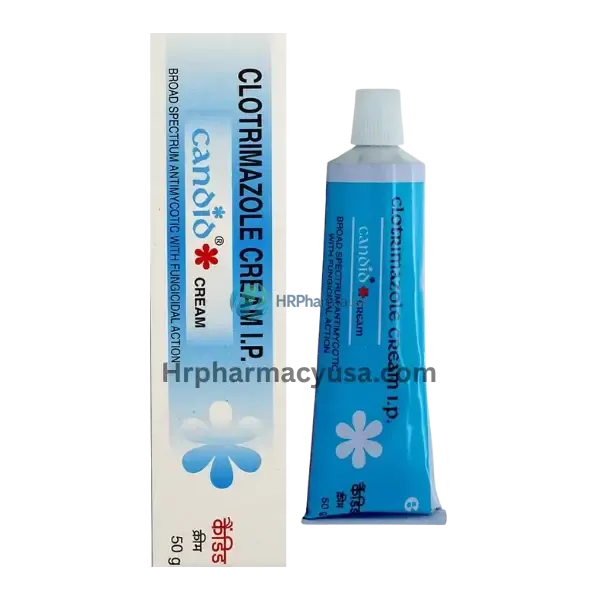
Clotrimazole Cream 50gm (Generic)
Price range: $6.59 through $34.97
Clotrimazole Cream 50gm (Generic) is a topical antifungal used for common fungal skin infections like athlete’s foot, jock itch, and ringworm. It helps reduce itching, redness, burning, and cracking by stopping fungus from growing on the skin. The 50 gm tube is a practical size for ongoing treatment areas. Always follow the label directions and complete the full course.
| Active Ingredient: | Clotrimazole |
|---|---|
| Indication: | Skin Infections |
| Manufacturer: | Glenmark Pharmaceuticals Ltd. |
| Packaging: | Available in 30 gm in 1 tube & 50g in 1 Tube |
| Strength: | 50gm |
| Delivery Time: | 6 To 15 days |
In Stock
Introduction About Clotrimazole Cream 50gm (Generic)
Clotrimazole Cream 50 gm (Generic) is a straightforward, go-to antifungal cream used when a rash is caused by fungus, not bacteria or allergies. If you have itchy, scaly patches, redness in skin folds, or cracking between toes that keeps coming back, clotrimazole is one of the most commonly used ingredients for these problems. It works by damaging the fungal cell membrane, slowing growth and helping clear the infection when used consistently.
What it’s commonly used for
This type of clotrimazole cream is often used for fungal skin infections, such as:- Athlete’s foot (tinea pedis): itching, peeling, burning between toes or on soles
- Jock itch (tinea cruris): itchy, red rash in the groyne or inner thighs
- Ringworm (tinea corporis): round or ring-shaped scaly patches
- Cutaneous candidiasis: yeast-related irritation in moist skin areas (like under breasts or skin folds)
How to use it
Most clotrimazole creams are applied twice daily; always follow the product label or your clinician’s instructions. A typical routine includes thoroughly washing and drying the affected area, as fungus thrives in moisture.- Apply a thin layer and gently rub it in.
- Wash hands after applying (unless the hands are the treated area).
What to avoid while treating a fungal rash
- Avoid covering the area with tight, non-breathable bandages or clothing unless instructed to do so.
- Keep the area clean and dry, especially feet and skin folds.
- Try not to share towels, socks, footwear, or razors while treating.
- Do not apply it to the eyes, inside the mouth, or inside the vagina unless a specific product is meant for that use.
Side effects
Many people tolerate clotrimazole well. Some may notice mild- stinging or burning right after application
- redness or irritation
- peeling or dryness
Available strengths and pack sizes
For skin, clotrimazole cream is most commonly 1%, but the labelling can vary by manufacturer. Besides the 50 g tube, clotrimazole cream is often sold in other sizes, such as 15 g, 30 g, and 45 g.- Clotrimazole 1% cream
- Clocip Dusting Powder (Clotrimazole)
- Clotrimazole Cream 15 gm (Generic)
- Candid Cream (Clotrimazole)
- Candid Cream 30gm (Clotrimazole)
- Candid Cream 50gm (Clotrimazole)
- Clocip Cream 15 gm (Clotrimazole)
Substitute options
If clotrimazole is not suitable, other common antifungals may be recommended based on infection type and location.- Clocip B Cream 10 gm (Clotrimazole/Beclometasone)
- Candid V Gel (Clotrimazole Vaginal Gel)
- Miconazole cream (often 2%): Zole Ointment (Miconazole)
- Terbinafine cream (often 1%; sometimes it works faster for some tinea infections).
- Ketoconazole cream (often 2%)
- Econazole cream (often 1%)
- Ciclopirox cream/lotion (varies)
- Candid Ear Drop (Clotrimazole/Lignocaine)
- Candid Lotion (Clotrimazole)
FAQs
1. Can I use Clotrimazole Cream 50 gm (Generic) during pregnancy or while breastfeeding?
Clotrimazole applied to the skin is generally considered low exposure, but pregnancy and breastfeeding decisions should be individualised. It is best to ask a clinician, especially if using it on large areas or for long periods.2. Can I use this medication on my face?
Facial skin can be more sensitive, and rashes there are easier to misdiagnose. Use only if a clinician has confirmed a fungal cause and directed you to treat that area.3. How should I store clotrimazole cream?
Store at room temperature, tightly capped, away from heat and moisture. Avoid freezing. If the cream changes colour, smell, or texture, replace it.4. Will clotrimazole cream interact with my other medicines?
Topical clotrimazole has minimal absorption for most people, so interactions are uncommon. Still, if you use other medicated creams on the same area, ask a clinician or pharmacist how to space them.5. What if I accidentally use too much or a child touches/ingests it?
Wipe off the extra cream from the skin. If swallowed or if any concerning symptoms occur, contact Poison Control (1-800-222-1222) for guidance.| size | 1 Tube, 3 Tube/s, 6 Tube/s |
|---|
Reviews
There are no reviews yet.