


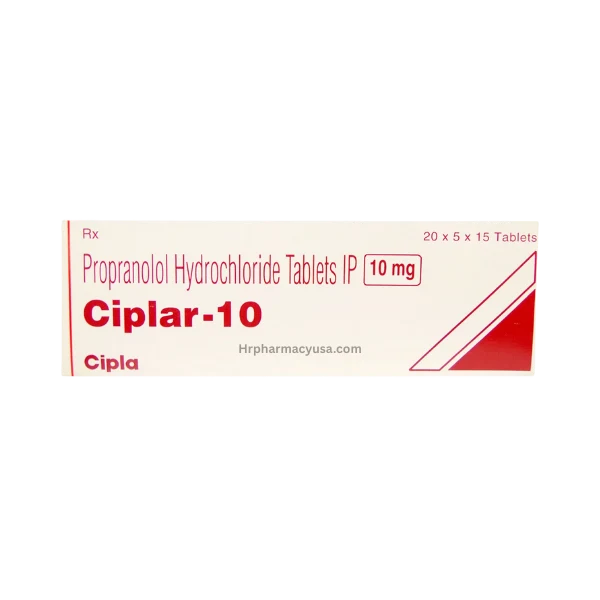
Ciplar 10 Mg Tablet
Price range: $6.38 through $11.13
Ciplar 10 mg is a medication containing propranolol, commonly used to treat high blood pressure, anxiety, and certain heart conditions. It works by blocking the effects of adrenaline, helping to reduce heart rate, lower blood pressure, and alleviate symptoms of anxiety or stress.
| Active Ingredient | Propranolol |
|---|---|
| Manufacturer | Cipla Limited |
| Packaging | 15 tablets in 1 strip |
| Strength | 10mg |
| Delivery Time | 6 To 15 days |
In Stock
A Real-Talk Guide to Ciplar 10 Mg (Propranolol)
Ever feel like your body's "check engine" light is on for no reason? Your heart is pounding, your hands are shaky, and you just feel physically "revved up," especially before a big presentation or during a stressful day. For situations like these, a doctor might prescribe a medication called Ciplar 10 Mg. It’s a low-dose tablet of a medicine called Propranolol, and its main job is to gently tell your body to take a deep breath and calm down. Let's break down what it is, how it works, and what to expect in simple, straightforward terms.So, What Is It and How Does It Work?
Think of adrenaline as your body’s own personal hype-man. When you're stressed or anxious, it shouts at your heart, "Go faster! Pump harder!" Ciplar (Propranolol) works by stepping in and politely blocking that message. It doesn't stop the adrenaline, but it prevents your heart from overreacting to it. The result?- Your heart rate slows down to a more normal pace.
- That thumping, pounding feeling in your chest gets quieter.
- Shaky hands can become steadier.
- Your blood pressure might gently lower.
Why Would My Doctor Prescribe This?
Propranolol is a bit of a multi-tool. Your doctor might suggest it for:- Situational Anxiety: To control the physical symptoms (shaky hands, racing heart) of stage fright or performance anxiety.
- Migraine Prevention: Taken daily, it can help reduce how often you get migraines over time.
- Essential Tremor: It can help reduce the shakiness in your hands, making daily tasks easier.
- Heart-Related Issues: For things like high blood pressure, a fast or irregular heartbeat (arrhythmia), or chest pain (angina).
- Hyperthyroid Symptoms: To manage the racing heart that can come with an overactive thyroid.
Managing Your Expectations: What It Does Not Do
It's really important to know what this medication isn't for:- It will not stop a migraine that has already started.
- It does not treat the mental or emotional side of anxiety or panic.
- It's not a quick fix for high blood pressure without lifestyle changes like diet and exercise.
- It is not an emergency pill for a heart attack.
The "Is This Safe for Me?" Conversation with Your Doctor
This is the most important part. Propranolol isn't for everyone. You absolutely must tell your doctor if you have:- Asthma or COPD: This is a big one. Propranolol can sometimes tighten airways, making breathing difficult.
- A very slow heart rate or certain other heart conditions.
- Diabetes: It can hide some of the warning signs of low blood sugar, like a tremor.
- A history of depression.
- Circulation problems, like Raynaud's (where your fingers get very cold).
- If you are pregnant, planning to be, or breastfeeding.
How to Take It: The Simple Rules
- Follow Your Doctor's Plan: The dose is personalized. You might take it once a day, multiple times, or just before a specific event. Don't guess.
- Be Consistent: Try to take it with a full glass of water around the same time each day. Taking it with or without food is fine, but stick to one way for consistency.
- Don't Suddenly Stop: If you've been taking it for a while, you need to taper off slowly with your doctor's help. Stopping abruptly can cause your heart rate and blood pressure to rebound.
- Forgot a Pill? If it's not too close to your next dose, take it when you remember. If it's almost time for the next one, just skip the missed pill. Never take a double dose.
Let's Talk About Side Effects
Most side effects are mild and often happen when you first start. The Common Stuff (That's Usually No Big Deal):- Feeling a bit tired or having less energy.
- Cold hands and feet (this is very common!).
- Feeling a little dizzy if you stand up too fast.
- Weird or vivid dreams.
- Wheezing or any trouble breathing.
- A very slow pulse that makes you feel faint.
- Swelling of your face, lips, or throat (signs of an allergic reaction).
Frequently Asked Questions (FAQ)
Q: Can I take this just for my big presentation on Friday? A: If your doctor prescribed it specifically for performance anxiety, then yes. They'll likely tell you to take it about an hour beforehand. It’s a great idea to do a "test run" on a non-important day to see how it makes you feel first. Q: Will it help with my panic attacks? A: It can help control the scary physical symptoms like a pounding heart, which can make a panic attack feel less intense. However, it doesn't treat the underlying mental anxiety, so therapy or other medications are often needed as well. Q: I'm taking it for migraines. When will I see a difference? A: Be patient! For migraine prevention, it’s a long game. You need to take it consistently for at least 6 to 8 weeks before you and your doctor can decide if it's working. Q: Can I still exercise? A: Absolutely. Just be aware that you might feel like you "hit a wall" a bit sooner. Your heart rate won't climb as high as it used to, so judge your effort by how you feel, not just by the numbers on your fitness tracker. Q: Is it safe to take this for a long time? A: Yes, many people take propranolol for years under a doctor's supervision. As long as the benefits outweigh any side effects and you get regular check-ups, it's generally considered safe for long-term use.| size | 120 Tablet/s, 60 Tablet/s, 90 Tablet/s |
|---|

Reviews
There are no reviews yet.