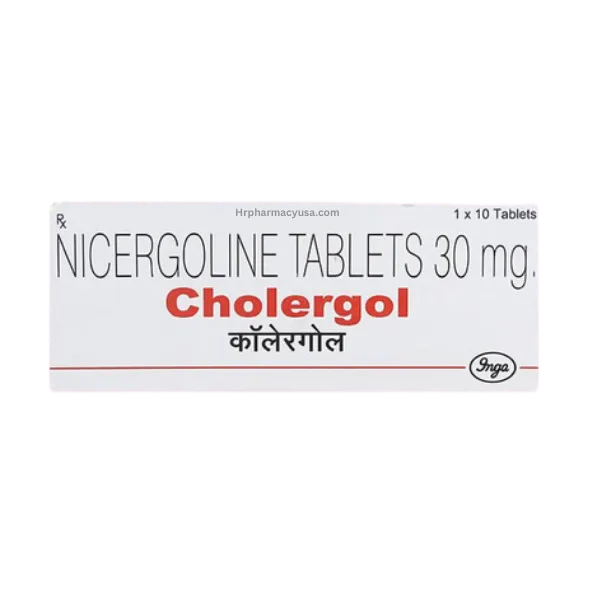
A Real-Talk Guide to Nicergoline (Cholergol 30mg)
Ever get that frustrating dizziness when you stand up, or struggle with fingers and toes that feel like ice no matter the weather? Sometimes, these are signs that your body’s internal "traffic system"—your circulation—is a bit sluggish.
If that’s the case, your doctor might talk to you about a medication called Nicergoline (often known by the brand name Cholergol). Let's break down what it is and what you can expect, in plain English.
What Is It Actually For?
Think of Nicergoline as a specialist that helps improve blood flow. It’s not a cure-all, but a targeted tool for specific issues. A doctor might prescribe it to help with:
- Vascular Dizziness: That light-headed or unsteady feeling thought to be caused by poor blood flow to the brain.
- Cold Hands and Feet: It can help with conditions like Raynaud's, where your fingers and toes get painfully cold and change color.
- Migraine Prevention: In some cases, it’s used as an extra layer of defense to help reduce how often migraines happen.
- Mild Cognitive Slowdown: For when thinking feels a bit "slower" due to diagnosed circulation problems in the brain.
What it's NOT: It's crucial to know that Nicergoline is
not a general memory booster, a "smart drug," or a treatment for Alzheimer's disease. Its job is to help with the plumbing, not to rebuild the house.
How Does It Work? The Simple Version
Nicergoline works by telling the muscles in the walls of your smaller blood vessels to relax. When they relax, they widen, allowing blood to flow more easily. It’s like turning a narrow country lane into a two-lane road—the traffic just moves better, delivering more oxygen and nutrients where they need to go.
Safety First: Is It Right for You?
This is the most important conversation to have with your doctor. You need to be extra cautious and definitely tell your doctor if you have:
- A very slow heart rate or low blood pressure
- A history of gout
- Recently had a heart attack
- Any liver or kidney problems
- A history of bleeding problems or are taking blood thinners
- An allergy to "ergot" drugs
It's generally not recommended for those who are pregnant, planning to become pregnant, or breastfeeding.
The Simple Rules for Taking It
- Follow the Prescription: Your doctor will tell you the exact dose. Don't change it on your own.
- Be Consistent: Try to take it at the same time every day. It’s fine to take with or without food.
- Forgot a Pill? No big deal. If you remember within a few hours, take it. If it's almost time for your next dose, just skip the missed one and get back on your schedule. Never double up.
Let's Talk About Side Effects
Most people do just fine, but it’s good to know what to look out for.
The More Common (and Usually Mild) Stuff:
- A bit of an upset stomach
- A warm or flushed feeling in your skin
- Headache
- Feeling a little dizzy when you stand up (this is a big one!)
- Feeling drowsy
These often fade as your body gets used to the medication.
The Serious Stuff (Call Your Doctor Right Away):
- A new, persistent cough or trouble breathing
- Severe dizziness or fainting
- Chest pain
- Any signs of an allergic reaction (rash, swelling, trouble breathing)
- Sudden, painful joint swelling (a potential gout attack)
Frequently Asked Questions
Q: Can I drink alcohol while taking Nicergoline?
A: It’s best to be careful. Alcohol can also relax your blood vessels and, like Nicergoline, can sometimes make you feel dizzy or light-headed. Combining them could make these side effects stronger. It’s a good idea to limit alcohol or avoid it altogether until you know how the medication affects you.
Q: Is it safe for me to drive?
A: When you first start taking Nicergoline, hold off on driving for a bit. Because it can cause drowsiness or dizziness in some people, you need to see how your body reacts first. Once you’re confident it doesn’t make you feel dizzy or sleepy, you can make that call, but always put safety first.
Q: Do I have to take this for the rest of my life?
A: Not necessarily. Nicergoline is often prescribed for a specific period to see if it helps. Your doctor will likely want to reassess how you're doing after 2 or 3 months. If you've seen clear benefits, you might continue it. If not, your doctor will likely stop it. It’s a treatment that is regularly reviewed, not usually a "forever" medication.
Q: Why does it make me feel dizzy if it's supposed to treat dizziness?
A: This is a great question! It seems contradictory, right? Here’s the difference:
- The Dizziness It Treats: This is often a persistent, low-grade dizziness or unsteadiness caused by poor, chronic blood flow inside the small vessels of your brain.
- The Dizziness It Can Cause: This is a side effect called "orthostatic hypotension." It's a temporary drop in blood pressure that happens when you stand up too quickly, making you feel light-headed for a moment. So, while it's working to fix the long-term circulation problem, it can sometimes create a temporary blood pressure issue. The easy fix is to just rise slowly from a sitting or lying position.
Q: Can I take it with common painkillers like paracetamol or ibuprofen?
A: Taking it with paracetamol (Tylenol) is generally considered fine. With ibuprofen (Advil, Motrin) or other NSAIDs, it's always best to have a quick chat with your doctor or pharmacist. Since both Nicergoline and NSAIDs can affect your body in different ways (including the stomach and blood flow), it's smart to get a professional opinion.
Q: What happens if I just stop taking it?
A: Suddenly stopping isn't usually dangerous, but the symptoms it was helping with (like dizziness or cold fingers) will likely return. It's always best to talk to your doctor before stopping any prescribed medication. They can guide you on the best way to do it.





Reviews
There are no reviews yet.