


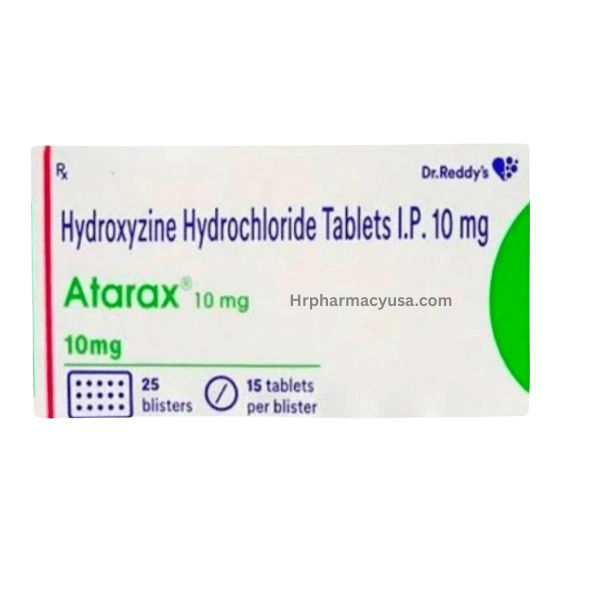
Atarax Tablet (Hydroxyzine)
Price range: $20.00 through $38.00
Atarax Tablet (Hydroxyzine) is an antihistamine that you can only get with a prescription. It helps with anxiety, itching, hives, and allergic skin irritation. It blocks histamine, which soothes the body, and it has a mild sedative effect that can help you get through stressful times. A lot of folks also find it helpful at night when they can't sleep because of itching. It is FDA-approved, extensively used by doctors, and comes in several strengths so that your doctor can give you the right dose for your needs.
| Active Ingredient: | Hydroxyzine |
|---|---|
| Indication: | Allergic skin conditions, Anxiety |
| Manufacturer: | Dr Reddy's Laboratories Ltd |
| Packaging: | 15 Tablets in strip |
| Delivery Time: | 6 To 15 days |
In Stock
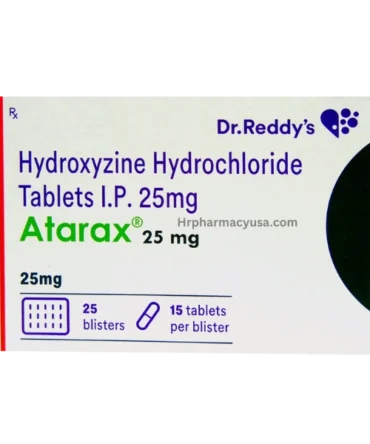
Atarax 25mg (Hydroxyzine)
| Variant | Price | Units | Quantity | Add to Cart |
|---|---|---|---|---|
| 90 Tablet/s | $32.00 | $0.27 /Tablet | ||
| 120 Tablet/s | $25.00 | $0.28 /Tablet | ||
| 180 Tablet/s | $46.00 | $0.26 /Tablet |
About Atarax Tablet (Hydroxyzine)
Atarax Tablet (Hydroxyzine) is a trusted antihistamine that doctors often choose when regular allergy pills don't quite cut it. It helps relieve intense itching from allergies or hives, calms anxiety symptoms, and can make it easier to fall asleep when your mind won't slow down. It works quickly and isn't habit-forming, which is a big plus. Hydroxyzine is the active ingredient in Atarax. it blocks histamine (the chemical your body releases during allergic reactions) and gently slows down brain activity that contributes to anxiety. So you get dual benefits: your skin feels less itchy, and your body feels more settled.What Atarax Is Used For
- Itching and hives (pruritus and urticaria) from allergies
- Anxiety symptoms (short-term relief)
- Pre- and post-operative sedation (as directed by a doctor)
- Trouble sleeping related to itching or anxiety
How It Works (Quick and Simple)
- Antihistamine action: Hydroxyzine blocks H1 receptors, so histamine can't trigger that itchy, inflamed skin response.
- Calming effect: It also has an anti-anxiety effect by reducing specific brain signals that hype you up. Not a tranquilliser, not addictive—just calming.
- Onset: Usually starts working in about 15–30 minutes.
- Duration: The effect can last 4–6 hours for itching; the calming/sedating effect may linger a bit longer.
Strengths, Forms, and What's Inside
- Active ingredient: Hydroxyzine Hydrochloride
- Common strengths: 10 mg, 25 mg, 50 mg tablets (availability may vary by region/brand)
- Typical pack sizes: Blisters or bottles in counts like 10, 15, 30, or 100 tablets
- Inactive ingredients: Standard tablet excipients (binders, fillers, coating agents). If you have known allergies to excipients, check the pack or ask your pharmacist.
Who It's For
- Adults needing relief from moderate to severe itching
- Adults with short-term anxiety symptoms who need a non-addictive option
- Adults who need a sedating antihistamine before/after procedures (as prescribed)
- Children: Sometimes used for itching or sedation when a pediatrician specifically prescribes it. Doses for kids are weight-based—don't guess.
How to Take It (General Guidance Only)
Always follow your doctor's exact directions. The dose depends on your condition, age, and response.- For itching, doctors often start with low doses (for example, 10–25 mg) and adjust as needed. Nighttime doses can help you sleep while it calms the itch.
- For anxiety, your clinician may recommend divided doses throughout the day. Sedation is common, so daytime use needs caution.
- With or without food: Either is okay; taking it with food can help if your stomach gets queasy.
- Please don't drink alcohol: It can significantly increase drowsiness and impair coordination.
- Driving and machinery: Avoid until you know how it affects you. It can make you drowsy, dizzy, or slow your reaction time.
Why People Choose Atarax
- Fast relief when regular antihistamines don't help enough
- Calms both body and mind—itch relief plus a gentle anti-anxiety effect
- Not habit-forming
- Helpful for nighttime symptoms that wreck sleep
- Widely used and well-known to clinicians
Atarax Tablet Side Effects
Not everyone gets side effects, but drowsiness is common. Most effects are dose-related and often ease as your body adjusts.Common:
- Drowsiness or feeling sleepy
- Dry mouth
- Dizziness or lightheadedness
- Blurred vision
- Headache
- Constipation
Less common or rare (contact a clinician if they occur):
- Confusion, especially in older adults
- Trouble urinating (especially if you have an enlarged prostate)
- Fast or irregular heartbeat, palpitations
- Tremors, restlessness, or paradoxical agitation (feeling wired instead of calm)
- Severe allergic reaction (rash, swelling, wheezing)
Warnings and Precautions
- Heart rhythm risks: Avoid if you have a known long QT syndrome, a history of heart rhythm problems, or if you're on other QT-prolonging medicines. Low potassium or magnesium can increase risk—your doctor may check.
- Pregnancy: Generally avoided, especially in early pregnancy. Only use it if your doctor says it's necessary.
- Breastfeeding: May pass into breast milk, causing drowsiness in infants. Discuss alternatives with your clinician.
- Older adults: More sensitive to sedation and anticholinergic effects (confusion, falls). Lower doses are usually recommended.
- Glaucoma, enlarged prostate, bowel obstruction, severe asthma/COPD: Use with caution due to anticholinergic effects—ask your doctor first.
- Liver or kidney problems: Dose adjustments may be needed.
- Allergy to hydroxyzine, cetirizine, or levocetirizine: Avoid—there can be cross-reactivity.
- Not a long-term fix for chronic anxiety: It's for short-term symptoms or situational use unless your clinician advises otherwise.
Drug and Food Interactions
- Alcohol: Big no—adds to sedation and impairs judgment.
- Other sedatives: Benzodiazepines, opioids, sleep aids, strong pain meds, muscle relaxants, or other antihistamines can make you too drowsy or suppress breathing.
- QT-prolonging drugs: Some antidepressants, antipsychotics, certain antibiotics (like some macrolides or fluoroquinolones), antiarrhythmics—combining may raise heart rhythm risks.
- Anticholinergics: May increase side effects like dry mouth, blurred vision, and constipation.
Storage and Handling
- Store at room temperature away from moisture and heat
- Keep in the original pack to protect from light
- Keep out of reach of children and pets
- Do not use after the expiry date on the pack
Missed Dose and Overdose
- Missed dose: Take it when you remember, unless it's close to your next dose. Skip if it's close to the next. Don't double up.
- Overdose: Can cause extreme drowsiness, confusion, agitation, seizures, or heart rhythm problems. Seek emergency help right away.
Practical Tips
- Nighttime is often best if itching or sedation is your main issue.
- Hydrate and chew sugar-free gum or use saliva substitutes if dry mouth bugs you.
- Start low if you're sensitive to medicines; talk to your clinician before making any adjustments.
- If it's making you too sleepy during the day, ask about changing the timing or dose.
Who Should Not Use Atarax (Unless a Doctor Clears It)
- People with known long QT syndrome or a history of severe heart rhythm issues
- Those allergic to hydroxyzine, cetirizine, or levocetirizine
- Early pregnancy (unless specifically advised by a doctor)
- Severe liver or kidney impairment without medical supervision
What You'll Find in the Pack
- Atarax tablets in your selected strength (e.g., 10 mg, 25 mg, or 50 mg)
- Blister strips or a bottle with clear labelling
- Patient information leaflet with dosing directions, safety info, and a complete list of ingredients
Strengths of Atarax (Hydroxyzine)
- Atarax 50mg (Hydroxyzine)
- Atarax 25mg (Hydroxyzine)
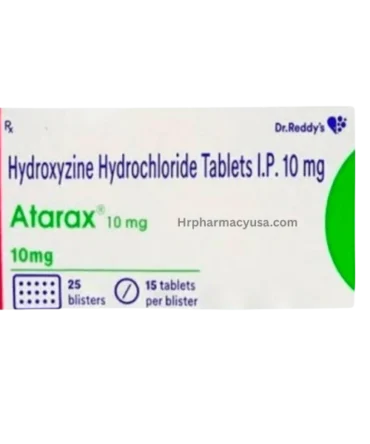
- Atarax 10mg (Hydroxyzine)
FAQs About Atarax Tablet (Hydroxyzine)
Q: Is Atarax the same as hydroxyzine? A: Yes. Atarax is a brand name for hydroxyzine hydrochloride. You might also see hydroxyzine pamoate under the brand Vistaril. Both contain hydroxyzine but come in different salt forms and may have different release profiles. Q: Can I drink alcohol with Atarax? A: No. Alcohol adds to sedation and can be unsafe with this medicine. Q: Is it addictive? A: Hydroxyzine is not considered habit-forming. That said, stick to your doctor's plan and don't take more than prescribed. Q: Can I take it with my regular allergy pill? A: Often, you don't need to, because Atarax is already an antihistamine. Using multiple antihistamines can stack side effects. Check with your clinician before combining. Q: What if I have heart issues? A: If you have long QT syndrome, a history of irregular heartbeat, or you're on meds that affect heart rhythm, do not use it unless your doctor specifically approves it. Q: Can kids take Atarax? A: Sometimes, yes—but only under pediatric guidance with weight-based dosing. Don't self-dose a child. Q: What if my itching doesn't improve? A: If symptoms persist or worsen, let your doctor know. You may need a different dose, a non-sedating daytime option, or evaluation for the underlying cause. Q: Is there a difference between daytime and nighttime use? A: The tablet is the same, but many people prefer nighttime dosing because of the drowsiness. If you need daytime relief, your doctor may suggest a lower dose or specific timing.| size | 120 Tablet/s, 180 Tablet/s, 90 Tablet/s |
|---|



Reviews
There are no reviews yet.