


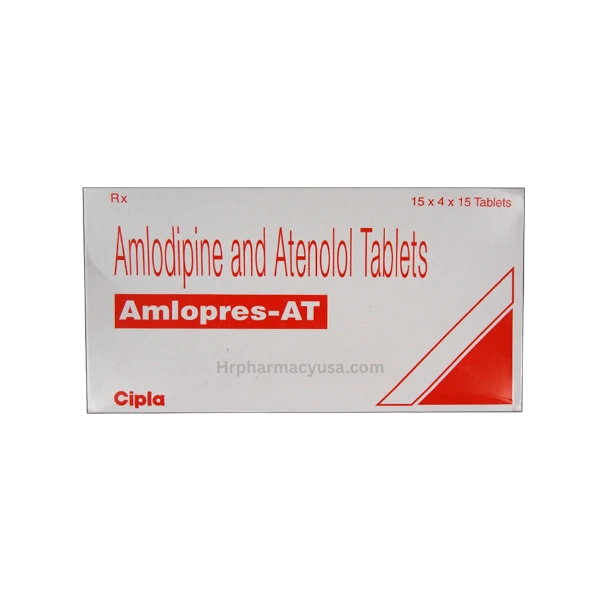
Amlopres AT 50 mg (Amlodipine/Atenolol)
Price range: $19.00 through $36.00
Esval-Sure 2 Mg (Estradiol) is a prescription estrogen tablet used to help manage moderate to severe menopausal symptoms like hot flashes, night sweats, and vaginal dryness. It may also be prescribed for low estrogen levels due to other causes and for bone health support when other options are not suitable. Please take it as directed by your healthcare provider and use the lowest effective dose for the shortest time necessary to meet your treatment goals.
| Active Ingredient: | Amlodipine/Atenolol |
|---|---|
| Indication: | High blood pressure, Chest pain (Angina) |
| Manufacturer: | Cipla Limited |
| Packaging: | 10 tablets in 1 strip & 15 tablets in 1 strip |
| Strength: | 50mg |
| Delivery Time: | 6 To 15 days |
In Stock
Amlopres AT 50 mg (Amlodipine/Atenolol)
Amlopres AT 50 mg (Amlodipine/Atenolol) is a fixed-dose combination tablet commonly used to manage high blood pressure and help prevent angina symptoms. It combines two well-known medications that target blood pressure from different angles. Amlodipine relaxes and widens blood vessels. Atenolol slows the heart rate and eases the heart's workload. That combined effect can lower your numbers more consistently than one medicine alone for many people. If you are switching from two separate pills to a single combo, the main benefit is convenience. Using fewer tablets can make it easier to stay on track, which is important because steady dosing is crucial for maintaining good blood pressure control. This product is generally taken once daily, at the same time each day, with or without food. It is prescription-only. Always follow your prescriber's instructions. Note on strength: Names like "Amlopres AT 50 mg" typically refer to the atenolol strength in the combo. Many brands pair atenolol 50 mg with amlodipine 5 mg. Formulations can vary by manufacturer, so check your package label to confirm the exact amounts in your tablets. If your doctor intended a different ratio, please notify the pharmacy before you start.How it works
- Amlodipine is a calcium channel blocker. It relaxes the blood vessel walls, allowing blood to flow more easily. That can help lower systolic and diastolic blood pressure and reduce angina episodes by improving oxygen supply to the heart muscle.
- Atenolol is a beta blocker. It lowers the heart rate, reduces the force of heart contractions, and decreases the heart's oxygen demand. This helps lower blood pressure and prevent chest pain triggered by exertion or stress.
Who might use this
- Adults who need treatment for hypertension, particularly if a single medicine has not achieved target numbers.
- People with both high blood pressure and exercise-induced chest pain who need a convenient once-daily option.
- Individuals already on amlodipine and atenolol separately are moving to a combined tablet for simplicity.
How to take it
- Take exactly as prescribed, usually one tablet daily at the same time.
- You can take it with or without food. If it upsets your stomach, try it with a meal.
- Swallow whole with water. Do not crush or split unless your pharmacist confirms it is safe for your specific tablet.
- Do not stop atenolol suddenly. Beta blockers should be tapered under medical guidance to avoid rebound chest pain or a blood pressure spike.
Possible side effects
Many people tolerate this combination well. Some side effects are more common when starting or after a dose increase and often improve as your body adjusts to the medication.Common:
- Dizziness or lightheadedness, especially when standing up fast
- Tiredness, low energy
- Headache, flushing
- Swollen ankles or feet
- Slow heart rate
- Cold hands or feet
Less common but important:
- Shortness of breath or wheezing
- Fainting, very slow pulse
- New or worsening chest pain
- Severe swelling, sudden weight gain
- Mood changes or sleep disturbances
- Signs of an allergic reaction, such as rash, itching, or swelling of the face, lips, or throat
Warnings and precautions
- Heart rate and rhythm: Atenolol lowers heart rate. Individuals with very low baseline heart rates or specific rhythm disorders require close monitoring.
- Asthma and COPD: Beta blockers can trigger bronchospasm. Atenolol is more heart-selective than some other beta blockers; however, caution is still necessary.
- Diabetes: Beta blockers may mask signs of low blood sugar, like a fast heartbeat. Check your glucose levels regularly and watch for other symptoms, such as sweating or confusion.
- Peripheral circulation issues: Cold hands or feet can worsen. Report changes to your provider.
- Liver or kidney conditions: Your healthcare provider may adjust your dosage or monitor you more closely.
- Pregnancy and breastfeeding: Atenolol is generally not preferred in pregnancy and passes into breast milk. If you are pregnant, planning pregnancy, or nursing, discuss safer options with your clinician before use.
- Alcohol: Can increase dizziness and lower blood pressure further.
- Driving and machinery: Until you know how you react, be careful with tasks that require alertness.
Drug interactions to know
Always share a complete list of your medications and supplements with your healthcare provider and pharmacist. Not all interactions are listed here.- Other blood pressure drugs: ACE inhibitors, ARBs, diuretics, alpha blockers, or other beta blockers can enhance BP lowering. Your dose may need adjustment.
- Heart rhythm or rate medications: Verapamil or diltiazem, when combined with a beta blocker, can slow the heart rate too much. This combination needs careful supervision.
- Nitrates or PDE5 inhibitors: Nitroglycerin, sildenafil, and tadalafil can add to blood pressure-lowering effects. Use under physician guidance.
- Clonidine: If you take clonidine with a beta blocker, stopping clonidine suddenly can spike BP. Follow a provider-approved taper plan.
- NSAIDs: Ibuprofen and naproxen may blunt BP control if used regularly. Acetaminophen is often preferred for pain, if appropriate for you.
- Certain antibiotics or antifungals, such as macrolides like clarithromycin, azole antifungals, and some HIV medications, can increase the levels of amlodipine.
- Grapefruit or grapefruit juice: Can increase amlodipine levels for some people. It's best to limit or avoid it unless your provider says it is okay.
- Decongestants and stimulants: Products with pseudoephedrine or phenylephrine can raise blood pressure and heart rate. Check labels or ask a pharmacist.
Tips for best results
- Take it at the same time every day. A phone reminder helps.
- Stand up slowly from sitting or lying positions to reduce dizziness.
- Keep a simple BP log at home. Note readings, time of day, and how you feel.
- Combine these lifestyle steps with the ones your doctor recommends, such as a heart-healthy diet, regular physical activity, and a reduced sodium intake.
- Do not stop abruptly. If you need to change or discontinue your medication, your prescriber will set a taper plan.
Storage and handling
- Store at room temperature, away from heat and moisture.
- Please keep the product in its original packaging, such as the blister or bottle, until use.
- Keep out of reach of children and pets.
- Do not use past the expiration date printed on your package.
Available strengths
Amlodipine and atenolol combinations come in several strengths across different brands. The exact mix can vary. Commonly found options include: Always check your pack to confirm the exact strength you receive. If your doctor has specified a particular ratio, ensure your order matches it.Who should not use it?
- People with severe bradycardia, second or third degree heart block, or sick sinus syndrome, unless a pacemaker is in place
- Those with untreated heart failure or cardiogenic shock
- Known severe allergic reaction to amlodipine, atenolol, or similar medicines
What customers often ask about is price and buying.
When comparing the cost of Amlopres AT 50 mg online, consider the tablet count, shipping, and whether a prescription is required. Check the exact amounts of amlodipine and atenolol on the label. For many shoppers, buying a 60- or 90-count pack lowers the per-tablet price. If you are new to this combination, it is wise to start with a smaller supply to ensure the strength is right for you.FAQs About Amlopres AT 50 mg
Q1: What is Amlopres AT 50 mg used for? A1: It is commonly prescribed to manage high blood pressure and to help prevent chest pain due to angina. The amlodipine component relaxes blood vessels, and the atenolol component slows the heart rate. Together, they help lower blood pressure and reduce the heart's workload. Q2: How long does it take to work? A2: Some people notice steadier readings within a few days. It may take 2 to 4 weeks to see the full effect on blood pressure. Keep taking it daily as directed and track your home readings. If you do not see improvement or feel worse, contact your provider. Q3: Can I drink alcohol while taking this? A3: Light to moderate alcohol may increase dizziness or make blood pressure drop more than expected. Many clinicians suggest limiting alcohol, especially when you are just starting or adjusting the dose. If you drink, do so cautiously and avoid driving until you know how you react. Q4: Is Amlopres AT 50 mg safe for people with asthma? A4: Beta blockers can trigger bronchospasm in some people with asthma or COPD. Atenolol is more selective for the heart than some other beta blockers; however, caution is still necessary. If you have any breathing issues, consult your doctor before starting and report wheezing or shortness of breath immediately. Q5: What if my ankles swell while taking it? A5: Mild ankle swelling can occur with amlodipine. Elevating your legs and reducing sodium may help. If swelling is significant, uncomfortable, or sudden, tell your doctor. A dose adjustment or a companion medication may be considered if the swelling does not settle.| size | 120 Tablet/s, 60 Tablet/s, 90 Tablet/s |
|---|



Reviews
There are no reviews yet.