


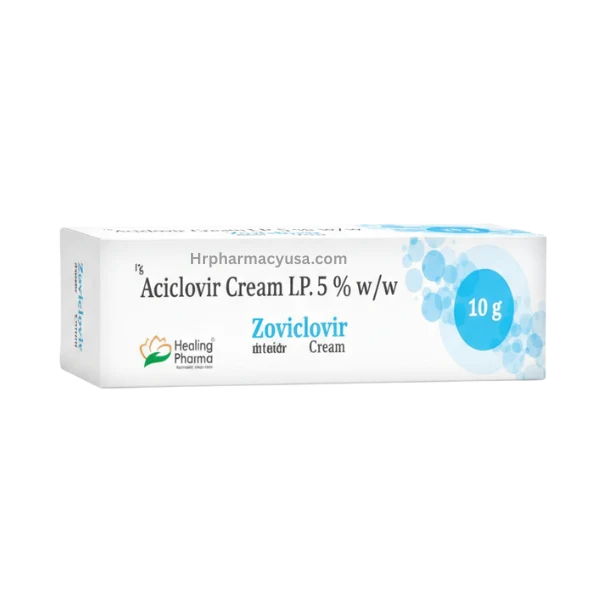
Acyclovir 5% Cream 10g
Price range: $18.00 through $55.00
Acyclovir 5% Cream 10g is a topical antiviral medication used to treat skin infections caused by the herpes simplex virus, including cold sores (herpes labialis) and genital herpes. It helps reduce symptoms such as pain, itching, and burning while speeding up the healing process.
| Active Ingredient | Acyclovir |
|---|---|
| Manufacturer | Healing Pharma, India |
| Packaging | 10gm Tube |
| Strength | 5% |
| Delivery Time | 6 to 15 days |
In Stock
Acyclovir 5% Cream 10g – Real-World User Guide
So, you’ve got a tube of Acyclovir 5% Cream in your hand. Maybe your doctor gave it to you, or you picked it up from the pharmacy after seeing a cold sore pop up. You’re probably wondering, “What exactly is this cream? How do I use it? Will it really work?” Let’s break it down in simple, everyday language—no medical mumbo jumbo, just the stuff you actually want to know.What is Acyclovir 5% Cream?
Acyclovir 5% Cream is a topical medicine, which means you put it on your skin, not in your mouth. The main ingredient, acyclovir, is an antiviral. It’s made to fight off certain viruses, mainly the ones that cause cold sores (herpes simplex virus). If you’ve ever had a tingly, itchy, or burning spot on your lip that turns into a blister, you know what I’m talking about. This cream doesn’t cure herpes or cold sores forever, but it helps them heal faster and makes them less painful. It can also help stop the sore from getting bigger if you catch it early.What Does Acyclovir Cream Do?
Here’s the deal: when you feel that first tingle or see a small bump, the herpes virus is already at work under your skin. Acyclovir cream goes right to the spot and slows down the virus, so the cold sore doesn’t get as bad. If you use it early, you might even stop the blister from forming at all. It’s not just for cold sores on your lips. Sometimes, doctors tell people to use it for genital herpes outbreaks or other skin infections caused by the herpes virus. But most folks use it for those annoying lip blisters.Who Should Use Acyclovir Cream?
- People who get cold sores on their lips or around their mouth
- Anyone who’s had a herpes simplex outbreak before and wants to treat it fast
- Sometimes, people with genital herpes (but always ask your doctor first)
- Not for kids under 12 unless a doctor says so
How to Use Acyclovir 5% Cream
- Start early: The sooner you use it, the better. As soon as you feel that tingle or see a bump, get the cream out.
- Wash your hands: Before and after using the cream, always wash your hands. You don’t want to spread the virus.
- Apply a thin layer: Squeeze out a little bit (pea-sized is enough) and gently dab it on the sore. Don’t rub it in too hard.
- How often: Usually, you use it 5 times a day, about every 4 hours, for 4 to 5 days.
- Don’t cover with a bandage: Let the area breathe.
- Don’t get it in your eyes or mouth: If it happens, rinse with water.
What to Expect When You Use It
Don’t expect the cold sore to vanish in an hour. Most people notice the sore heals faster—maybe a day or two sooner than if you did nothing. The pain and itching should also be less. If you use it at the very first sign, you might even stop the blister from getting big. If you start late (after the blister is already there), it still helps, but not as much as if you catch it early.Common Side Effects
Most people don’t have any big problems with Acyclovir cream, but here’s a quick table for you:| Side Effect | What You Can Do |
|---|---|
| Mild burning or stinging | Usually goes away in a few minutes |
| Dry or flaky skin | Use a gentle moisturizer nearby (not on the sore) |
| Itching | Try not to scratch, it fades soon |
| Redness | Should settle down on its own |
Rare But Serious Side Effects
- Allergic reaction (rash, swelling, trouble breathing)
- Severe irritation or open sores that get worse
Who Shouldn’t Use Acyclovir Cream?
- If you’re allergic to acyclovir or any ingredient in the cream
- If your doctor says you have a special skin condition that makes it unsafe
How to Store Acyclovir Cream
- Keep it at room temperature, away from heat and sunlight
- Don’t freeze it
- Keep the cap tightly closed
- Don’t let kids or pets get to it
Real-Life Tips
- Don’t share your cream with anyone else, even if they have a cold sore too
- Don’t use makeup or lipstick on the sore while you’re treating it
- Try not to touch the sore unless you’re putting on the cream
- Wash your hands every time, before and after
- Don’t kiss anyone or share drinks while you have a cold sore
Related Products
If your doctor thinks you need something different, here are some other options you might hear about:- Acyclovir tablets – For more serious outbreaks, sometimes you need pills
- Valacyclovir tablets – Another antiviral, works a bit differently
- Docosanol cream (Abreva) – Over-the-counter option for cold sores
- Pain relief gels – For numbing the area if it really hurts
Frequently Asked Questions (FAQs)
Q: Can I use Acyclovir cream inside my mouth or nose? A: No, it’s only for skin. If you get it inside by accident, rinse with water. Q: How soon should I start using the cream? A: As soon as you feel the tingle or see a bump. The earlier, the better. Q: Can I use it on genital herpes? A: Sometimes, but only if your doctor says so. Don’t use it on broken skin or open wounds. Q: What if I forget a dose? A: Just use it as soon as you remember, then go back to your regular schedule. Q: Can I use makeup over the cream? A: It’s better not to. Let the area breathe and heal. Q: Is it safe during pregnancy or breastfeeding? A: Usually yes, but always check with your doctor first. Q: Can I use it for pimples or other rashes? A: No, it’s only for cold sores or herpes virus infections.| size | 12 Cream/s, 3 Cream/s, 6 Cream/s |
|---|

Reviews
There are no reviews yet.