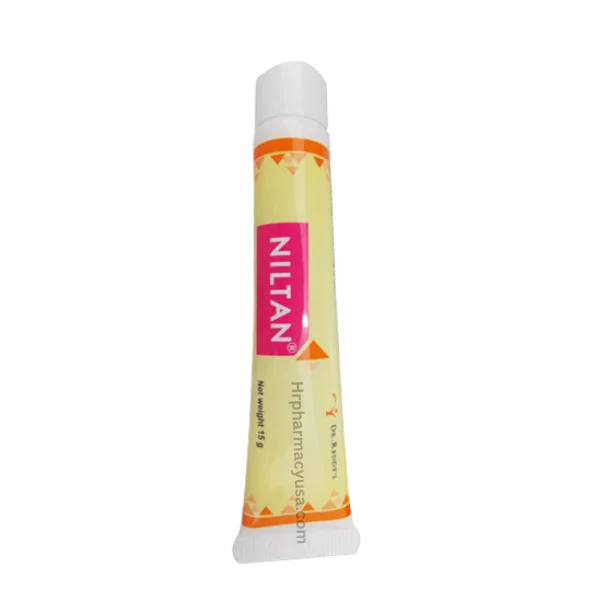
Niltan Cream - What Actually Works
Look, I'm not going to sugarcoat this - dealing with a
fungal infection sucks. When my doctor first handed me a tube of Niltan cream last year, I honestly thought it was just another expensive cream that wouldn't do much. Boy, was I wrong. After using it for two different infections over the past year, I've learned some things that I wish someone had told me from the start.
How I ended up needing this stuff
So picture this - it's the middle of summer, I'm hitting the gym regularly, and I start noticing this weird itchy patch between my toes. At first, I figured it was just from sweaty socks or something. You know how it is - you ignore these things hoping they'll just go away.
Well, three weeks later, not only did it not go away, but it actually spread. The itching got so bad I was scratching through my socks during meetings at work. Finally, my girlfriend basically forced me to see a doctor because I was being miserable about it.
Dr. Patel took one look and said, "Classic athlete's foot. Very common, nothing to be embarrassed about." Then he prescribed Niltan cream and gave me this whole speech about how I needed to be patient with the treatment.
The first week reality check
Here's what nobody tells you about antifungal creams - they don't work overnight like you see in commercials. The first few days, I was applying this cream religiously, expecting some miracle transformation.
Day 1-3: Honestly, nothing much happened. The cream felt cool when I applied it, which was nice, but the itching was still there.
Day 4-5: I started noticing the itching wasn't as intense, especially in the mornings.
Day 6-7: The redness was definitely less angry-looking, and I wasn't scratching unconsciously anymore.
But here's the thing - I almost gave up after day 3 because I wasn't seeing dramatic results. Thank god I stuck with it.
What I learned about using it properly
The application routine that actually worked:
- Morning: After shower, dry feet completely, apply thin layer
- Evening: Before bed, clean area, dry thoroughly, apply again
- Sometimes midday if I was home and remembered
The key thing I figured out was the drying part. I used to just towel off quickly and slap the cream on. But when I started using a hair dryer on cool setting to make sure the area was bone dry, the cream worked way better.
My biggest mistakes in the first week:
- Not cleaning the area properly before applying
- Using too much cream (more isn't better, apparently)
- Forgetting to wash my hands after application
- Wearing the same socks I'd worn before starting treatment
The turning point - week 2
This is when things got interesting. The visible symptoms were mostly gone by day 10, and I was feeling pretty good about myself. I started getting lazy with applications, thinking I was basically cured.
Wrong move. By day 14, I noticed some itching coming back. Called the doctor, and he explained that just because you can't see the infection doesn't mean it's completely gone. The fungus can still be there, just not causing visible symptoms yet.
That's when I learned the most important lesson: you have to keep using the cream for at least a week or two after everything looks normal. It's like making sure you kill every last bit of the infection.
Round two - the diaper rash situation
Fast forward six months, and my sister asked me to help with my nephew who had this persistent diaper rash. Nothing was working - not the regular diaper cream, not the expensive organic stuff, nothing.
I mentioned Niltan cream to her, and after checking with their pediatrician, we tried it. Within three days, the rash was noticeably better. Within a week, it was completely gone.
This taught me that this cream isn't just for athlete's foot - it works on different types of fungal infections. The baby's skin was way more sensitive than mine, but the cream was gentle enough that it didn't cause any irritation.
What actually happens when you use it
From my experience, here's the realistic timeline:
Days 1-3: You might not notice much change. Don't panic.
Days 4-7: Itching starts to decrease, redness begins to fade.
Days 8-14: Visible symptoms mostly disappear, but keep using it!
Days 15-21: This is the "insurance period" - keep applying to make sure the infection is completely gone.
Week 4+: You should be completely clear if you've been consistent.
The side effects I actually experienced
Most of the scary stuff you read online didn't happen to me, but here's what I did notice:
Mild stuff:
- Slight stinging for the first few seconds after application (went away after a few days)
- The treated area felt a bit dry, especially in the morning
- Very mild redness around the edges of where I applied it (probably from rubbing it in too vigorously)
Things that worried me but were normal:
- The skin looked a bit flaky as it healed (doctor said this was normal)
- Sometimes the itching seemed worse right after applying (apparently this can happen as the medicine starts working)
Practical tips that nobody mentions
For better results:
- Change your socks twice a day if possible
- Use antifungal powder in your shoes
- Don't share towels with anyone during treatment
- Wash your sheets and towels in hot water weekly
- Keep the tube of cream in your bathroom so you don't forget to use it
Money-saving tips:
- Generic nystatin cream works just as well as brand name Niltan
- Buy the larger tube if you're treating a bigger area - it's more cost-effective
- Some insurance plans cover it, some don't - ask your pharmacist about generic options
When to worry and call the doctor
I learned this the hard way during my second week when I thought the infection was coming back. Here's when you should actually be concerned:
- If it gets worse after a week of consistent use
- If you develop a fever along with the skin infection
- If the area becomes very red, swollen, or starts oozing (could be a bacterial infection on top of the fungal one)
- If you have any allergic reaction symptoms
The mental game nobody talks about
Here's something I wasn't prepared for - the psychological aspect. Having a fungal infection, especially somewhere visible or embarrassing, really messes with your confidence. I found myself avoiding certain activities, being self-conscious about taking my shoes off, and generally feeling gross about myself.
The good news is that once the treatment starts working, that mental burden lifts pretty quickly. By week 2, I was back to my normal routine and not thinking about it constantly.





Reviews
There are no reviews yet.