


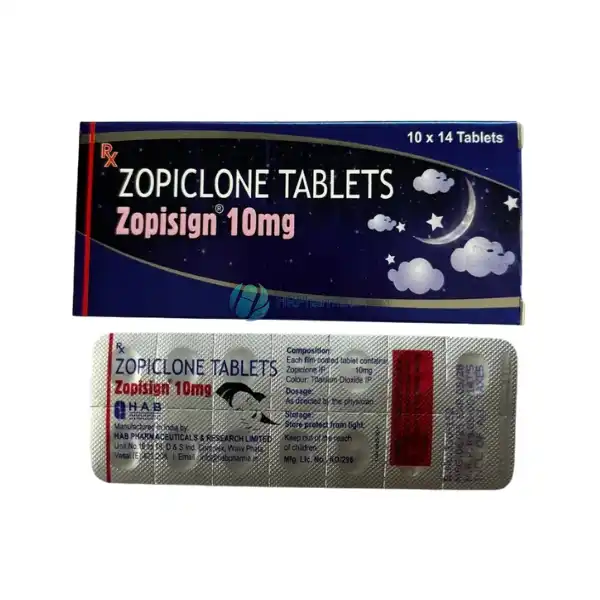
Zopiclone 10 Mg (Sleeping Pills)
| Active Ingredient | Zopiclone |
|---|---|
| Indication | Anxiety and Insomnia |
| Manufacturer | HAB Pharmaceuticals & Research Ltd. |
| Packaging | 10 tablets in 1 strip |
| Strength | 10 mg |
| Delivery Time | 6 To 15 days |
Zopiclone 10 Mg (Sleeping Pills)
Zopiclone 10 Mg (Sleeping Pills) is a prescription sleep medication often used when insomnia begins to interfere with daily routines such as work, focus, mood, or energy.
If you are lying awake for long stretches, waking up repeatedly, or waking too early and cannot fall back asleep, medicines like zopiclone are sometimes used short-term to help reset sleep for a brief period.
Zopiclone belongs to a group of medicines commonly called “Z-drugs.” They are designed to help with sleep by acting on GABA receptors in the brain (the same calming pathway affected by some sedatives).
The goal is to reduce overactive alertness at bedtime so sleep can happen more naturally. People often describe the effect as “switching the mind down” rather than knocking them out, though effects vary person to person.
What it’s typically used for
Zopiclone is generally prescribed for short-term insomnia, not ongoing long-term sleep issues. Many clinicians prefer using it for a limited window while also addressing the root causes of poor sleep, like stress, shift changes, pain, poor sleep timing, or certain medications.
If insomnia has been going on for weeks, it is worth discussing a broader plan with a clinician rather than relying on nightly sleeping pills.
How to take it
Zopiclone is usually taken right before getting into bed. Most people are advised to make sure they can get a full night's sleep (often 7 to 8 hours), since next-day drowsiness and slowed reaction time can occur. Taking it and then staying up, scrolling on a phone, working, or driving can raise the chance of risky behaviors and memory gaps.
A higher dose, like 10 mg, may be more than the typical starting dose for many adults, so it matters to follow the specific instructions you were given. Do not increase your dose on your own if it “stops working.” That can raise side effects and dependence risk.
Common side effects
Some side effects are more common and usually mild, such as:
- Bitter or metallic taste in the mouth (reported often with zopiclone)
- Dry mouth
- Dizziness, grogginess, or “hangover” feeling the next day
- Headache
- Reduced coordination, especially if sleep time is cut short
More serious effects can happen and need medical attention, such as allergic reactions (swelling, rash), severe confusion, unusual agitation, worsening depression, or abnormal behaviors during sleep.
Important safety warnings
Sleeping medicines can be habit-forming, especially if taken daily for longer than prescribed. Stopping suddenly after regular use may lead to rebound insomnia or withdrawal symptoms. If you have used it consistently, a clinician may recommend a taper rather than an abrupt stop.
Also, be cautious about complex sleep behaviors. Medicines in this category have been associated with rare reports of sleepwalking, sleep-driving, or doing activities while not fully awake, with little to no memory afterward. The risk goes up with alcohol, other sedatives, or taking more than prescribed.
Drug and alcohol interactions
Alcohol is a major concern with zopiclone because it can multiply sedation and slow breathing. Other medicines that can worsen drowsiness include opioids, benzodiazepines, some antihistamines, and certain anxiety or seizure medications.
Zopiclone is mainly processed by liver enzymes (often CYP3A4), so some antibiotics or antifungals may raise levels, while some seizure medicines may lower them. Always share a full medication list with your prescriber.
Who should be extra careful
People with breathing problems during sleep (like sleep apnea), significant lung disease, liver impairment, a history of substance use disorder, or older adults who are prone to falls may need different dosing or a different option.
Zopiclone is not a fit for everyone, and it is generally not recommended without careful medical guidance during pregnancy or breastfeeding.
Available strengths (dosages)
Zopiclone tablets are commonly available in multiple strengths, including:
- Zopiclone 3.75 mg
- Zopiclone 7.5 mg
- Zopiclone 10 mg
Your starting dose and maximum dose depend on factors like age, other medications, liver function, and how sensitive you are to sedation.
Substitute options already on the market
If zopiclone is not appropriate or not tolerated, a clinician may consider other prescription sleep aids depending on the sleep pattern and medical history, such as:
- Zopisign 7.5mg (Zopiclone Sleeping Pill)
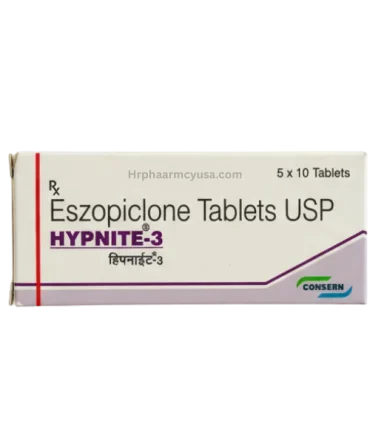
- Eszopiclone (related medication): Hypnite 3mg (Eszopiclone)
- Zolpidem (immediate-release or extended-release)
- Zaleplon
- Temazepam (a benzodiazepine sometimes used for short-term)
- Low-dose doxepin (often used for sleep maintenance)
- Trazodone (commonly used off-label for sleep in some patients)
The “best” substitute depends on whether the main issue is falling asleep, staying asleep, early waking, anxiety at bedtime, or medication sensitivity the next day.
FAQs
1. Can I split Zopiclone 10 mg in half?
Only do this if your prescriber and the tablet design allow it. Some tablets are scored for splitting, others are not. Uneven splitting can also affect dosing.
2. How long can zopiclone be detected in the body?
Detection time varies by test type, dose, and metabolism. Some people may have measurable amounts for a couple of days. If drug testing matters for your job, ask a clinician for guidance.
3. Can I take zopiclone if I work night shifts and sleep during the day?
Sometimes, but timing matters. The key is taking it right before your main sleep period and ensuring you have enough uninterrupted time to sleep. A clinician can help adjust for shift-work sleep disorder.
4. What if I accidentally take a second dose the same night?
Do not drive. Do not take any other sedating medicine or alcohol. If you feel severely drowsy, confused, have slowed breathing, or cannot be safely monitored, seek urgent medical help or contact Poison Control.
5. Does zopiclone cause memory problems?
It can affect some people, especially if you stay awake after taking it or combine it with alcohol or other sedatives. This may look like forgetfulness or a lack of recall of late-night conversations. If it happens, tell your prescriber.
| size | 140 Tablets, 280 Tablets, 420 Tablets, 70 Tablets |
|---|

Reviews
There are no reviews yet.