



Xylocaine 30 ml Injection (Lidocaine)
Price range: $59.94 through $109.89
| Active Ingredient: | Lidocaine |
|---|---|
| Indication: | Local anesthesia (Numb tissues in a specific area), Arrhythmias |
| Manufacturer: | German Remedies Private Ltd |
| Packaging: | 30ml in Vial |
| Strength: | 30ml |
| Delivery Time: | 6 To 15 days |
In Stock
Xylocaine 30 ml Injection (Lidocaine)
Xylocaine 30 ml Injection (Lidocaine) is a well-known numbing medicine that clinicians rely on when they need reliable, predictable local anesthesia. it temporarily blocks pain signals in the area where it’s applied or injected. That’s why it’s commonly used for things like stitching a cut, draining a small abscess, performing minor skin procedures, or numbing a specific region for a nerve block. In some hospital settings, lidocaine may also be given through a vein for certain abnormal heart rhythms, but that use is typically managed with monitoring and strict dosing protocols.What Xylocaine (lidocaine) does
Lidocaine belongs to a group of medicines called local anesthetics. It works by calming nerve activity so pain signals don’t travel the usual way. The goal is not to “knock you out,” but to numb a targeted area so a procedure can be done with less discomfort. The effect is temporary and wears off after a period that depends on the dose, the injection site, and your individual factors.Common medical uses
Providers may choose lidocaine injection for the following:- Local infiltration (numbing a small area of skin and tissue)
- Minor surgical and dermatology procedures
- Wound repair (like suturing)
- Certain dental and oral procedures (depending on the formulation used)
- Nerve blocks are used to numb a larger region.
- Specific inpatient uses for arrhythmias when administered IV under supervision.
Important safety information to know before use
Because the product is an injectable anesthetic, it’s meant to be used by trained professionals, not for self-injection. It’s important to tell your provider if you have:- A history of allergy to lidocaine or other “-caine” anesthetics
- Heart rhythm conditions, slow heartbeat, or a history of heart failure
- Liver disease (lidocaine is processed largely by the liver)
- Seizure history
- Very low blood pressure, severe infection, or serious illness that could affect medication handling
Lidocaine side effects
Side effects can vary based on where lidocaine is used and how it’s given. Mild effects may include:- Temporary stinging or burning at the injection site
- Bruising
- Local swelling
- Severe dizziness
- Ringing in the ears
- Metallic taste
- Confusion
- Tremors
- Seizures
- Trouble breathing
- Irregular heartbeat
Available strengths and presentation
Lidocaine injection is made in multiple strengths and container types. Availability can vary by supplier and manufacturer, but commonly seen options include:- 0.5% (5 mg/mL)
- 1% (10 mg/mL)
- 2% (20 mg/mL)
- Sometimes, higher concentrations for specific indications (often handled with extra caution)
Substitutes and alternatives
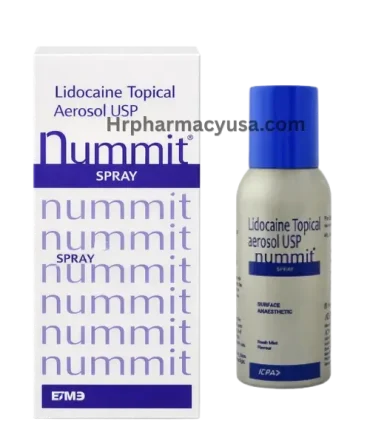
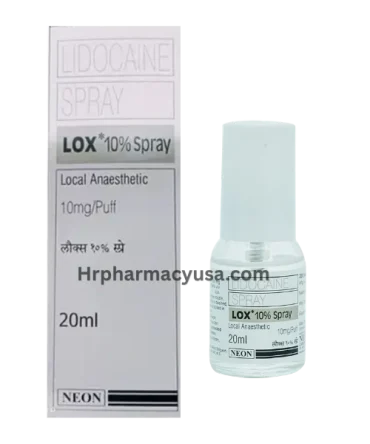
If Xylocaine (lidocaine) isn’t the chosen option, clinicians may use another local anesthetic depending on desired duration, procedure type, and patient history. Common alternatives include:- Nummit Spray (Lidocaine)
- Bupivacaine (Marcaine, Sensorcaine): often lasts longer
- Mepivacaine (Carbocaine): useful when epinephrine isn’t desired in some cases
- Prilocaine (Citanest): sometimes used in dental or regional anesthesia settings
- Procaine (Novocain): an older option used less often today in many settings
FAQs
1. Is a Xylocaine (lidocaine) injection a controlled substance?
No, lidocaine is not considered a controlled substance. It is still prescription-only in injectable form and used under professional supervision.2. Do I need a prescription to buy a lidocaine injection?
Yes. Injectable lidocaine is a prescription medication that is generally supplied for clinical or authorized medical use.3. Can Xylocaine be used during pregnancy or breastfeeding?
The use of Xylocaine during pregnancy or breastfeeding is sometimes permitted, but it depends on the specific situation and the type of procedure being performed. Your clinician weighs benefits and risks and chooses the lowest effective dose when needed.4. How long is a multi-dose vial usable after the first puncture?
This depends on the exact product labeling, storage conditions, and facility policy. Always follow the vial’s package insert and clinical standards rather than guessing.5. What’s the difference between lidocaine plain and lidocaine with epinephrine?
Epinephrine can reduce bleeding and may help the numbing effect last longer in certain areas. It is not appropriate for every site or every patient, so clinicians choose based on safety and need.| size | 12 Injection/s, 6 Injection/s, 9 Injection/s |
|---|



Reviews
There are no reviews yet.