


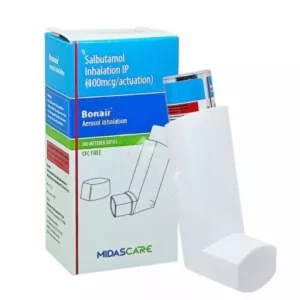
White Inhaler (Salbutamol)
Price range: $35.00 through $68.00
White Inhaler puts a reliable, pocket-friendly breathing aid in your hands. It is a compact inhalation device designed to deliver a measured dose of prescription respiratory medicine directly to your lungs. The familiar white body is easy to carry, simple to clean, and made for consistent puffs when used correctly. Check your canister or box for the exact medication and strength. Use only as directed by your healthcare provider and follow the instructions that come with your inhaler.
| Active Ingredient: | Salbutamol |
|---|---|
| Indication: | Asthma |
| Delivery Time: | 6 To 15 days |
| Manufacturer: | MidasCare Pharma |
| Packaging: | 200 MDI in 1 Inhaler |
| Strength: | 100mcg |
In Stock
White Inhaler Product Details and Guide
White Inhaler is a compact, easy-to-use device that delivers a precise dose of medicine to your lungs. If your doctor has prescribed an inhaler for asthma, exercise-induced breathing symptoms, or COPD, this white inhaler format is built for dependable performance at home, at work, and on the go. The clean, simple design helps you prime, inhale, and store it with minimal fuss so you can focus on your day.What this inhaler is used for
- Maintenance control: Many white inhalers are used daily to help control symptoms and reduce flare-ups. These often contain an inhaled corticosteroid or a combination inhaler as prescribed.
- Quick relief: Some white inhalers are used as a rescue option to relieve sudden shortness of breath or wheezing. These usually contain a short-acting bronchodilator. Use only as instructed by your clinician.
- COPD support: Certain inhalers are prescribed to help open airways and reduce symptoms in chronic obstructive pulmonary disease.
How it works
- Metered dose inhaler, often labeled HFA: You press the canister during a slow, deep inhalation. The actuator releases a small, measured spray of medicine you breathe into your lungs.
- Dry powder inhaler: You load a dose by twisting or clicking the device, then inhale quickly and deeply to draw the powder into your lungs.
- Your prescription and the device instructions will indicate which type you have. If you are unsure, check the box or ask your pharmacist or clinician.
How to use a metered dose inhaler step by step
Always read the instructions that come with your specific device. If your provider has given different instructions, follow those.- Prime if needed: If the inhaler is new or not used for a while, prime it as directed on the label. This usually means releasing a few test sprays into the air away from your face.
- Shake well: If your medicine requires it, shake the canister for a few seconds.
- Exhale: Breathe out fully, away from the inhaler.
- Seal and inhale: Place the mouthpiece between your lips and form a good seal. Begin breathing slowly and deeply through your mouth.
- Press and breathe: As you start to inhale, press down on the canister once to release a single puff, then keep breathing steadily for 3 to 5 seconds.
- Hold: Remove the inhaler from your mouth, then hold your breath for up to 10 seconds, or as long as comfortable.
- Wait for a second puff: If a second puff is prescribed, wait about 30 to 60 seconds, shake again if required, then repeat the steps.
- Rinse if using a steroid: If your inhaler contains an inhaled corticosteroid, rinse your mouth and spit to reduce the risk of throat irritation or oral thrush.
- Cap and store: Replace the cap and keep the inhaler clean and dry.
How to use a dry powder inhaler at a glance
- Load a dose using the device's twist, slide, or click method.
- Exhale entirely away from the device. Do not blow into it.
- Place the mouthpiece in your mouth and seal your lips.
- Inhale fast and deep. Hold your breath for up to 10 seconds, or as long as is comfortable.
- Close and store the device.
Using a spacer or holding chamber
- A spacer can make it easier to coordinate pressing and breathing with metered dose inhalers.
- If your clinician recommends a spacer, choose one that is compatible with your inhaler actuator. Follow the spacer's cleaning and usage directions.
Who can use it
- Adults and adolescents, as prescribed by a clinician.
- Children should use an inhaler only under adult supervision and clinician guidance. A spacer with a mask may be recommended for younger children using an MDI.
Care and cleaning
- Mouthpiece: Wipe the mouthpiece with a clean, dry cloth. Some MDIs allow gentle rinsing of the plastic actuator under warm water once a week. Let it thoroughly air-dry before reassembling. Do not wash the metal canister.
- DPI devices: Keep them dry. Do not wash the inside. Wipe the mouthpiece with a dry cloth.
- Keep capped: Always replace the cap to keep dust and lint out.
- Avoid heat: Do not leave inhalers in hot cars or near open flames.
Storage and travel tips
- Typical storage: Room temperature unless your label says otherwise.
- Do not freeze: Many inhalers should not be frozen. Check the packaging.
- Airport travel: In the US, you can carry inhalers in your hand luggage. Keep prescriptions accessible in case you are asked for them.
- Backup plan: If you rely on a rescue inhaler, carry a backup if possible and check expiration dates regularly.
Safety and Possible Side Effects
Side effects depend on the medication inside your inhaler.- Bronchodilators like albuterol or levalbuterol: You might feel a bit jittery, notice a faster heartbeat, or have a mild headache. If symptoms feel intense or worrying, contact your clinician.
- Inhaled corticosteroids: Possible hoarseness, sore throat, or oral thrush. Rinsing your mouth and spitting after use helps lower the risk.
- Anticholinergics: Dry mouth or throat irritation can happen. Sip water after use if allowed by your clinician.
- Seek urgent help if you have severe shortness of breath, chest pain, lips or fingertips turning blue, trouble speaking in complete sentences, or if your rescue inhaler stops working.
Who should speak to a clinician before use
- People with heart problems, high blood pressure, thyroid issues, glaucoma, or prostate issues.
- Those who are pregnant or breastfeeding.
- Anyone taking other medicines that may interact with inhaled drugs, such as certain antidepressants or beta blockers.
- If you have had allergic reactions to inhaler ingredients in the past.
When to replace your inhaler
- Dose counter at zero: Replace it. Do not keep using an empty device.
- No counter: Track puffs based on the labeled total puffs. Many MDIs contain 200 puffs. When the spray feels weak or tastes different, it may be near empty.
- Expired: Do not use after the expiration date.
Available strengths in the market
The white inhaler housing can be paired with different prescription medicines. Strengths vary by medication, brand, and device. Always confirm the exact strength on your canister or box. Common strengths seen in the US include:-
- Short-acting rescue bronchodilators
- Albuterol HFA: 90 mcg per actuation
- Levalbuterol HFA: 45 mcg per actuation
- Anticholinergic bronchodilators
- Ipratropium HFA: 17 mcg per actuation
- Inhaled corticosteroids for daily control
- Fluticasone propionate HFA: 44 mcg, 110 mcg, 220 mcg per actuation
- Beclomethasone dipropionate HFA: 40 mcg, 80 mcg per actuation
- Budesonide DPI: 90 mcg, 180 mcg per inhalation
- Mometasone: 100 mcg, 200 mcg per actuation or inhalation, depending on the device
- Combination inhalers for maintenance
- Budesonide and formoterol: 80/4.5 mcg, 160/4.5 mcg per actuation
- Fluticasone and salmeterol: 45/21 mcg, 115/21 mcg, 230/21 mcg per actuation on certain MDIs
- Mometasone and formoterol: 100/5 mcg, 200/5 mcg per actuation
- Long-acting muscarinic antagonist and other options
- Tiotropium Respimat: 1.25 mcg or 2.5 mcg per actuation
- These are examples of strengths already available in the US market. They may not all match your specific prescription. Always use the prescribed version and dose.
- Short-acting rescue bronchodilators
Tips for better results
- Technique check: Even experienced users benefit from a technique refresh. Ask your clinician or pharmacist to watch you take a dose and offer tips.
- Consistent timing: If your inhaler is for daily control, take it at the exact times each day.
- Rinse and rest: If using a steroid, rinse and spit after each use to keep your mouth healthy.
- Keep notes: Jot down when you use your rescue inhaler. If you need it more often than your plan says, reach out to your clinician.
- Asthma action plan: Keep a printed or digital copy of your plan and share it with family or coworkers who need to help in a pinch.
What is included
- One inhaler device, as pictured in the product listing.
- Cap and instructions. Some units include a dose counter. The exact contents depend on the version selected on the product page. Medication type and strength are printed on your canister label.
Who this is for
- People who have been prescribed an inhaled medication for asthma, COPD, or exercise-induced symptoms.
- Those who want a straightforward, easy-to-carry device that aligns with standard US inhaler designs.
- If you are looking for a specific medicine or dose, review the selection options on the page or contact a licensed clinician for guidance.
FAQs About White Inhaler
- What medicines can the white Inhaler deliver? The device is a delivery system for prescription inhalation medications. Common categories include rescue bronchodilators, inhaled corticosteroids for daily control, anticholinergics, and specific combination therapies. The exact medicine and dose are listed on your canister or box. If you are unsure what you have, check the label or ask your pharmacist.
- How many puffs are in an inhaler, and how do I track them? Most metered dose inhalers provide around 200 puffs, but this can vary. Many devices have a dose counter that shows the number of doses left. If there is no counter, track your puffs based on the labeled total. When the spray feels weak or tastes different, it could be near empty. Replace the inhaler when you reach the labeled number of puffs or the counter shows zero.
- Do I need a prescription in the United States? For most asthma and COPD inhalers in the US, yes, a prescription is required. There are some over-the-counter nasal inhalers, but those are different products and do not replace prescription lung inhalers. Follow US laws and your clinician's guidance when ordering.
- Can children use the white Inhaler? Children should use inhalers only with clinician guidance and adult supervision. A spacer or holding chamber with a mask may be recommended for younger children using an MDI. Your pediatrician or respiratory therapist can demonstrate the proper technique and help you practice together.
- How should I clean and store it? Keep the cap on when not in use. For MDIs, wipe the mouthpiece with a dry cloth. Some plastic actuators can be rinsed weekly with warm water, then thoroughly air-dried before reassembling. Do not wash dry powder inhalers or the metal canister. Store at room temperature away from moisture and heat. Do not freeze or leave in hot cars.
| size | 10 Inhaler/s, 5 Inhaler/s |
|---|
Related Products

Beclate Rotacaps 400 mcg (Beclomethasone Dipropionate)
Price range: $8.00 through $21.00


Reviews
There are no reviews yet.