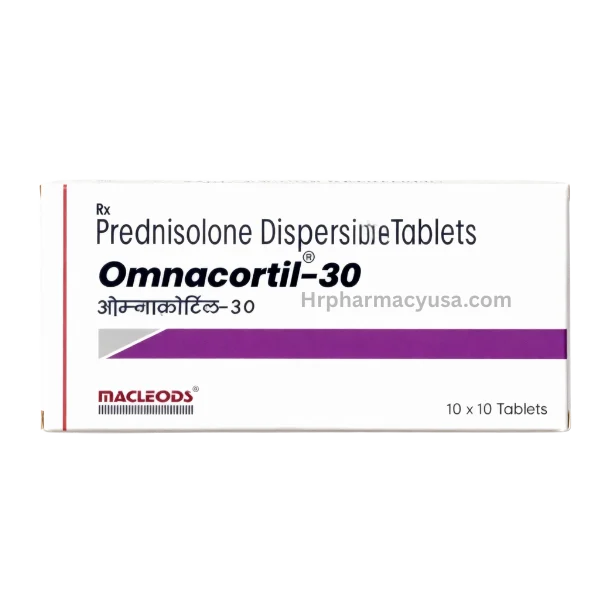
Omnacortil 30 mg (Prednisolone) – Full Product Overview
Quick Snapshot
| Item |
Details |
| Brand name |
Omnacortil |
| Active ingredient |
Prednisolone – 30 mg per tablet |
| Drug class |
Corticosteroid – anti‑inflammatory, immunosuppressant |
| Form |
Film‑coated round tablet, white, debossed “30 MG” |
| Prescription status |
Rx‑only |
| Typical strengths |
5 mg, 10 mg, 30 mg (this pack) |
| Shelf life |
2 years from manufacture, see label for exact date |
| Storage |
Cool, dry place, away from direct sunlight; keep out of children’s reach |
What Omnacortil Actually Does
Your body naturally makes a hormone called
cortisol. Cortisol helps keep inflammation in check and tells the immune system when to back off. In many diseases—autoimmune disorders, severe allergies, asthma attacks, certain cancers—the immune system gets a little too enthusiastic and starts attacking the body’s own tissues. That’s where
prednisolone, the active part of Omnacortil, steps in.
In plain words, prednisolone is a
synthetic version of cortisol. It binds to the same receptors in your cells, telling them to slow down the production of inflammatory chemicals (like prostaglandins and leukotrienes) and to calm the activity of immune cells. The result? Swelling goes down, pain eases, and the body stops over‑reacting.
Because it works system‑wide, Omnacortil can be used for a
wide range of conditions. Below is a non‑exhaustive list of the most common reasons doctors prescribe it:
- Rheumatoid arthritis – reduces joint swelling and stiffness.
- Severe asthma or COPD exacerbations – eases airway inflammation, making breathing easier.
- Systemic lupus erythematosus (SLE) – controls flare‑ups that could damage kidneys, skin, or the brain.
- Allergic reactions – especially when skin rashes, angio‑edema, or hives are intense.
- Dermatologic conditions – psoriasis, severe eczema, or bullous skin diseases.
- Certain cancers – part of chemotherapy protocols for leukemias, lymphomas, and some solid tumours.
- Organ transplantation – prevents the body from rejecting a new organ.
- Inflammatory bowel disease (Crohn’s, ulcerative colitis) – helps calm gut inflammation.
The exact dose, length of treatment, and whether the drug is used alone or together with other medicines depends on the specific disease, its severity, and the patient’s overall health.
How to Take Omnacortil 30 mg Correctly
- Swallow the tablet whole – the film coating is there to make it easier to swallow and to protect the stomach lining a bit. Don’t crush, chew, or split unless your doctor specifically tells you to.
- Take with food or milk – a small snack or a glass of milk can reduce the chance of heartburn.
- Morning dosing is common – most people find taking it in the early part of the day works best for sleep patterns. If you need a split dose (e.g., morning and evening), follow the exact schedule your prescriber gave you.
- Never stop abruptly – after a few weeks of therapy your adrenal glands may have reduced their own cortisol production. Stopping suddenly can cause adrenal insufficiency, which feels like severe fatigue, nausea, low blood pressure, and dizziness. Doctors usually taper the dose gradually.
- If you miss a dose – take it as soon as you remember, unless it’s almost time for the next scheduled dose. In that case, skip the missed one—don’t double up.
- Stay consistent – try to take the tablet at the same time each day. Consistency helps keep blood levels stable and reduces side‑effects.
Who Needs to Be Extra Cautious
| Situation |
Why It Matters |
What to Do |
| Pregnancy or breastfeeding |
Steroids cross the placenta and can affect the baby. |
Use only if the doctor says the benefit outweighs the risk. |
| Diabetes (type 1 or type 2) |
Prednisolone can raise blood glucose. |
Monitor sugar closely; dose of insulin or oral meds may need adjustment. |
| High blood pressure / heart disease |
Fluid retention and sodium retention can worsen BP. |
Check blood pressure regularly; doctor may add a diuretic. |
| History of stomach ulcers or gastritis |
Steroids irritate the gastric lining. |
Often prescribed a proton‑pump inhibitor (e.g., omeprazole) alongside. |
| Elderly patients |
Higher risk of osteoporosis, cataracts, and infections. |
Calcium + vitamin D, bone‑density monitoring, and infection vigilance. |
| Known allergy to prednisolone or any tablet excipient |
Risk of severe allergic reaction. |
Avoid the drug completely; inform the prescriber. |
If any of these apply to you, make sure your doctor knows. They may start you on a lower dose, add protective meds, or schedule more frequent check‑ups.
Common Side‑Effects (What to Expect)
Most people tolerate a short course of Omnacortil without major problems. Still, it’s good to know what can happen so you can spot it early.
Frequently reported (1‑10 % of users)
- Increased appetite → possible weight gain.
- Fluid retention → mild swelling of ankles or face.
- Stomach upset → heartburn, nausea, occasional indigestion.
- Mood changes → irritability, euphoria, or mild depression.
- Sleep disturbances → difficulty falling asleep.
Less common (0.1‑1 %)
- Elevated blood sugar – especially in diabetics.
- Easy bruising or thin skin – the skin can become more fragile.
- Muscle weakness – especially with prolonged use.
- Facial rounding (“moon face”) – a classic steroid sign after weeks of high dose.
Rare but serious (≤ 0.1 %)
- Severe allergic reaction – hives, swelling of lips/tongue, trouble breathing.
- Infections – steroids suppress immunity, so bacterial, fungal, or viral infections can appear more easily.
- Osteoporosis or fractures – long‑term use can thin bones.
- Avascular necrosis – death of bone tissue, usually in the hip.
- Cushing‑like syndrome – persistent high‑dose exposure leading to characteristic fat redistribution, high blood pressure, and glucose intolerance.
If you notice any of the serious signs—high fever, severe stomach pain, sudden vision changes, or swelling of the face/lips—call your doctor or go to the nearest emergency department right away.
Interactions With Other Medicines
Because Omnacortil works system‑wide, it can affect how other drugs behave. Below are the most common culprits:
| Drug / Class |
Interaction Details |
| NSAIDs (ibuprofen, naproxen, diclofenac) |
Combined use raises risk of stomach ulcers and bleeding. |
| Anticoagulants (warfarin, heparin) |
Steroids may alter clotting factors; INR monitoring may be needed. |
| Diabetes medications (insulin, metformin, sulfonylureas) |
Blood glucose can rise; dose adjustments often required. |
| Vaccines (especially live vaccines) |
Immune response may be blunted; timing of vaccination should be discussed. |
| Antibiotics (fluoroquinolones, tetracyclines) |
Slightly higher risk of tendon rupture when taken together. |
| Antifungals (ketoconazole, itraconazole) |
Can increase steroid levels, leading to more side‑effects. |
| Hormonal contraceptives |
May become less effective; backup contraception advised. |
Always hand over a complete medication list—including over‑the‑counter drugs, herbal supplements, and vitamins—to any new prescriber. A quick pharmacy check can prevent nasty surprises.
Why Choose the 30 mg Strength?
- Precise dosing – For many acute flare‑ups, a 30 mg dose hits the sweet spot: strong enough to quell inflammation quickly, yet still manageable for tapering later.
- Convenient for tapering – When the doctor wants to step the dose down (e.g., 30 mg → 20 mg → 10 mg), having a 30 mg tablet makes it easy to split the regimen without needing many different strengths.
- Film coating – Reduces the chance of a gritty feeling in the throat and offers a slight protective barrier for the stomach.
If cost is a concern, generic prednisolone tablets contain the same amount of active ingredient and are usually cheaper. Talk to your pharmacist about price‑matching or insurance coverage.
Related Products You Might See Alongside Omnacortil
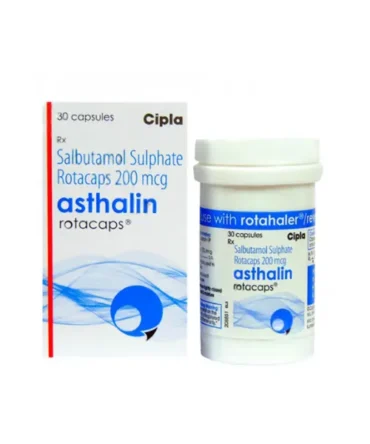
Having these alternatives on hand makes it easier for your healthcare team to adjust therapy without waiting for a new prescription to be filled.
Frequently Asked Questions (FAQ)
Q: How quickly will I feel relief after the first dose?
A: Some people notice a reduction in pain or swelling within a few hours, but the full anti‑inflammatory effect often takes 24‑48 hours, especially for chronic conditions.
Q: Can I drink alcohol while on Omnacortil?
A: A small amount is usually fine, but heavy drinking can irritate the stomach and increase liver workload. If you have liver disease or a history of ulcers, keep alcohol to a minimum.
Q: Do I need to take calcium or vitamin D supplements?
A: If you’re on steroids for more than a few weeks, many doctors recommend calcium + vitamin D to protect bone density. Ask your prescriber whether you should start them now.
Q: What should I do if I miss a dose?
A: Take the missed tablet as soon as you remember, unless it’s almost time for the next scheduled dose. In that case, skip the missed one—don’t double up.
Q: Is it safe to use Omnacortil during a cold or flu?
A: Steroids can suppress the immune response, so they may make infections linger longer. Your doctor will weigh the benefits (e.g., reducing airway inflammation) against the risk of a prolonged infection.
Q: Will this medication raise my blood pressure?
A: It can, especially at higher doses or with prolonged use. If you already have hypertension, your doctor may monitor your BP more closely or add a diuretic.
Q: How long can I stay on a 30 mg dose?
A: It varies. Some patients need a short burst of a few days (e.g., asthma exacerbation), while others may stay on a lower maintenance dose for months. Regular follow‑up appointments help determine the safest duration.
Q: Is there any risk of dependence or addiction?
A: Prednisolone isn’t addictive like opioids, but the body can become dependent on the steroid’s effect on cortisol production. That’s why tapering is essential after longer courses.
Q: Can I take this with my inhaler for asthma?
A: Absolutely. Many asthma patients use oral steroids like Omnacortil during severe attacks while continuing their regular inhaled bronchodilators and corticosteroids.
Q: What are the signs of a severe allergic reaction?
A: Hives, swelling of the face or throat, difficulty breathing, or a sudden drop in blood pressure. If any of these appear, seek emergency medical help right away.
Q: How should I store the tablets when traveling?
A: Keep them in the original blister pack, in a cool, dry place. If you’re flying internationally, carry a copy of the prescription and the pharmacy label to avoid customs issues.
Q: Will Omnacortil affect my blood sugar even if I’m not diabetic?
A: Yes, steroids can raise glucose levels in anyone. If you notice increased thirst, frequent urination, or unexplained fatigue, let your doctor know—they may check your blood sugar.
Q: Is it okay to take other over‑the‑counter pain relievers with Omnacortil?
A: Acetaminophen (paracetamol) is generally safe. NSAIDs (ibuprofen, naproxen) can increase stomach‑related side‑effects, so use them only if your doctor approves.
Q: What should I do if I experience severe stomach pain?
A: Stop the medication and contact your healthcare provider immediately. You may need a stomach‑protective drug or a different treatment plan.
Q: Can I use Omnacortil for weight loss?
A: No. In fact, steroids often cause weight gain due to fluid retention and increased appetite. They are not a weight‑loss medication.
Q: How does Omnacortil differ from prednisone?
A: Prednisone is a pro‑drug that the liver converts into prednisolone. Omnacortil already contains prednisolone, so it works a bit faster and is often preferred for patients with liver issues.
Q: Will I need regular blood tests while on this medication?
A: For short courses, usually not. For longer therapy, doctors often check blood glucose, electrolytes, liver function, and sometimes bone density.





Reviews
There are no reviews yet.