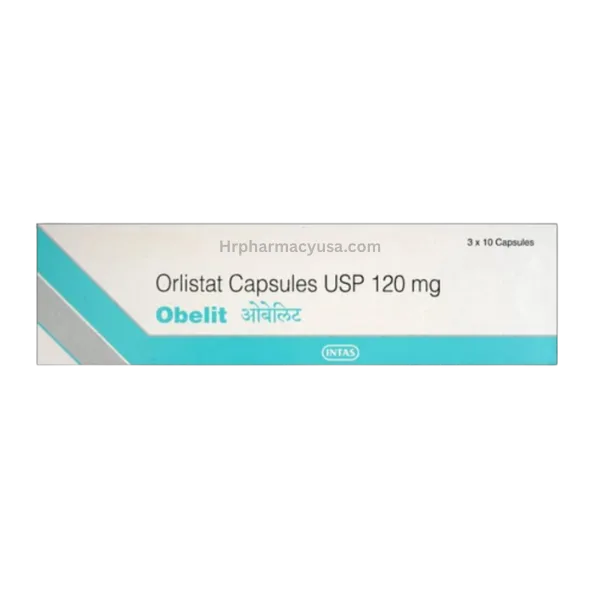
Obelit 120 mg Capsule (Orlistat): Product Description
Let's get serious for a minute. Trying to lose weight is hard. Like, really hard. You count calories, you try the new diets, you hit the gym, and sometimes the scale just laughs at you. It's exhausting. You know what you
should be eating, but actually doing it? That’s the tricky part.
If you’re stuck and your doctor suggested Obelit 120 mg, you’re probably wondering what it’s all about. Is it another one of those speedy pills that makes your heart race? Nope. Does it suppress your appetite so you feel weird and spacey? Definitely not.
Obelit, which is the brand name for a drug called
Orlistat, works in a totally different way. It’s not magic, but it is powerful. It’s designed for people who need a serious tool to help them get over the hump when diet and exercise alone aren't cutting it.
Here’s the deal with Obelit 120 mg: It doesn't change your brain. It changes what happens in your stomach.
How Obelit (Orlistat) Actually Works (The Simple Version)
Eat a meal. Maybe it's chicken, or maybe it's something a little greasy, like fries. That meal has fat in it. Normally, your body sends out these little enzymes—think of them as tiny scissors—to chop up that fat so your intestines can absorb it. Once absorbed, it either gets used for energy or, more often, stored as body fat.
The capsule works directly in your digestive system. It blocks those enzymes (they're called lipases, but don't worry about the name) from breaking down about 30% of the fat you just ate.
So what happens to that fat? It doesn't just disappear. It can't be absorbed, so it just keeps moving through your system and leaves your body when you go to the bathroom.
In plain words: If you can't digest the fat, you can't store the fat.
It’s a physical block. The pill never even gets into your bloodstream or messes with your head. It does its job in your gut and then leaves.
Why the 120 mg "Boost" Matters
You might have seen Orlistat sold over the counter in lower doses (like 60 mg). Obelit 120 mg is the prescription-strength version.
Why the difference? The 120 mg dose is significantly more powerful at blocking that fat absorption. If you're carrying enough extra weight that your doctor is concerned about your health (usually a BMI of 30 or higher, or 27+ with other issues like high blood pressure), you need the stronger tool.
The 60 mg version is more of a gentle nudge. Obelit 120 mg is a firm push. It's for when you're serious about making a change and need the maximum help possible.
The Real Talk: Accountability and the "Side Effects"
Alright, we have to talk about the catch. Because there is one. Obelit is famous for its... feedback.
If you take Obelit 120 mg and then eat a super fatty meal—like a large pizza or a bucket of fried chicken—you are going to have a bad time. Remember all that fat the pill blocked? It has to go somewhere. This can lead to what doctors call "treatment effects," but what everyone else calls "oily spotting," gas with oily discharge, or sudden urges to go to the bathroom.
It sounds awful, and yeah, it can be embarrassing if you're not careful.
But here is the crucial flip side: This is exactly why Obelit works so well for long-term weight loss.
The pill is your accountability partner. It forces you to respect the diet. You learn very quickly that cheating with high-fat foods has immediate, unpleasant consequences. You stop reaching for the donut not just because you're "being good," but because you genuinely don't want the aftermath.
Over time, this actually retrains your brain and your cravings. You start naturally preferring lower-fat options because they feel better.
You Have to Do Your Part: The Low-Fat Rule
Obelit is not a free pass to eat whatever you want. If you take the pill and continue eating junk, you will just be uncomfortable, and you won't lose much weight.
The medicine is designed to be used with a reduced-calorie, low-fat diet.
Here’s a simple rule of thumb: Try to keep the fat content of each meal to about 15 grams or less.
- A grilled chicken breast? Fine.
- A burger with cheese and mayo? You're risking it.
- A salad with light vinaigrette? Good.
- A salad drowned in ranch dressing? Prepare for trouble.
When you stick to the low-fat plan, the side effects usually disappear completely. The pill works quietly in the background, blocking the small amounts of unavoidable fat in your healthy meals.
The Journey: What It Feels Like
Starting Obelit 120 mg is a commitment. It’s not a quick fix.
The First Few Weeks: This is the adjustment period. You're learning what foods have hidden fats. You might have a few "incidents." This is normal. It’s your body and the pill figuring things out.
The Months After: As your diet improves, the side effects fade. You start noticing your clothes fitting better. The scale starts moving. Because the weight loss is gradual (you're not starving yourself or losing water weight), it's more likely to stay off.
The Mental Shift: The biggest change is often psychological. You realize you have control over food. The fear of the "oily consequences" fades and is replaced by the habit of making healthier choices.
A Quick Note on Vitamins
Here’s one small thing that’s important. Because Obelit blocks fat absorption, it can also affect your absorption of "fat-soluble" vitamins—mainly A, D, E, and K.
Your body needs these. So, it’s usually recommended that you take a daily multivitamin. But here's the trick:
Take the multivitamin at bedtime, at least 2 hours after your last dose of Obelit. That way, the pill is done working, and your body can absorb the vitamins properly.
When and How to Take It
It's simple, but you have to be consistent.
You take one 120 mg capsule three times a day. The key is timing: Take it with your meal, or up to one hour after you finish eating.
If you skip a meal, skip the pill. No food, no fat to block, no reason to take Obelit.
This rhythm becomes part of your life. Breakfast? Pill. Lunch? Pill. Dinner? Pill.
Is Obelit Right for You?
Obelit isn't for someone looking to drop five pounds before a wedding. It's a serious medical tool for people dealing with obesity who are ready to make a lifestyle change. It gives you the physical backup to support your willpower.
It helps you break the cycle. You eat better, you lose weight, you feel better, which makes it easier to keep eating better.
If you are tired of the rollercoaster of dieting and want a straightforward, non-stimulant way to cut down the fat your body holds onto, Obelit 120 mg could be the kickstart you've been looking for.
Frequently Asked Questions (FAQ)
We get a lot of questions about Obelit 120 mg. Here are the most common ones, explained straight up.
Q: Will Obelit make me feel jittery or anxious?A: No. Obelit (Orlistat) does not affect your brain or your central nervous system. It works only in your digestive tract, so you won't get the "speedy" feeling that some other weight loss pills cause.
Q: How bad are the "oily spotting" side effects really?A: It depends entirely on what you eat. If you stick to a low-fat diet (less than 15g of fat per meal), the side effects are usually mild or nonexistent. If you eat a high-fat meal, they can be significant and unpleasant. The pill is training you.
Q: What happens if I miss a dose?A: Don't sweat it. If you forget to take it with your meal, just take it up to an hour later. If it’s been longer than an hour, just skip that dose and take your next one at the next meal. Never take two pills at once.
Q: Do I have to take it forever?A: Usually not. It’s often used for 6 months to a year to help you lose the weight and establish new eating habits. Your doctor will decide what's best for you. Many people find that after a while, they don't need the pill anymore because their new diet is second nature.
Q: Can I drink alcohol while taking Obelit?A: Alcohol itself doesn't interact badly with the pill, but many alcoholic drinks (like creamy cocktails or beer snacks) are high in fat or calories, which defeats the purpose. Check with your doctor, but moderation is key.
Q: Why do I need to take a multivitamin?A: Because the pill blocks fat, it can also block vitamins that need fat to be absorbed (A, D, E, K). Taking a multivitamin at bedtime ensures your body still gets what it needs.
Q: Does it work if I don't change my diet?A: Not really. You might see a tiny bit of loss, but you will mostly just experience the uncomfortable side effects. The magic happens when the pill and the diet work together.





Reviews
There are no reviews yet.