Lonopin (Enoxaparin): Your Guide to the Blood Clot Protector
If you’re looking up Lonopin, chances are you or someone you care about is dealing with something serious. Maybe you just had hip or knee surgery, or perhaps you've been told you have to stay in bed for a while. Or, more frighteningly, maybe the doctor found a blood clot.
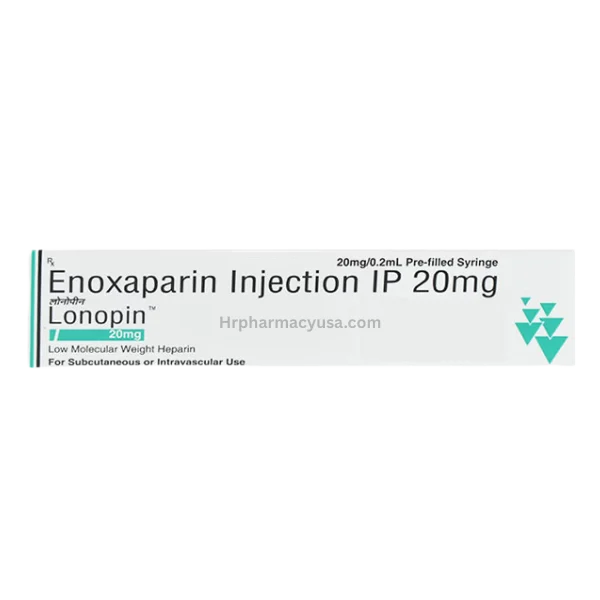
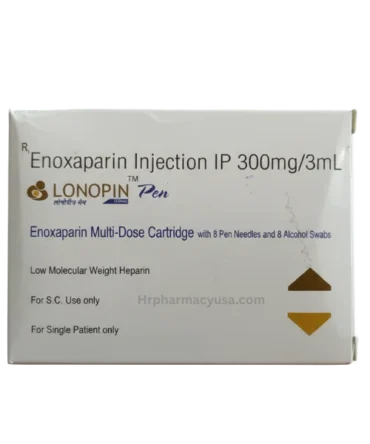
Whatever the reason, you've been prescribed Lonopin, which is the brand name for a drug called
Enoxaparin. And let's be honest, the idea of giving yourself shots or relying on a powerful medication can be stressful.
Lonopin is often called a "blood thinner," but that’s not exactly right. It doesn’t actually make your blood watery. What it does is much smarter: it stops your blood from forming harmful clots when it shouldn't. In the medical world, these clots are the bad guys, and Lonopin is the security guard keeping them in check.
This medicine is a lifesaver, literally. Let’s break down what it does, why your doctor prescribed it, and what you need to know about using it. We'll keep it simple.
The Hidden Danger of Blood Clots
To understand why Lonopin is so important, we have to talk about why blood clots happen. Normally, clotting is good. If you cut your finger, clots stop the bleeding. It's your body's repair system.
But sometimes, your body tries to repair things that aren't broken, or blood just stops moving like it should.
Imagine a slow-moving river. If the water stops flowing, leaves and debris pile up. Your bloodstream is similar. If you can't move—like after surgery or during a long flight—the blood in your legs can pool. When blood pools, it likes to stick together and form a clot.
This is called
Deep Vein Thrombosis (DVT), usually in the calf or thigh.
DVT itself is painful and causes swelling, but the real danger is if that clot breaks free. It travels through your veins, back to your heart, and gets pumped straight into your lungs. That's called a
Pulmonary Embolism (PE), and it can be deadly. It's like a traffic jam in the one place you need open roads.
This is the nightmare scenario Lonopin is designed to prevent.
What is Lonopin (Enoxaparin) and How Does It Work?
Lonopin belongs to a class of drugs called Low Molecular Weight Heparins (LMWH). You might have heard of plain old Heparin. Lonopin is like Heparin's newer, more predictable cousin.
Here’s the simple version of the science:
Clotting is a complex chain reaction in your blood. It’s like a row of dominoes. For a clot to form, one domino has to hit the next, which hits the next, and so on.
Lonopin (Enoxaparin) jumps into the middle of that chain and pulls out a few key dominoes. It mainly blocks a clotting factor called "Factor Xa." By blocking Factor Xa, the whole clotting process is interrupted. The clot simply cannot form, or if one already exists, it stops it from getting bigger.
Because it’s "Low Molecular Weight," it’s more consistent than the old heparin. Doctors don't have to check your blood as often to make sure you're getting the right amount. It’s reliable.
Why You Might Need Lonopin
Doctors prescribe Lonopin (Enoxaparin) in a few common situations:
1. After Surgery (The Big One)
Knee replacements, hip replacements, and major abdominal surgeries are high-risk times. You’re not moving much, and the surgery itself irritates the veins. Your body is in overdrive trying to heal, which can accidentally trigger clotting. Lonopin is standard practice after these procedures to get you safely through recovery.
2. Stuck in Bed (Immobility)
If you have a severe illness, a bad fracture, or any reason you can't get up and walk around, you are at risk. The longer you're down, the higher the risk. Lonopin keeps the blood moving chemically when you can't move physically.
3. Treating an Existing Clot
If you already have DVT or a PE, Lonopin is used to stop it from growing while your body slowly breaks it down. It’s crisis management.
4. Heart Issues
During a heart attack or unstable angina, clots can form in the arteries of the heart. Lonopin is often used short-term in the hospital to stabilize things.
The Injection: Getting Past the Fear
Okay, let's talk about the elephant in the room: the shot. Lonopin almost always comes in a pre-filled syringe. The thought of injecting yourself is scary for almost everyone. But once you get the hang of it, it’s usually fine.
It’s called a subcutaneous injection, which means it goes into the fatty layer just under the skin, not into the muscle.
The Best Spot: Your "Love Handles"
The recommended area is your abdomen, at least two inches away from your belly button. You have more fatty tissue there, and it hurts less. Rotate sides each day—left one day, right the next—to give the spots time to heal.
The Crucial Air Bubble Rule
If you look at the pre-filled syringe, you’ll see a small air bubble.
DO NOT get rid of it.
This is the most common mistake people make. That bubble is there on purpose. When you inject, the bubble follows the medicine and pushes every last drop into your body. If you clear the bubble, you might leave some medication behind.
The Technique: Pinch an Inch
The trick is to pinch a good fold of skin and fat. You want to inject into the fold. Insert the needle straight in (at a 90-degree angle), push the plunger slowly until it stops, and then pull the needle straight out.
Then let go of the pinch.
And the "No Rub" Rule
After you take the needle out, do not rub the spot. I know the instinct is to rub it, but rubbing causes the medicine to spread into the tissue too fast, which leads to massive bruising. Just apply gentle pressure if there’s a speck of blood.
Side Effects: Bruising and Bleeding
When you take a powerful anti-clotting agent, you have to expect some side effects.
Bruising (Ecchymosis)
You are going to bruise. It’s almost unavoidable. Your stomach might look like a purple-and-yellow abstract painting by the end of your treatment. As long as the bruises aren't getting progressively larger or harder, it's normal. Following the "no rub" rule helps a lot.
The Real Concern: Bleeding
This is what you need to watch out for. Lonopin makes it harder for your body to stop bleeding.
- Minor Stuff: Gums bleeding when you brush, or a longer-than-usual nosebleed, are common. Switch to a soft toothbrush. Use an electric razor instead of a blade.
- Serious Stuff: This is when you call the doctor. Pink or brown urine, red or black (tarry) stools, coughing up blood, or any injury that won't stop bleeding after 10 minutes of pressure.
Injection Site Pain
The injection can sting. Some people find that letting the syringe warm up to room temperature for 30 minutes before injecting helps.
Living Your Life on Lonopin
Being on Lonopin means being aware. You have to be more careful.
- Avoid Contact Sports: Anything where you might get hit or fall hard is risky. An internal bleed is serious.
- Tell Everyone: Dentists, other doctors, even your pharmacist need to know you are on Enoxaparin.
- Be Careful with Other Meds: Aspirin, Ibuprofen (like Advil or Motrin), and Naproxen (Aleve) also thin the blood. Taking them with Lonopin can be dangerous. Always ask your doctor before taking any over-the-counter pain relievers. Tylenol (Acetaminophen) is usually okay, but check first.
How Long Do I Take It?
It varies widely. After hip surgery, it might be 30 days. For a serious clot, it could be bridging therapy (using Lonopin until a pill like Warfarin or Xarelto starts working) or longer. Your doctor has a specific plan for you.
Lonopin (Enoxaparin) is a powerful drug that serves a critical purpose. It takes the worry out of recovery and immobility by managing the risk you can't see. While the injections aren't fun, they are a small price to pay for preventing something much worse.
Frequently Asked Questions (FAQ)
We get a lot of questions about using Lonopin (Enoxaparin). Here are the most common ones answered.
Q: What happens if I accidentally push the air bubble out of the syringe?A: You may not get the full dose of the medication. The bubble is designed to push all the liquid out. If this happens once, don't panic, but try not to do it again. If you're unsure, call your clinic.
Q: I missed a dose! What should I do?A: If you remember on the same day, take it as soon as you remember. If you don't remember until the next day, skip the missed dose and go back to your regular schedule.
Do not take a double dose.If you miss more than one dose, call your doctor.
Q: Why does the injection site hurt or burn so much?A: The medicine itself can sometimes sting as it goes in. Injecting slowly can help. Also, letting the cold syringe warm up to room temperature for about 30 minutes before the shot makes a big difference for some people.
Q: Is it okay to drink alcohol while taking Lonopin?A: It’s best to avoid or severely limit alcohol. Alcohol can also increase your risk of bleeding and stomach irritation, compounding the effects of Lonopin. Always ask your doctor what is safe for you.
Q: My stomach is covered in bruises. Am I doing it wrong?A: Bruising is very common and doesn't necessarily mean you did it wrong. However, the most common cause of severe bruising is rubbing the site after the injection. Remember: pinch, inject, release pinch, and do not rub.




Reviews
There are no reviews yet.