


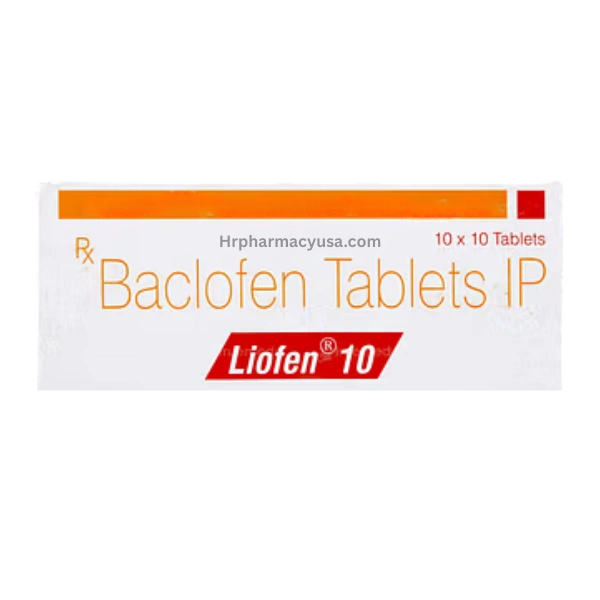
Liofen 10 Mg (Baclofen)
Price range: $19.00 through $38.00
Liofen 10 mg is a baclofen tablet used to help reduce muscle spasticity in conditions like multiple sclerosis and spinal cord injury. It works on the central nervous system to ease tight, stiff muscles, making everyday movement feel more manageable. People often notice that it helps with muscle spasms, cramping, and pain associated with spasticity. This prescription medicine is for use under a licensed healthcare provider in the United States. Always follow your prescriber's directions and ask a pharmacist if you have questions.
| Active Ingredient: | Baclofen |
|---|---|
| Indication: | Muscle relaxation |
| Manufacturer: | Sun Pharmaceutical Industries Ltd |
| Packaging: | 10 tablets in 1 strip |
| Strength: | 10mg |
| Delivery Time: | 6 To 15 days |
In Stock
What is Liofen 10 mg (baclofen)
Liofen 10 mg is a baclofen tablet designed to help relieve muscle spasticity, which is the tightness and stiffness that can come with neurological conditions. If your muscles feel locked up or you are dealing with sudden spasms that make walking, dressing, or sleeping hard, baclofen is one of the long-established options doctors use to manage those symptoms. This page gives you a clear, plain‑English overview so you can understand what Liofen 10 mg is, what it might help with, and what to consider before using it in the United States.What Liofen 10 mg is
- Active ingredient: baclofen 10 mg per tablet.
- Medication class: antispasmodic and skeletal muscle relaxant.
- How it works in simple terms: baclofen acts on GABA-B receptors in the spinal cord. That action helps calm overactive nerve signals that drive muscle spasticity. With fewer abnormal signals, muscles can relax and spasms can lessen.
What it is used for
Baclofen is commonly prescribed to manage spasticity that happens with conditions such as:- Multiple sclerosis
- Spinal cord injury or disease
- Some other neurological disorders where muscle tone is increased
Who might benefit
- Adults with persistent muscle stiffness or spasms that limit day-to-day activities
- People whose spasticity makes physical therapy or rehabilitation tougher than it needs to be
- Patients who need a medication that can be taken by mouth and adjusted by a prescriber over time
What to expect
- Relief timeline: Some people begin to feel a difference within a few days of starting therapy, once the dose is established. For others, it may take longer as the prescriber adjusts the regimen. The exact timing varies by person.
- How it feels: many describe fewer sudden spasms, less cramping, and more effortless movement. Tiredness or dizziness can show up at first. If you feel drowsy, take extra care when driving or doing anything that requires quick reactions.
- Day and night: some notice daytime function improves, and sleep is less interrupted by spasms at night. If sleepiness is a problem during the day, tell your prescriber.
Safety Tips
Baclofen affects the central nervous system, so there are a few essential safety points to keep in mind:- Do not stop suddenly. Stopping abruptly can cause withdrawal symptoms like fever, confusion, rebound spasticity, fast heart rate, hallucinations, and, in rare cases, seizures. If your prescriber decides to stop therapy, they will usually taper the dose.
- Alcohol and sedatives. Alcohol, opioids, benzodiazepines, sleep medications, some antihistamines, and other sedatives can add to the drowsy, slow breathing effects of baclofen. Combining them can be risky. Ask your prescriber or pharmacist about your specific medication list.
- Driving and machinery. Until you know how you react, go slow with driving or operating equipment. Dizziness and sleepiness are common when first starting or after a dose change.
- Medical conditions. Tell your prescriber if you have kidney disease, epilepsy or a seizure history, a history of stroke, mood or mental health conditions, or if you are older and at higher risk for falls. The kidneys mainly clear Baclofen, so dosing may need adjustment in kidney impairment.
- Pregnancy and breastfeeding. There is limited human data. If you are pregnant, planning to become pregnant, or breastfeeding, talk with your clinician about risks and benefits. Do not start or stop on your own.
Liofen 10 Mg Side Effects
Not everyone gets side effects, but the ones people report most often include:- Drowsiness, fatigue, or feeling lightheaded
- Dizziness or headache
- Weakness or reduced muscle tone
- Nausea, constipation, or upset stomach
- Insomnia or vivid dreams
- Dry mouth
Serious Side Effects
- Severe confusion, hallucinations, or agitation
- Shortness of breath, very slow or shallow breathing
- Seizure
- Fainting, a very slow heartbeat, or chest pain
- Signs of an allergic reaction, such as rash, swelling of the face or throat, or trouble breathing
Available Strengths
- Liofen 5 mg tablets
- Liofen 10 mg tablets
- Liofen 25 mg tablets
- Liofen XL 10 Mg (Baclofen)
- Liofen XL 20 Mg (Baclofen)
- Liofen XL 30 Mg (Baclofen)
Interactions to know about
Baclofen can interact with many medicines that affect the brain or blood pressure. This list is not complete, but it gives you an idea of what to flag for your prescriber:- Alcohol, opioids, benzodiazepines, sleep aids, barbiturates
- Some antidepressants and antipsychotics cause sedation
- Antihistamines that make you drowsy
- Blood pressure medicines. Baclofen can sometimes lower blood pressure, so using it with antihypertensives can add up
- Other muscle relaxers or anti-spasticity medicines
Tips for Everyday Use
- Follow your prescription label. Baclofen regimens are individualized. Only your clinician can tell you how and when to take it, and whether to adjust your dose.
- Take with food if your stomach feels upset. Some people find that food or a snack helps.
- Consistency helps. Try to take doses at the exact times each day if that is how your prescriber wrote it.
- Missed dose questions. The safest answer is to follow the directions on your label or ask a pharmacist. As a general rule, do not double up to make up for a missed dose unless your prescriber tells you to.
- Avoid abrupt changes. If you feel over-sedated or under-treated, contact your prescriber before making any changes on your own.
- Keep a simple journal. Jot down when spasms happen, how severe they are, and any side effects. Bring this to appointments so adjustments are easier.
Storage and handling
- Store at room temperature, ideally 68 to 77°F, away from moisture and heat
- Keep the bottle tightly closed and out of reach of children and pets
- Do not share prescription medicine with anyone
- For safe disposal of unused tablets, ask your local pharmacy about take-back options
Who should avoid or use extra caution
- Allergy to baclofen or any tablet ingredient
- Severe kidney impairment, unless your prescriber has created a specific plan
- History of seizures, severe psychiatric conditions, or a recent stroke. Extra monitoring may be needed.
- People at high risk of falls. The combination of weak muscles and possible dizziness can increase fall risk, especially in older adults.
What baclofen does not do
- It is not a cure for the underlying neurological condition
- It is not usually helpful for simple muscle strain or tension headaches
- It is not meant for quick, as-needed relief of occasional cramps, the way some over-the-counter options are used
Set goals for best result
A lot of people find baclofen most helpful when it is part of a bigger plan that can include physical therapy, stretching, assistive devices, or other treatments your specialist recommends. The goal is not to make you feel floppy or overly sedated. The sweet spot is less stiffness and fewer spasms, so you can move, sleep, and do daily tasks more comfortably.FAQs About Liofen 10 mg
What is Liofen 10 mg used for? Liofen 10 mg contains baclofen, which is prescribed to help manage muscle spasticity. That includes stiffness and spasms linked to conditions like multiple sclerosis and spinal cord injury. It can make movement, sleep, and daily activities feel more manageable when spasticity gets in the way. Is Liofen 10 mg the same as baclofen? Yes. Liofen is a brand name for baclofen tablets. The active ingredient is baclofen 10 mg. In the United States, baclofen is widely available as a generic prescription medicine. Pharmacies may dispense a different brand or a generic equivalent depending on stock and your prescriber's instructions. How long does it take for baclofen to work? Some people notice fewer spasms within a few days after starting and finding a suitable regimen. For others, relief is gradual as the prescriber adjusts the dose. If you feel no change after a reasonable trial, or if side effects are bothersome, check in with your clinician to talk about next steps. Can I drink alcohol while taking Liofen 10 mg? It is best to avoid alcohol. Both alcohol and baclofen can cause drowsiness and slow reaction time. Together, those effects can add up in an unsafe way, especially if you drive or need to be alert. If you have questions about occasional drinking, ask your prescriber so you can make a safe plan. Do I need a prescription to buy Liofen 10 mg in the USA? Yes. Baclofen is a prescription-only medicine in the United States. A licensed healthcare provider must review your health history to decide if it is appropriate for you. Use only as directed, and do not start or stop without medical guidance.| size | 30 Capsule/s, 60 Capsule/s, 90 Capsule/s |
|---|


Reviews
There are no reviews yet.