


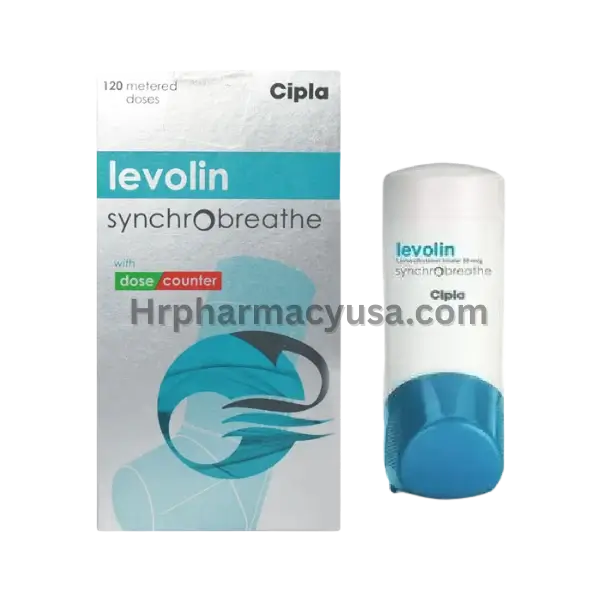
Levolin Synchro Breathe Inhaler (Levosalbutamol)
Price range: $40.00 through $130.00
Levolin Synchro Breathe Inhaler (Levosalbutamol) is a quick-acting rescue inhaler used to open tight airways during asthma or COPD flare-ups. It relaxes bronchial muscles, easing wheezing, coughing, and shortness of breath within minutes for many people. Use only as prescribed, and keep track of how often you need it. If symptoms are severe or you need it more than usual, get help.
| Active Ingredient: | Levosalbutamol |
|---|---|
| Indication: | Chronic obstructive pulmonary disorder (COPD), Asthma |
| Manufacturer: | Cipla Limited |
| Packaging: | 200 MDI in 1 Inhaler |
| Strength: | 50mcg |
| Delivery Time: | 6 To 15 days |
In Stock
What is Levolin Synchro Breathe Inhaler (Levosalbutamol)?
Levolin Synchro Breathe Inhaler (Levosalbutamol) is typically used as a “rescue inhaler,” meaning it is meant for quick relief when you feel wheezing, chest tightness, or sudden shortness of breath. People often look for this type of bronchodilator inhaler when they want something that works fast during an asthma flare or COPD-related bronchospasm. It is not the same as a daily controller inhaler (like many steroid inhalers). It is designed for symptom relief, not long-term prevention on its own.What Levosalbutamol does in the lungs
Levosalbutamol is a short-acting beta-2 agonist (often shortened to SABA). In plain terms, it helps relax the muscles around the airways. When those airway muscles tighten, breathing can feel like trying to inhale through a narrow straw. A rescue inhaler helps open things up, so air can move more freely. Many people notice reduced wheezing and easier breathing soon after using it, although response time and the degree of relief can vary by person and the severity of the flare.When this inhaler is commonly prescribed
This medication is commonly prescribed for:
- Asthma symptoms that come on quickly (wheezing, cough, chest tightness)
- COPD with reversible bronchospasm (your clinician may still use other maintenance meds alongside it)
- Situations where you need fast, as-needed relief, and your provider has advised a rescue inhaler.
If you find yourself reaching for a rescue inhaler more often than expected, it may be a sign that your condition is not well-controlled, and your treatment plan may need adjustment.
How to use it
Different inhaler devices work a little differently. “Synchro Breathe” products are often designed to coordinate medicine release with your breath, but device designs can vary by market and manufacturer packaging. The safest approach is to follow the leaflet that comes with your inhaler and your prescriber’s directions. In general, with many inhalers, the steps look like this:- Breathe out fully (away from the mouthpiece).
- Seal your lips around the mouthpiece.
- Inhale as directed (some devices need a slow, deep breath, others trigger with a steady inhale).
- Hold your breath briefly if you can, then breathe out gently.
- If more than one puff is prescribed, you may be told to wait a short time between puffs.
Many prescriptions for rescue inhalers are written as 1 to 2 puffs as needed, often every 4 to 6 hours if required, but your exact directions matter more than any general rule.
What you might feel after a dose
Because this medicine stimulates beta receptors, some people notice side effects that feel “stimulant-like,” especially if they take multiple puffs close together. Commonly reported effects include:- Shaky hands or mild tremor
- Feeling nervous or jittery
- Headache
- Throat irritation or cough after inhalation
- Fast heartbeat or palpitations
Serious reactions are less common, but any chest pain, severe dizziness, fainting, or worsening breathing after use should be treated as urgent.
Precautions and interactions to know about
Tell your prescriber about heart rhythm problems, significant heart disease, uncontrolled high blood pressure, thyroid disease, diabetes, or a low potassium history. Also, ask about interactions if you take:- Other bronchodilators (to avoid doubling up)
- Stimulant medications
- Certain antidepressants (including MAO inhibitors and some others)
- Beta-blockers (they can reduce the bronchodilator effect in some cases)
- Diuretics (can contribute to low potassium in some situations)
Available strengths and other dosage forms
Levolin Synchro Breathe Inhaler (Levosalbutamol) strengths may vary by product version. Commonly seen inhaler strengths in this medication family include 50 mcg per puff or 100 mcg per puff, but you should confirm the exact strength printed on the box or canister label. Levosalbutamol is also found in other dosage forms in some markets, for example:- Nebulizer solution/respules (often measured in mg per 3 mL, such as 0.31 mg/3 mL, 0.63 mg/3 mL, or 1.25 mg/3 mL for related levalbuterol products)
- Green Inhaler (Levosalbutamol/Ipratropium)
- Duolin Inhaler (Levosalbutamol/Ipratropium)
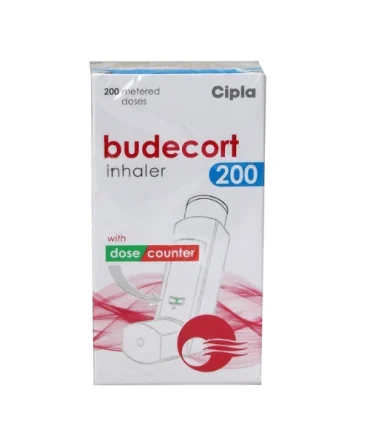
- Aerocort Inhaler (Beclometasone/Levosalbutamol)
- Levolin Respules 1.25mg (Levosalbutamol)
- Levolin Respules (Levosalbutamol)
- Syrup or tablets in certain regions (less common for routine use compared with inhaled forms)
Alternatives already available in the market
If your prescriber is considering options, these are common alternatives in the same general “quick-relief” category:
- Levalbuterol inhalers (example: Xopenex HFA, and its generics)
- Albuterol (salbutamol) inhalers (examples: Ventolin HFA, ProAir HFA, Proventil HFA, and generics)
- Albuterol nebulizer solution (generic, commonly used)
- Ipratropium inhalers or nebulizer solution (often used more in COPD, not the same mechanism)
- Albuterol + ipratropium combination products (example: Combivent Respimat, mainly COPD-focused)
Your clinician chooses between these based on symptom pattern, side effect tolerance, cost/coverage, and your diagnosis.
FAQs About Levolin Synchro Breathe Inhaler
Can I use Levolin Synchro Breathe Inhaler (Levosalbutamol) with a spacer?
It depends on the exact device type. Some inhalers work well with spacers, while others do not. Check the device instructions or ask a pharmacist.
How do I know when the inhaler is empty?
Some inhalers have dose counters. If yours does not, you may need to track doses manually based on labeled actuations. Do not rely on “spraying” to test it.
Is this inhaler appropriate for children?
Age limits vary by product and strength. A pediatric prescriber should decide the right device and dose.
Can I use it before exercise to prevent symptoms?
Some people are prescribed a rescue inhaler before exercise for exercise-induced bronchospasm, but you should only do this if your prescriber has specifically recommended it.
What should I do if I accidentally take too many puffs?
If you feel severe shaking, chest pain, a very fast heartbeat, or feel faint, seek urgent care. For non-severe concerns, contact a poison control center or your prescriber for advice.
| size | 12 Inhaler/s, 3 Inhaler/s, 6 Inhaler/s |
|---|



Reviews
There are no reviews yet.