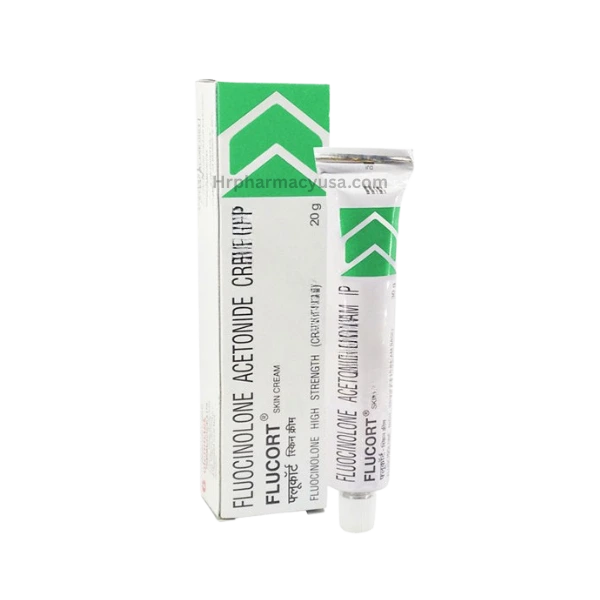
What is Flucort Cream (Fluocinolone)
Flucort Cream (Fluocinolone) is a topical corticosteroid used for short-term relief of itchy, red, inflamed skin. It is commonly prescribed for
eczema, contact dermatitis, allergic rashes, and select
psoriasis patches that are not on the face or skin folds.
By dialing down inflammatory signals in the skin, it helps reduce swelling, heat, and irritation so the area can settle and you can get back to normal routines.
What it helps with
- Eczema and atopic dermatitis flares
- Contact dermatitis from irritants or allergens, like certain metals or plants
- Insect bite reactions that are very itchy or swollen
- Certain localized psoriasis plaques, if your prescriber recommends it
How it works
Fluocinolone is a medium to low potency steroid, depending on the strength and formulation. It calms overactive immune activity in the skin and narrows widened blood vessels, which eases redness and itch. Many people notice improvement within a few days when used correctly.
How to use it
- Wash and dry your hands and the affected skin.
- Apply a thin, even layer to the area. A pea-sized amount often covers a hand-sized patch of skin.
- Use as directed by your prescriber, often 1 to 2 times daily for a short course.
- Do not cover with tight bandages or plastic unless your clinician told you to.
- Avoid eyes, mouth, and inside the nose. Do not use on broken or infected skin unless your clinician is treating that infection.
- Do not use on the face, groin, or underarms unless your prescriber said it is ok.
- Stop when the flare settles, or as instructed. If no improvement after 1 to 2 weeks, check in with your provider.
Good to know Flucort Cream
- Moisturize: Pair with a gentle, fragrance-free moisturizer to help repair the skin barrier. Apply moisturizer first, let it soak in, then apply Flucort Cream.
- Patch size matters: Using large amounts on large areas or for weeks at a time raises the risk of side effects.
- Children: Use the smallest amount for the shortest time under medical guidance.
Who should talk to a clinician before use
- People with skin infections, sores, or open wounds in the area
- Those with rosacea or perioral dermatitis
- Anyone who needs treatment on the face or skin folds
- People who need long-term daily use
- If you are taking other steroid medicines or have conditions affected by steroids
Flucort Cream Side Effects
- Common: Mild burning, stinging, dryness, or irritation at the application site, usually temporary.
- Less common with prolonged or heavy use: Skin thinning, stretch marks, easy bruising, visible blood vessels, or color changes.
- Rare: Hormone effects from absorption, especially if used on large areas, under occlusion, or in children. Seek medical advice if you notice unusual fatigue, weight changes, or other systemic symptoms.
Drug and product interactions
- Using other strong skin treatments in the same spot, like alpha hydroxy acids, retinoids, or benzoyl peroxide, can increase irritation. If you use them, apply at different times and monitor your skin.
- Tell your clinician about all creams, ointments, and topicals you use regularly.
Available Strengths:
- Sebowash Shampoo (Fluocinolone)
- Fluocinolone Shampoo
- Fluocinolone acetonide cream 0.025%
- Fluocinolone acetonide cream 0.01%
- Fluocinolone acetonide ointment 0.025%
- Fluocinolone acetonide solution 0.01% for skin
- Fluocinolone body/scalp oil 0.01%
- Fluocinolone shampoo 0.01%
Missed dose
- Apply when you remember. If it is almost time for the next application, skip the missed one. Do not double up.
Storage
- Store at room temperature, ideally 68 to 77°F. Keep the cap tight and the tube away from excess heat or freezing. Keep out of reach of children and pets.
FAQs About Flucort Cream
- Can I apply makeup or sunscreen over Flucort Cream?
Yes. Let the cream absorb fully, usually 10 to 15 minutes, then use a gentle moisturizer and broad-spectrum sunscreen. Apply makeup last. If you notice pilling or irritation, space products further apart or simplify your routine.
- Is Flucort Cream safe during pregnancy or while breastfeeding?
Topical steroids are sometimes used in pregnancy and while nursing, but the plan should be personalized. Use the lowest effective strength on the smallest area for the shortest time. Avoid applying on the breast or areas that might contact an infant. Ask your obstetrician or pediatrician first.
- Can I use it on the scalp?
This cream can be hard to work through hair. Scalp-friendly options like fluocinolone solution, oil, or medicated shampoo may be easier. Ask your clinician if a different form is better for dandruff or scalp dermatitis.
- Can I combine it with acne treatments like benzoyl peroxide or tretinoin?
It can be combined, but these products may irritate when layered. If your clinician approves, use them at different times of day and start slowly. Stop and check in if you get increased redness, peeling, or burning.
- Will it affect my blood sugar or hormones?
Systemic effects are unlikely with small amounts and short courses. Risk rises with large areas, occlusive dressings, higher potency steroids, or use in children. People with diabetes should monitor as directed and speak with their prescriber if using more than directed.








Reviews
There are no reviews yet.