


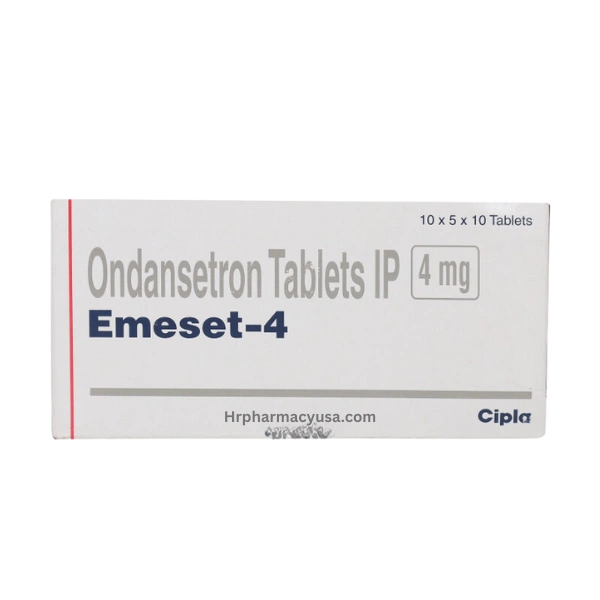
Emeset (Ondansetron)
Price range: $22.20 through $58.80
Emeset (Ondansetron) is a prescription anti-nausea medicine that helps prevent and treat nausea and vomiting after chemotherapy, radiation therapy, or surgery. It works by blocking serotonin 5-HT3 receptors in the gut and brain, which can calm the urge to throw up. Available in easy-to-take tablets and orally disintegrating tablets, it is widely used in the U.S. under healthcare guidance.
| Active Ingredient: | Ondansetron |
|---|---|
| Indication: | Nausea, Vomiting |
| Manufacturer: | Cipla Limited |
| Packaging: | 10 tablets in 1 strip |
| Delivery Time: | 6 To 15 days |
In Stock
About Emeset (Ondansetron)
Emeset (Ondansetron) is a trusted anti-nausea and anti-vomiting medication used by people who are dealing with tough moments like chemotherapy, radiation therapy, or recovery after surgery. If you or someone you care about is struggling with waves of nausea that interrupt eating, sleeping, and daily life, this medicine may help bring some much-needed stability. It is the same active ingredient as the well-known brand Zofran and is commonly prescribed in the United States.What Emeset (Ondansetron) does
- It helps prevent and treat nausea and vomiting triggered by chemotherapy, radiation therapy, and anesthesia after surgery.
- It belongs to a group of medicines called 5-HT3 receptor antagonists. it blocks serotonin signals in the gut and the brain that can trigger vomiting.
- It is not habit-forming and does not usually cause drowsiness, which is one reason many people prefer it over older anti-nausea medicines.
Who might consider Emeset?
- People preparing for chemo or radiation who want to reduce the chance of intense nausea after treatment.
- Patients recovering from surgery who are prone to postoperative nausea and vomiting.
- Individuals whose healthcare provider has recommended ondansetron for severe nausea in other situations. There are off-label uses, but these decisions should be made by your healthcare provider.
How Emeset (Ondansetron) works
When your body detects certain triggers, it releases serotonin, which binds to 5-HT3 receptors in the gut and the brain. That cascade can cause nausea and vomiting. Ondansetron blocks those receptors. By blocking the signal, it can reduce the chance that your stomach will lurch into that uncomfortable spiral.How to take it
- Take it exactly as prescribed by your healthcare provider. Dosing varies for chemotherapy, radiation, and surgery prevention, and it also depends on age and medical history.
- For standard tablets, swallow with water. For ODT, use dry hands. Place the tablet on your tongue, let it dissolve, and then swallow. No water is usually needed.
- If you have the oral solution, measure with a dosing cup or oral syringe, not a kitchen spoon. Your pharmacist can provide a proper measuring device if you need one.
- If you miss a scheduled dose and you still feel nauseated, ask your provider or pharmacist what to do next. Do not double up unless instructed to do so.
Emeset (ondansetron) Side Effects
- Headache
- Constipation
- Dizziness or lightheadedness
- Fatigue
- Dry mouth
- These are the most frequently reported and are usually mild. Staying hydrated, engaging in gentle movement, and consuming fiber can help alleviate constipation; however, consult your clinician for personalized advice.
Serious side effects
Call for medical help right away if you notice:- Fainting, chest pain, or a fast or irregular heartbeat
- Severe dizziness
- Signs of an allergic reaction, like rash, hives, swelling of the face or throat, or trouble breathing
- Severe stomach pain, vision changes, or very little urine
- These are uncommon, but it is important to know the warning signs.
Emeset Alternative Medicine
Important safety notes
- QT prolongation risk: Ondansetron can affect heart rhythm in some people. The risk is higher if you already have long QT syndrome, low potassium or magnesium, or you take other medicines that also prolong the QT interval.
- Liver concerns: If you have significant liver problems, your provider may limit your total daily dose. Do not self-adjust.
- Serotonin syndrome: This is rare, but the risk can be higher if you take ondansetron with other serotonergic drugs, like SSRIs or SNRIs for depression or anxiety, tramadol, or St. John's wort. Seek help immediately if you experience a high fever, agitation, muscle stiffness, or confusion.
Interactions to discuss with your clinician
- Apomorphine: Do not use with ondansetron. This combination can cause dangerous drops in blood pressure.
- Medicines that can prolong the QT interval, like amiodarone, sotalol, methadone, some macrolide or fluoroquinolone antibiotics, and some antipsychotics.
- Strong enzyme inducers, such as carbamazepine, phenytoin, and rifampin, can lower ondansetron levels and reduce its effectiveness.
- Other nausea medications may be combined carefully, but only under the guidance of a medical professional. Always inform your care team about all medications and supplements you are taking.
Who should talk to their provider before using
- Anyone with a history of heart rhythm problems, especially long QT syndrome
- People with severe liver disease
- Those who are pregnant or nursing. Ondansetron is sometimes used during pregnancy, but the decision is personal and should be made with your OB or healthcare team after a careful risk and benefit discussion.
- Children and older adults, since dosing and monitoring can differ
Everyday tips for better results
- Timing matters. For planned triggers like chemo or surgery, taking ondansetron on the schedule your provider sets can make a big difference.
- Hydration helps. Small sips of water or electrolyte drinks can be easier to handle than big gulps.
- Gentle foods. Dry crackers, bananas, rice, or applesauce are generally more gentle on the stomach. Avoid spicy or greasy meals while experiencing nausea.
- Avoid alcohol if you feel woozy or lightheaded, since it can make you feel worse.
Storage and handling
- Store tablets and ODTs at room temperature, approximately 68 to 77°F, in a dry place away from direct sunlight.
- Keep medications out of reach of children and pets.
- Do not use tablets that are chipped, discolored, or past the labeled expiration date.
Emeset (Ondansetron) FAQs
What is Emeset (Ondansetron) used for?
Emeset contains ondansetron, a serotonin 5-HT3 blocker that helps prevent and treat nausea and vomiting. In the U.S., it is commonly prescribed for chemotherapy-induced nausea and vomiting, radiation-induced nausea, and postoperative nausea. Your provider may sometimes use it for other severe nausea, but that is on a case-by-case basis.
How quickly does ondansetron start working and how long does its effect last?
For oral tablets and ODT, many people feel improvement within about 30 to 60 minutes. Relief often lasts several hours. Your care team may schedule additional doses if needed. The exact timing and duration can vary depending on your health, the cause of nausea, and the dose.
Can I take Emeset with other medications for nausea?
Sometimes, yes, but only under medical guidance. For chemotherapy, it is common to combine ondansetron with other anti-nausea medicines that work in different ways. On your own, do not mix ondansetron with apomorphine, and use caution with medicines that can affect heart rhythm or serotonin levels. Always ask your clinician or pharmacist before combining treatments.
Is ondansetron safe during pregnancy or while breastfeeding?
This is a nuanced topic. Some clinicians use ondansetron during pregnancy for severe nausea when the benefits outweigh the risks, but recommendations can vary, and data are mixed. If you are pregnant, trying to conceive, or nursing, consult with your obstetrician or healthcare provider to carefully weigh the options for your specific situation.
Do I need a prescription in the U.S. and can I drive after taking it?
In the United States, ondansetron usually requires a prescription. It typically does not cause drowsiness, allowing many people to drive. If you feel dizzy or lightheaded, skip driving or operating machinery until you feel normal again.
| size | 30 Tablet/s, 60 Tablet/s, 90 Tablet/s |
|---|



Reviews
There are no reviews yet.