What is Betnovate GM Cream
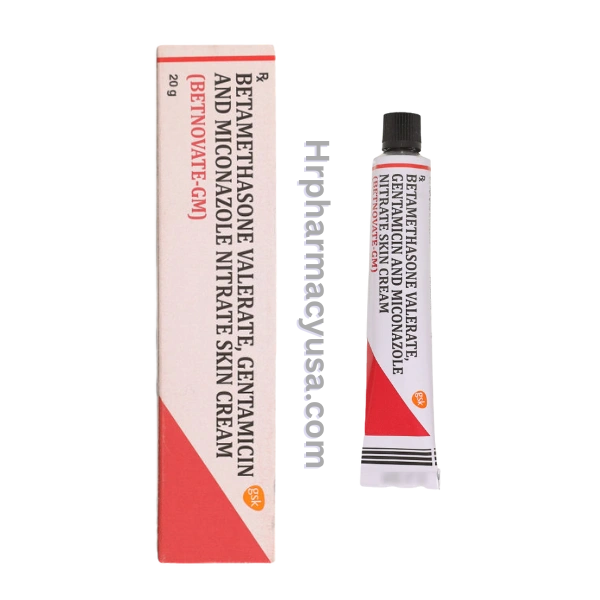
Betnovate GM Cream (Betamethasone/Gentamicin/Miconazole) is a combination topical medication that brings three different actions into one tube: an anti-inflammatory steroid (betamethasone), an
antibiotic (gentamicin), and an
antifungal (miconazole).
People often look for a “3-in-1 skin cream” like this when a rash is not just itchy or red, but also seems infected, looks scaly, or keeps flaring in the same spot.
What Does Betnovate GM Cream Do
Skin problems can overlap. A fungal rash can get irritated from scratching, and broken skin can sometimes allow bacteria to grow.
This is where combination products may be used, especially when a clinician suspects both inflammation and infection.
- Betamethasone helps reduce inflammation. That can mean less redness, swelling, and itching.
- Gentamicin is an antibiotic that targets certain bacteria that can infect the skin.
- Miconazole is an antifungal that treats common causes of superficial skin infections.
Because it contains a steroid plus anti-infective medicines, it is not a “general purpose” moisturizer or everyday rash cream. It is typically chosen for specific situations, not for long-term open-ended use.
Common Symptoms People Ask About
Search terms often include: antifungal cream for rash, betamethasone gentamicin miconazole cream, cream for fungal infection with itching, infected ringworm cream, jock itch with inflammation, athlete’s foot with redness, anti-itch steroid antifungal antibiotic cream, and miconazole 2% with steroid.
Whether this product is appropriate depends on what is actually causing the rash. Some skin issues that look like “fungus” are not fungal at all, and some infections can worsen if the wrong product is used.
If your rash is spreading rapidly, very painful, oozing heavily, or you have a fever, it is safer to seek medical guidance rather than self-treat.
How to Apply It in A Practical Way
Follow your prescriber’s directions and the label for how often to use it and for how many days.
In day-to-day use, these steps usually help people use topical creams more safely:
- Wash and dry the area gently. Fungus tends to thrive in damp skin folds, so proper drying is important.
- Apply a thin film. More is not better with medicated creams, especially with topical steroids.
- Wash your hands after use unless your hands are the treated area.
- Avoid covering it tightly unless you were specifically instructed to do so. Occlusive coverings can increase steroid absorption and raise the risk of side effects.
- Use it only where needed. Do not “spot treat” new areas without knowing the cause.
Where Extra Caution Is Needed
Combination steroid creams are often used cautiously on thin or sensitive skin because steroids can cause problems with longer use.
Unless a clinician specifically directs it, people usually avoid applying strong steroid combinations to areas like the face, around the eyes, genitals, or skin folds, and they avoid using it on large areas of the body.
It is also a good idea to avoid using it on:
- Viral rashes (for example, cold sores or chickenpox-type lesions)
- Undiagnosed spots that are changing quickly in color or shape
- Open wounds or deep cracks, unless directed
Possible Side Effects of Betnovate GM Cream
Many people tolerate short courses well, but side effects can happen.
With topical steroid combinations, you may notice:
- burning, stinging, or irritation where applied
- dryness or peeling
- acne-like bumps or folliculitis
- skin thinning, stretch-mark changes, or color changes with longer or repeated use
- allergic-type reactions (worsening redness, swelling, intense itching)
Also, using antibiotic-containing creams when they are not needed can reduce the effectiveness of antibiotics over time. That is one reason these products are usually used for a defined period, not as a routine go-to.
Available Strengths
Most products sold as Betnovate GM Cream are commonly labeled in a fixed combination similar to:
Pack sizes vary by manufacturer and region. Common tube sizes you may see include 10 g, 15 g, 20 g, and 30 g. Some markets also carry a similar combination in an ointment base. Always confirm the exact strength and pack size printed on the carton or tube you receive.




Reviews
There are no reviews yet.