



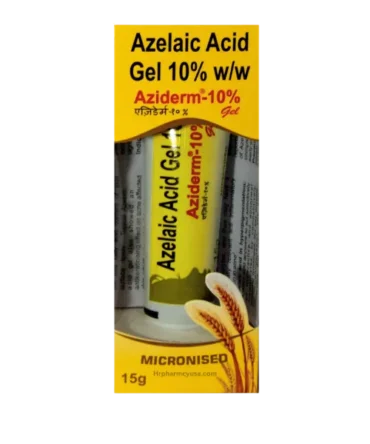
Aziderm Cream 10% (Azelaic Acid)
Price range: $28.00 through $78.00
Aziderm Cream 10% (Azelaic Acid) is a topical cream used to support acne-prone and redness-prone skin. It helps reduce bumps, calm visible irritation, and improve uneven tone from post-acne marks over time. Many people find it easier to tolerate than stronger exfoliating acids, such as glycolic or salicylic acid, which can cause more irritation and dryness in sensitive skin types. Apply a thin layer to clean, dry skin as directed.
| Active Ingredient: | Azelaic Acid |
|---|---|
| Indication: | Atopic dermatitis |
| Manufacturer: | Glenmark Pharmaceuticals Ltd. |
| Packaging: | 15 gm in 1 tube |
| Strength: | 15g |
| Delivery Time: | 6 To 15 days |
In Stock
Description About Aziderm Cream 10% (Azelaic Acid)
Aziderm Cream 10% (azelaic acid) is a practical option when you want one product that addresses multiple everyday skin concerns without making your routine complicated. Azelaic acid is well known in dermatology for helping with acne breakouts, clogged pores, and persistent redness, and it is also commonly used when uneven tone and post-acne marks are part of the problem.What Aziderm Cream 10% is used for
Azelaic acid works in a few different ways, which is why it shows up in treatment plans for the following:- Acne and acne bumps, especially when pores clog easily
- Blackheads and whiteheads (comedonal acne)
- Redness-prone skin, including cases where skin looks flushed or irritated often
- Post-acne marks and uneven tone, when dark spots linger after breakouts
- Rough texture, when skin feels bumpy and hard to smooth out
How azelaic acid works
Azelaic acid helps by:- Lowering irritation and swelling in the skin that can make pimples look angrier and last longer
- Reducing pore buildup, which helps cut down on clogged pores that turn into bumps
- Supporting a more even tone, since azelaic acid can reduce the look of discolouration from past blemishes
What to expect with results
Skin products like these tend to work gradually. Some people notice early improvements in how calm their skin feels within a couple of weeks, but changes in acne frequency, marks, and overall tone often take longer. If your skin is sensitive, starting slowly (when appropriate) can make it easier to stay consistent.How to Apply Aziderm Cream 10%
Use it exactly the way your prescriber or product directions recommend. In many routines, azelaic acid is applied as follows:- Cleanse and pat skin dry
- Apply a thin layer to the affected area.
- Wash hands after applying
- Keep it away from eyes, inside the nose, lips, and broken skin unless a clinician told you otherwise.
Side effects and tolerance
A mild tingling, slight burning, or dryness can happen, especially early on. Other possible effects include peeling, itching, or temporary redness. If you develop intense burning, swelling, blistering, or signs of an allergic reaction, stop use and seek medical advice.Tips that help people stick with it
- If dryness shows up, a simple moisturiser can make the routine easier to maintain.
- To see what helps and what irritates, start with a gentle routine.
- Sun exposure can make dark marks look worse, so protecting skin from the sun is often part of any plan for uneven tone.
Strengths and Forms
Azelaic acid is sold in more than one strength, and availability can depend on whether it is a prescription product or a cosmetic product:- 10% cream (this product)
- 15% formulations (often gels or foams in some brands)
- 20% cream formulations (commonly prescribed for acne and discolouration concerns)
Substitutes and similar products already on the market
If Aziderm Cream 10% (azelaic acid) is not the right fit, these are commonly used alternatives to azelaic acid (brand availability may vary):- Finacea (azelaic acid 15%, commonly gel or foam depending on version)
- Azelex (azelaic acid 20% cream)
- Generic azelaic acid 15% or 20% Aziderm 10% Gel (Azelaic Acid), Azelax Cream (Azelaic Acid)
- Cosmetic azelaic acid 10% products (often labelled as “brightening” or “texture” treatments rather than prescription acne therapy)
FAQs
1. Is Aziderm Cream 10% a prescription product or over-the-counter?
It depends on how it is regulated and sold. In many places, prescription azelaic acid is commonly 15% or 20%, while 10% can also appear in non-prescription skincare. If you are unsure, check the product listing details or ask a pharmacist.2. Can I use Aziderm Cream 10% during pregnancy or while breastfeeding?
This is a medical decision. Azelaic acid is often discussed as an option in pregnancy, but you should still confirm with your OB-GYN or dermatologist before starting.3. Can I combine Aziderm Cream 10% with benzoyl peroxide or topical antibiotics?
Occasionally it is paired with other acne treatments, but spacing and skin tolerance matter. A clinician can tell you whether to alternate applications or use them at different times of day.4. What should I do if I forget to apply it?
Apply the next dose when you remember unless it is close to your next scheduled application. Do not double up just to “catch up", since that can trigger irritation.5. Will Aziderm Cream 10% bleach my skin or stain clothing?
Azelaic acid is not a bleach in the way some acne ingredients can be. Staining is not commonly expected, but letting the cream absorb before dressing is still a smart habit.| size | 3 Tube/s, 6 Tube/s, 9 Tube/s |
|---|

Reviews
There are no reviews yet.