

Erectile dysfunction isn’t just “in his head”—hormones can be a major driver, and knowing which ones helps you push for the right labs and treatment.
When erections fade, couples often blame stress, age, or porn, while missed hormonal issues like low testosterone, high prolactin, thyroid disease, or cortisol overload worsen libido and cardiovascular risk.
In this guide, I’ll explain which hormone can cause erectile dysfunction, what symptoms to watch for, and how doctors evaluate and treat imbalances.
And if you’re also asking, “What are the long-term side effects of Mirena?”, we’ll connect the dots on hormones, mood, and sexual function.
Why erections are “blood flow + brain + biochemistry”
An erection happens when:
- Your brain gets turned on (desire, arousal, comfort, confidence)
- Your nerves send the signal
- Your blood vessels open up (nitric oxide helps this happen)
- Blood fills the spongy tissue in the penis and stays there long enough
Hormones influence all of those steps—especially desire, nitric oxide signaling, mood, energy, sleep, and vascular health.
Hormones function similarly to the body's "thermostat knobs."
Hormones aren’t usually on/off switches. They’re more like thermostat knobs. A small shift can be fine. A bigger shift—especially over months—can slowly drag erection quality down until you’re left wondering what changed.
Now let’s go hormone by hormone.
Testosterone: the headline hormone
Testosterone is the hormone most people associate with sex—and for good reason. It’s a major driver of libido and supports the biological pathways that make erections easier.
This section explains how low testosterone contributes to erectile dysfunction.
Low testosterone (often called “low T”) can contribute to ED in two main ways:
- Lower desire (you’re not as mentally/physically interested, so arousal is harder to kickstart)
- Weaker erection physiology (blood vessel signaling and tissue health can suffer)
Libido vs. erection quality: what testosterone really affects
Here’s a common confusion: testosterone is often more strongly tied to libido than to the mechanical ability to get hard.
So you might notice:
- Less interest in sex
- Fewer sexual thoughts
- Less “spontaneous” arousal
But testosterone also supports the erection “hardware,” especially over time. If testosterone stays low long enough, erection firmness can decline too.
Nitric oxide and blood vessel signaling
Nitric oxide is a key chemical that tells penile blood vessels to relax and open. Testosterone helps support this nitric oxide pathway. When testosterone is too low, the signal can get weaker—like trying to inflate a tire with a leaky pump.
Signs your testosterone might be low
Low testosterone often shows up as a cluster of symptoms, not just ED:
- Low libido
- Fatigue or low motivation
- Mood changes (irritability, low mood)
- Reduced morning erections
- Loss of muscle mass or strength
- Increased belly fat
- Poor sleep
Common causes of low testosterone
Low T can come from many directions:
- Aging (levels tend to decline gradually)
- Excess body fat (more conversion of testosterone to estrogen)
- Poor sleep (especially sleep apnea)
- Chronic stress
- Heavy alcohol use
- Certain medications (notably opioids)
- Testicular issues (primary hypogonadism)
- Pituitary/hypothalamus issues (secondary hypogonadism)
Prolactin acts as a "libido off switch" when its levels are too high.
Prolactin is best known for its role in breastfeeding, but men have it too. And when prolactin is too high, it can seriously mess with sexual function.
How high prolactin causes erectile dysfunction
High prolactin (hyperprolactinemia) can cause:
- Lower libido
- Difficulty achieving or maintaining erections
- Sometimes delayed orgasm or infertility issues
The prolactin–dopamine tug-of-war
Dopamine is strongly tied to motivation, reward, and sexual interest. Prolactin and dopamine have a push-pull relationship. When prolactin rises abnormally, dopamine signaling can feel muted—like your brain’s “drive” gets dimmed.
Prolactin’s effect on testosterone
High prolactin can suppress the hormones that stimulate testosterone production (via the pituitary), which can lower testosterone indirectly—a double hit.
What can raise prolactin?
Common triggers include:
- Pituitary tumors (prolactinomas)—often benign, but important
- Certain medications (some antipsychotics, anti-nausea meds, and others)
- Hypothyroidism (yes, thyroid issues can raise prolactin)
- Chest wall irritation (less common)
- Kidney disease (in some cases)
Symptoms that often travel with high prolactin
Besides ED, look for:
- Low libido
- Infertility
- Breast tenderness or enlargement
- In rare cases, nipple discharge
- Headaches or vision changes (possible pituitary involvement)
Thyroid hormones (TSH, T3, and T4): too fast or too slow can disrupt sex.
Your thyroid is like your body’s metabolic conductor. When it’s off tempo, many systems—including sexual function—can fall out of rhythm.
Hypothyroidism and erectile dysfunction
Low thyroid function can contribute to ED by
- Lowering energy and mood
- Increasing weight gain and cholesterol issues (vascular effects)
- Raising prolactin in some cases
- Reducing libido
It can feel like your body is moving through molasses—sex drive and performance included.
Hyperthyroidism and erectile dysfunction
Overactive thyroid can also contribute to ED, often through:
- Anxiety and restlessness
- Sleep problems
- Elevated heart rate and palpitations
- Muscle weakness
- Rapid weight changes
Why anxiety, heart rate, and sleep matter
If your nervous system is stuck in “wired” mode, erections can become inconsistent. It’s tough to get adequate blood flow to the right places when your body thinks it’s being chased.
Clues your thyroid may be involved
- Heat or cold intolerance
- Unexplained weight changes
- Hair thinning
- Changes in bowel habits
- Tremors (more hyperthyroid)
- Slowed thinking (more hypothyroid)
Cortisol: chronic stress’s hormonal “tax” on erections
Cortisol isn’t evil—it helps you wake up and handle challenges. However, when cortisol levels remain elevated due to constant life stressors, it often negatively impacts erections.
How high cortisol interferes with erections
Chronic stress can:
- Reduce libido
- Increase performance anxiety
- Disrupt sleep (which lowers testosterone)
- Constrict blood vessels and elevate blood pressure
- Promote belly fat (which can raise estrogen via aromatase)
Stress, adrenaline, and performance anxiety
Adrenaline is great for presentations, terrible for erections. If your body is in fight-or-flight, it prioritizes survival over reproduction. That’s not a character flaw—it’s biology.
Cortisol’s impact on testosterone and blood pressure
High stress often correlates with lower testosterone and worse vascular health. That combo can make ED more likely and more persistent.
Everyday causes of chronically high cortisol
- Poor sleep or shift work
- Overtraining without recovery
- Chronic work stress
- Relationship stress
- Financial anxiety
- Too much caffeine (for some people)
- Untreated anxiety or depression
Estrogen (estradiol): not just a “female hormone”
Men need estrogen too—just in the right range. When estrogen is too high or too low, sexual function can wobble.
How high estrogen can affect erections
High estradiol may:
- Lower libido
- Contribute to moodiness
- Interfere with the testosterone-to-estrogen balance
- Be linked with increased body fat and inflammation that harm vascular health
Body fat, aromatase, and testosterone conversion
Fat tissue contains an enzyme called aromatase, which converts testosterone into estradiol. More body fat can mean more conversion—so testosterone drops while estrogen rises. It’s like your body is “spending” testosterone in the wrong currency.
When estrogen may be too low
Estrogen that’s too low (sometimes from overuse of aromatase inhibitors or aggressive hormone manipulation) can contribute to:
- Lower libido
- Joint aches
- Mood issues
- Potential sexual dysfunction
Common reasons estrogen goes out of range in men
- Significant weight gain
- Heavy alcohol use
- Certain medications
- Hormone misuse (testosterone without proper monitoring, or unnecessary estrogen blockers)
Insulin and blood sugar hormones: the silent erection disruptors
If testosterone is the celebrity, insulin is the behind-the-scenes power broker. Insulin resistance and diabetes are among the most common medical drivers of ED—and they often overlap with hormone issues.
Insulin resistance, diabetes, and erectile dysfunction
Poor blood sugar control can damage the following:
- Blood vessels (less ability to dilate)
- Nerves (weaker signaling)
- Nitric oxide pathways (reduced erection response)
Nerves, blood vessels, and nitric oxide
An erection relies on clean wiring (nerves) and flexible plumbing (blood vessels). High blood sugar is like corrosive buildup in both systems over time.
Here are some warning signs that your erectile dysfunction (ED) may be related to metabolic issues.
- Belly weight gain
- Fatigue after meals
- High triglycerides
- High blood pressure
- Darkened skin patches (acanthosis nigricans)
- A1C or fasting glucose creeping up
LH and FSH: the “pituitary messengers” that drive testosterone and sperm
LH (luteinizing hormone) and FSH (follicle-stimulating hormone) come from the pituitary gland. They tell the testes what to do. If these signals are off, testosterone and fertility can be affected.
Primary vs. secondary hypogonadism (why it matters)
This distinction is a big deal diagnostically:
- Primary hypogonadism: testes aren’t responding well → testosterone is low, LH/FSH often high.
- Secondary hypogonadism: Pituitary/hypothalamus signaling is low → testosterone is low, and LH/FSH are often low or “inappropriately normal.”
Why should you care? Because treatment choices and next steps can differ a lot.
How do pituitary issues manifest in sexual function and other areas?
Pituitary problems may cause:
- ED and low libido
- Fertility issues
- Headaches
- Vision changes
- Unusual fatigue
- Other hormone changes (thyroid, cortisol axis)
DHEA and other androgens play a supporting role but have a significant influence.
DHEA is a hormone made mostly by the adrenal glands. DHEA serves as a precursor for androgens and estrogens.
This section explains what DHEA can and cannot do for improving erections.
For some people with low DHEA, correcting it may help energy or libido. But DHEA isn’t a guaranteed ED fix. ED is usually more “systems-level” than a single supplement can solve.
Supplement pitfalls
DHEA and “test boosters” can:
- Change hormone balance unpredictably
- Affect estrogen levels
- Interact with medications
- Mask the real cause (like diabetes, thyroid disease, or high prolactin)
If you’re going to test and treat hormones, doing it with labs and guidance beats guessing.
Hormone-related ED vs. non-hormonal ED: how to tell
Not all ED is hormonal. In fact, a lot of ED is primarily vascular, psychological, medication-related, or lifestyle-driven. But there are patterns that hint hormones are involved.
Patterns that suggest a hormonal cause
- There is a gradual decline in libido followed by a decrease in erection quality.
- Reduced morning erections over time
- Fatigue, low mood, loss of drive
- Weight gain (especially central)
- Infertility concerns
- Symptoms pointing to thyroid or prolactin issues
Morning erections: what they can reveal
Morning erections aren’t a perfect test, but they’re a useful clue. If they’re consistently gone (not just occasionally), that can suggest a physical/hormonal component.
Sudden vs. gradual changes
- Sudden ED (especially situational): more often anxiety, relationship factors, acute stress, or medication changes.
- Gradual ED: more often hormones, vascular changes, metabolic issues, or chronic illness.
Medications and substances that shift hormones and trigger ED
Even if your hormone levels were optimal last year, certain medications and substances can alter the situation.
Antidepressants, opioids, steroids, and more
- SSRIs/SNRIs: may reduce libido and sexual response (not always hormonal, but common)
- Opioids: can suppress testosterone strongly
- Anabolic steroids: can shut down natural testosterone production (and cause long-term issues)
- Some blood pressure meds may contribute to ED (varies by type)
- Finasteride/dutasteride: can affect sexual function in some men
Alcohol, cannabis, and nicotine
- Alcohol: short-term “relaxation,” long-term hormonal and vascular consequences; can reduce testosterone and worsen sleep
- Cannabis: mixed effects; in some people it worsens motivation/libido or anxiety
- Nicotine: tightens blood vessels—bad news for erections
What tests to ask for (and how to interpret them)
If you suspect hormonal erectile dysfunction, labs can save you months of guessing.
Core lab panel
Common starting points:
- Total testosterone
- Free testosterone (or calculated free T)
- SHBG (sex hormone-binding globulin)
- LH and FSH
- Prolactin
- TSH + free T4 (sometimes free T3)
- Estradiol (sensitive assay, often preferred)
- Fasting glucose and/or A1C
- Lipid panel
- CBC, CMP (general health markers)
Timing matters: morning testosterone
Testosterone is typically highest in the morning. Many clinicians prefer measuring it early (often before 10 a.m.). If a result is borderline, repeating it is common.
Total vs. free testosterone
- Total testosterone is the overall amount.
- Free testosterone is what your tissues can use.
If SHBG is high or low, total testosterone alone can be misleading.
Imaging or a specialist workup may be necessary in certain situations.
If prolactin is significantly elevated—or you have headaches/vision changes—your clinician may consider pituitary imaging. That’s not meant to scare you; it’s meant to find a fixable root cause.
Treatment involves correcting the hormone signal rather than merely alleviating the symptom.
Many people jump straight to ED pills. If hormones are the root cause, you'll do better by fixing both the signal and the plumbing.
Lifestyle changes that improve hormones and erections
These aren’t “tips.” They’re levers.
Sleep
Sleep is like your body’s hormone factory night shift. Poor sleep can lower testosterone and raise cortisol. If you snore loudly or feel unrefreshed, screening for sleep apnea can be a game-changer.
Resistance training
Strength training supports testosterone, insulin sensitivity, and blood flow. You don’t need a bodybuilding routine—consistent progressive training is the point.
Weight loss
If excess body fat is driving low testosterone and high estrogen, even modest fat loss can improve hormone balance and ED.
Nutrition
Aim for:
- Enough protein to support muscle
- High-fiber carbs for metabolic health
- Healthy fats (since hormones are built from lipids)
- Less ultra-processed food and excessive alcohol
Targeted medical treatments
Testosterone therapy: who it helps (and who should avoid it)
Testosterone therapy may help when:
- You have consistently low testosterone on labs.
- You have symptoms that match
- Reversible causes (sleep apnea, obesity, meds) are addressed alongside it.
It’s not ideal when:
- You want fertility in the near term (it can suppress sperm production).
- Certain prostate or blood count issues may exist, which require careful evaluation and monitoring.
Treating high prolactin
If prolactin is high, treatment depends on the cause:
- Adjusting medications (if a drug is responsible)
- Treating hypothyroidism if that’s driving it
- Dopamine agonist medications for prolactinomas (often very effective)
- Specialist follow-up when needed
Treating thyroid disorders
Treating hypothyroidism or hyperthyroidism often improves sexual function indirectly by restoring energy, mood, sleep, and metabolic balance.
Managing diabetes and insulin resistance
Improving blood sugar control can improve erections—sometimes dramatically—because it targets the root: blood vessel and nerve health.
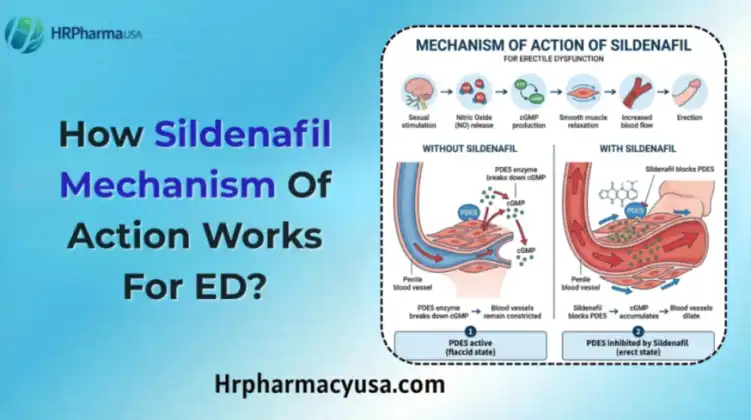
ED medications (PDE5 inhibitors) alongside hormone treatment
Meds like sildenafil or tadalafil can improve erection reliability while you address hormone or metabolic issues. For some men with low testosterone, PDE5 inhibitors work better once testosterone is corrected.
When to see a doctor urgently
Most ED is not an emergency, but some situations deserve immediate attention:
- ED plus chest pain or shortness of breath with exertion (possible cardiovascular risk)
- ED with severe headaches or vision changes (possible pituitary concern if prolactin is high)
- Sudden ED after a new medication (needs review)
- ED with loss of body hair, breast changes, or testicular shrinkage (hormone evaluation)
Conclusion
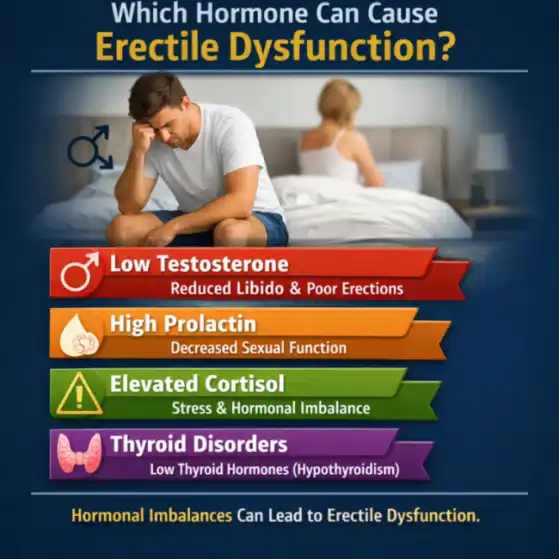
Therefore, which hormone can cause erectile dysfunction? Low testosterone is the most common hormonal culprit, but it’s not alone. High prolactin, thyroid imbalance, chronic stress/cortisol overload, estrogen imbalance, and insulin resistance can all interfere with erections—sometimes subtly, sometimes dramatically. The good news is that hormone-related ED is often measurable and treatable. Once you identify the real driver (instead of guessing), you can stop chasing quick fixes and start pulling the right levers.
FAQs
Can low testosterone cause ED even if I still have some sex drive?
Yes. Some men keep decent libido but notice weaker firmness or less reliable erections. Testosterone affects more than desire—it also supports nitric oxide signaling and tissue health.
What hormone is most linked to low libido and ED together?
Low testosterone and high prolactin are the two big ones for the combination of low libido plus erection problems. Thyroid issues can also do it.
Can thyroid problems really cause erectile dysfunction?
They can. Both hypothyroidism and hyperthyroidism can disrupt erections through energy, mood, sleep, metabolism, and sometimes prolactin changes.
Will testosterone replacement resolve erectile dysfunction by itself?
Sometimes, but not always. If ED is mainly vascular (blood flow) or metabolic (diabetes/insulin resistance), testosterone alone may not solve it. Many men do best with a combined approach.
What’s the single most useful first test for hormone-related ED?
A morning total testosterone test is a common starting point—but ideally it’s part of a small panel (testosterone + prolactin + thyroid + metabolic markers) so you don’t miss a second driver.